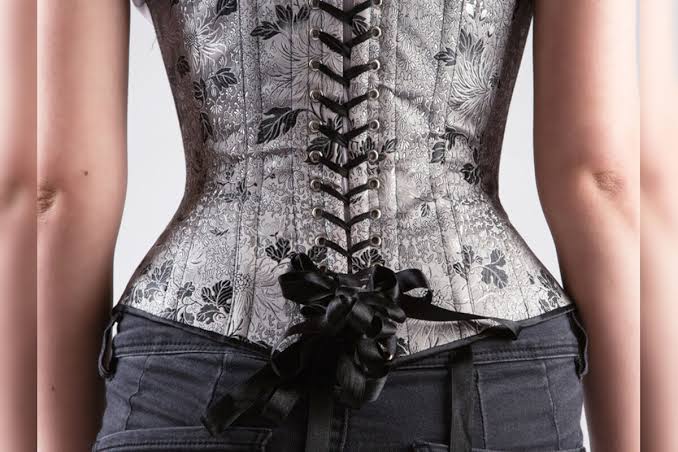
The relaxed corset has transformed into one of Indian fashion’s most versatile essentials, seamlessly blending structure with comfort. By incorporating breathable fabrics, elastic panels, and traditional handlooms, designers have made the garment a popular choice for pairing with both ethnic sarees and modern fusion wear.
NEW DELHI — In a striking shift within the country's textile and apparel sector, the relaxed corset has rapidly emerged as one of Indian fashion’s most versatile wardrobe essentials, bridging traditional craftsmanship with contemporary streetwear.
Over recent seasons, prominent couturiers and ready-to-wear labels showcased at premier industry events—such as Lakme Fashion Week and FDCI Design Council showcases—have reimagined the historically rigid silhouette. By incorporating breathable cottons, handloom textiles, stretch panels, and softer boning, designers have transformed the structured garment from restrictive historical shapewear into an adaptive, everyday layering piece worn with sarees, lehengas, and tailored trousers.
Evolving Silhouettes and Fusion Styling
The mainstream adoption of the relaxed corset reflects a broader consumer preference for garments that offer structured elegance without sacrificing physical comfort. Rather than rigid lacing, modern adaptations feature elasticized smocking, side zips, and adjustable hooks tailored for diverse body types.
According to retail market analyses and designer collection notes:
Textile Integration: Designers are utilizing traditional Indian fabrics—including Chanderi, Kanjeevaram silks, block-printed cottons, and intricate zardozi embroidery—to fuse Western structural forms with indigenous handicraft.
Versatile Layering: Consumers increasingly style structured bodices over crisp white shirts, beneath oversized blazers, or as a modern blouse alternative paired with traditional drapes.
Retail Growth: High-street and luxury fashion houses report rising demand for modular separates that transition seamlessly from festive celebrations to formal professional settings.
Official Sources Section
Fashion Design Council of India (FDCI) Official Portal: Industry trend reports, designer showcases, and runway garment analyses.
Lakme Fashion Week Official Archives: Seasonal collections, textile innovation roundtables, and retail market growth data.
Quote Section
According to statements released by leading fashion designers and textile industry curators monitoring contemporary apparel shifts:
"The reinvention of the relaxed corset demonstrates how modern Indian fashion successfully adapts global silhouettes by infusing indigenous handlooms and comfort-focused engineering."
Why It Matters
For consumers and apparel manufacturers alike, the rise of the relaxed corset highlights a major shift toward multifunctional wardrobes and sustainable styling. By offering a garment that pairs effortlessly with both ethnic wear and western ensembles, the trend maximizes clothing utility, supporting the broader industry movement toward versatile, high-retention consumer purchases.
Key Facts at a Glance
Garment Evolution: Transition from rigid historical shapewear to a flexible, comfort-driven layering staple.
Key Styling Uses: Paired with sarees, lehengas, denim, blazers, and oversized shirts.
Fabric Innovation: Incorporation of handlooms, stretchy panels, and soft boning to ensure all-day wearability.
Industry Driver: Strong consumer demand for versatile fusion wear across festive and everyday markets.
FAQ Section
What is a relaxed corset in modern Indian fashion?
It is a modernized, softer version of the traditional structured bodice, engineered with flexible boning, stretch panels, and breathable fabrics for everyday comfort.
How is the relaxed corset typically styled today?
It is widely worn as a blouse alternative with sarees and lehengas, or layered over shirts and paired with trousers for fusion and casual looks.
Which traditional textiles are being used for these garments?
Designers frequently incorporate Indian handlooms such as Chanderi silk, block-printed cottons, brocades, and traditional embroideries.
Why has the silhouette become so popular among consumers?
It offers the polished, structured look of traditional corsetry while prioritizing comfort, adaptability, and versatility across diverse outfits.
Source: Fashion Design Council of India, Lakme Fashion Week, Vogue India