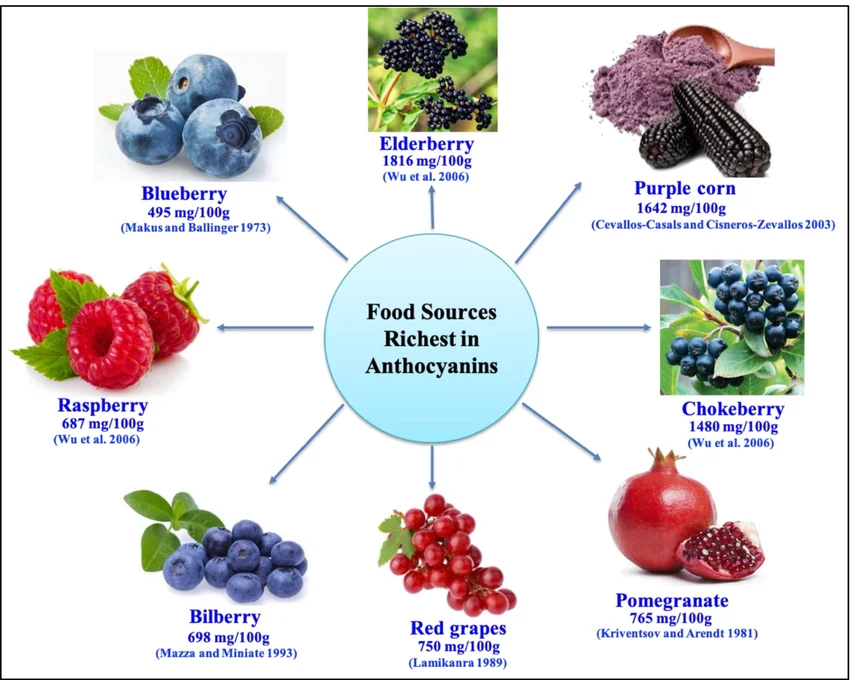
Recent clinical research highlights the significant health benefits of anthocyanin-rich foods, including powerful antioxidant and anti-inflammatory properties that help prevent chronic illnesses. Consuming vibrant purple, blue, and red produce supports cardiovascular health, improves metabolic function, and protects against age-related cognitive decline.
WASHINGTON — Recent clinical investigations and nutritional research released by international health authorities continue to underscore the profound physiological benefits of anthocyanins—the water-soluble flavonoid pigments responsible for the vibrant red, purple, and blue hues in fruits and vegetables.
The latest peer-reviewed findings, highlighted in major scientific journals, focus on how regular dietary intake of anthocyanin-rich produce can counteract oxidative stress, regulate inflammatory pathways, and support long-term cardiometabolic wellness. As public health officials globally emphasize preventative nutritional strategies against non-communicable diseases (NCDs), these natural compounds are drawing intense interest from researchers, clinicians, and consumers alike.
Cellular Mechanisms and Combating Age-Related Decline
Anthocyanins function primarily as potent antioxidants that scavenge free radicals, which otherwise accumulate to cause cellular damage and systemic inflammation. Recent experimental trials—including evaluations from large-scale geriatric and metabolic health studies—demonstrate that these flavonoids interact beneficially with key molecular signaling pathways, such as Nrf2 and NF-$\kappa$B, to suppress chronic inflammatory cytokines.
According to clinical research summaries and nutritional science reports:
Cardiovascular Support: Regular consumption of anthocyanin-dense foods correlates with improvements in endothelial function, reductions in LDL cholesterol, and better blood pressure regulation.
Metabolic and Glycemic Control: Clinical trials indicate that anthocyanins assist in improving insulin sensitivity and glucose tolerance, lowering the risk profile for type 2 diabetes.
Cognitive Preservation: Emerging data from trials targeting mild cognitive impairment suggest that sustained dietary inclusion of these flavonoids helps mitigate age-related neurodegeneration and systemic inflammation.
Official Sources Section
Quote Section
According to statements released by clinical nutritionists and medical researchers monitoring metabolic health trials:
"The accumulating clinical evidence confirms that incorporating anthocyanin-rich plant foods into daily diets provides a safe, accessible, and scientifically validated dietary defense against chronic inflammation and age-related physiological decline."
Why It Matters
For everyday consumers, patients, and healthcare providers, these insights validate the practical importance of incorporating colorful, whole plant foods into daily meals. By understanding that dietary choices directly modulate cellular inflammation and metabolic health, individuals can proactively reduce their long-term risk of developing cardiovascular complications, metabolic syndrome, and other age-associated conditions.
Key Facts at a Glance
Primary Sources: Blackcurrants, blueberries, blackberries, red cabbage, purple sweet potatoes, and dark cherries.
Core Biological Activity: Potent antioxidant and anti-inflammatory properties targeting cellular oxidative stress.
Key Health Targets: Cardiovascular wellness, glycemic regulation, and neurocognitive preservation.
Mechanism: Inhibition of NF-$\kappa$B inflammatory pathways and modulation of redox homeostasis.
FAQ Section
What are anthocyanins?
Anthocyanins are natural, water-soluble flavonoid pigments that give many fruits and vegetables their distinctive red, purple, and blue colors while acting as powerful antioxidants.
Which foods contain the highest levels of anthocyanins?
Foods highest in these compounds include dark berries (such as blackcurrants, blueberries, and blackberries), red cabbage, black elderberries, and purple sweet potatoes.
How do anthocyanins protect against chronic disease?
They combat oxidative stress by neutralizing free radicals and suppressing inflammatory signaling pathways that contribute to heart disease, diabetes, and cognitive decline.
Can supplements replace anthocyanin-rich foods?
While extracts and supplements are available and studied in clinical trials, nutritionists recommend consuming a diverse range of whole fruits and vegetables to maximize overall nutrient synergy and bioavailability.
Source: National Institutes of Health, World Health Organization, MDPI Nutrients Journal