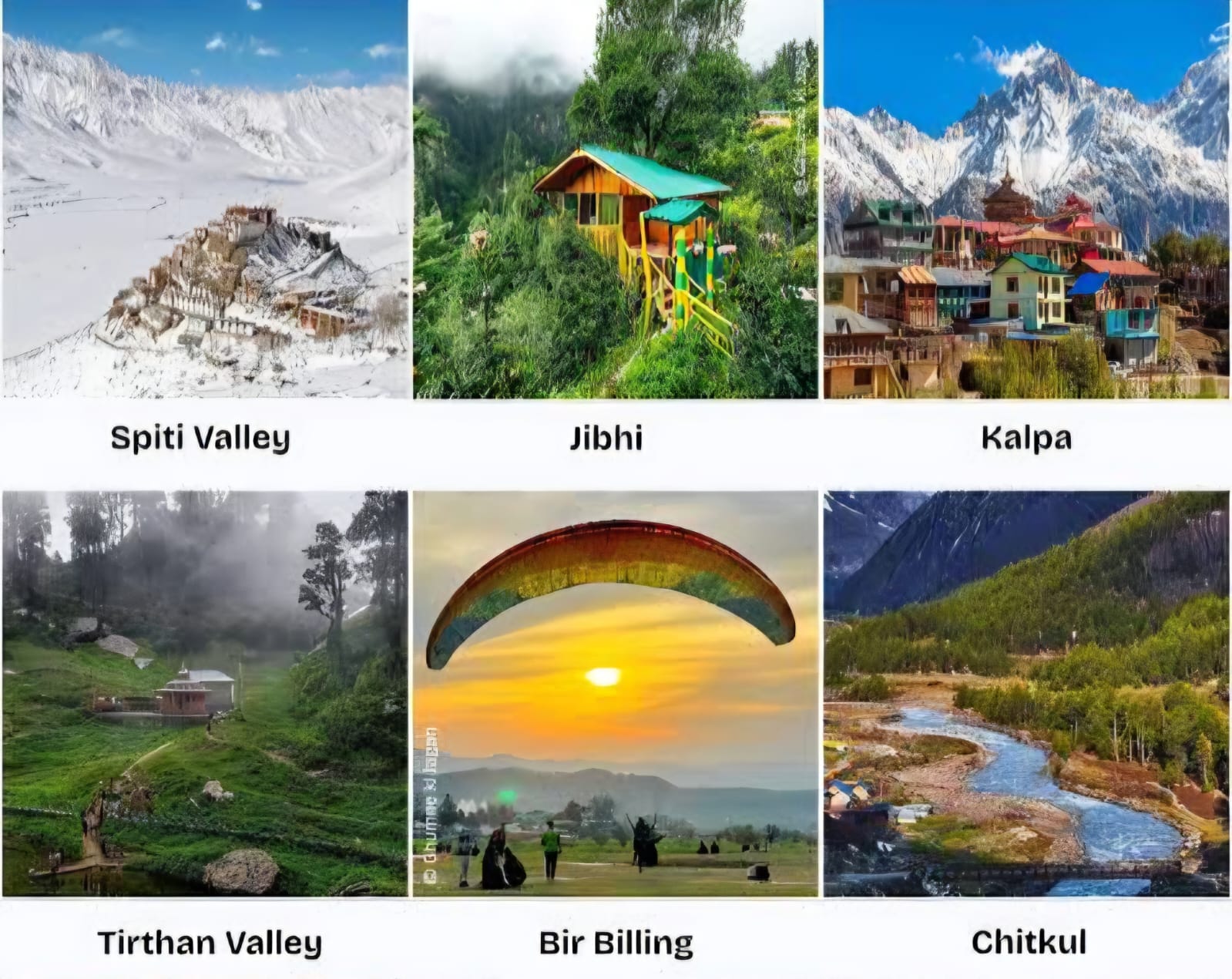
Driven by a desire to avoid severe summer overcrowding in Shimla and Manali, Indian travelers are leveraging ChatGPT to discover tranquil alternatives for June. Hidden gems like Kalpa, Tirthan Valley, and Barot Valley have emerged as top AI-recommended destinations, offering cool alpine weather, sustainable homestays, and crowd-free relaxation.
NEW DELHI, India — As peak summer temperatures soar across the Indian plains, thousands of holidaymakers are turning to generative Artificial Intelligence to revolutionize their travel itineraries. Driven by a desire to escape the crippling traffic snarls and commercial overcrowding typical of mainstream hill stations, tourists are using OpenAI's ChatGPT to discover alternative, pristine destinations for their June vacations.
The seasonal influx of domestic travelers into Himachal Pradesh historically triggers severe gridlock along major highway corridors, overtaxing local infrastructure in hubs like Shimla and Manali. This year, real-time data from search platforms and hospitality networks confirms an unprecedented surge in interest toward hidden, high-altitude hamlets. By leveraging AI algorithms, consumers are successfully identifying quiet forest hideaways and remote river valleys where nature remains untouched by mass commercialization.
The AI Shift: Moving Beyond Overcrowded Hotspots
For decades, the summer travel blueprint for North India has heavily favored a predictable circuit. However, an analysis of user-generated queries submitted to conversational AI models this June reveals a calculated rejection of traditional hotspots. When prompted to find cool, uncrowded alternatives within the Himalayas, ChatGPT consistently highlights locations that prioritize environmental preservation and community-based hospitality.
| Mainstream Destination (Avoided) | AI-Recommended Alternative | Primary Appeal / Landscape |
| Shimla | Kalpa (Kinnaur) | Majestic views of Kinner Kailash, apple orchards, slow travel |
| Manali | Tirthan Valley / Jibhi | Riverside eco-tourism, pine forests, proximity to GHNP |
| Mussoorie / Nainital | Barot Valley / Shangarh | Untracked alpine meadows, trout fishing, ancient wooden culture |
The shift is actively reshaping local tourism economies. Rather than booking large commercial resorts, digital-savvy travelers are routing their investments directly into eco-certified homestays and regional guided treks, effectively spreading the economic benefits of summer tourism to previously neglected rural clusters.
Exploring the AI-Selected Hidden Gems
The specific destinations recommended by the AI platform share distinct geographical traits: high-altitude isolation, lower ambient temperatures ranging between 10°C and 22°C, and minimal vehicular pollution.
Kalpa: The High-Altitude Sanctuary
Situated in the Kinnaur district, Kalpa has emerged as a premium alternative to Manali for panoramic mountain photography. Positioned directly opposite the snow-clad Kinner Kailash range, the village offers travelers a slow-paced environment dominated by traditional wooden architecture and sprawling cedar forests, entirely devoid of the bustling mall roads that characterize older hill stations.
Tirthan Valley and Jibhi: The Eco-Tourism Corridors
Located in the Kullu district, Tirthan Valley serves as a gateway to the UNESCO World Heritage-listed Great Himalayan National Park (GHNP). The region emphasizes sustainable travel, offering outdoor pursuits such as regulated trout fishing, bird watching, and low-impact nature trails. Neighboring Jibhi attracts remote professionals and writers seeking digital detoxes amid dense pine-covered slopes and hidden waterfalls.
Barot Valley: The Unplugged River Retreat
Tucked away in the Mandi district along the banks of the Uhl River, Barot Valley remains largely ignored by conventional tour operators. The valley features wide-open alpine meadows and deep terraced fields, making it ideal for self-driven road-trippers and families looking to experience authentic mountain culture without the noise of urban crowds.
Official Sources Section
According to official tourism reports published by the Himachal Pradesh Tourism Development Corporation (HPTDC), the state is actively promoting sustainable travel circuits to decentralize tourist density from district capitals. Regulatory guidelines issued by the Ministry of Tourism emphasize the expansion of home-based hospitality units under state eco-tourism initiatives, aligning directly with the destinations highlighted by automated search models.
Quote Section
A senior official from the state tourism department commented on the shifting trend:
"According to officials, the integration of technology in holiday planning is helping distribute the seasonal tourist load across lesser-known valley circuits, which is critical for preserving the fragile ecology of our mountain ecosystems."
Travel agency organizers stated that:
"We have seen a 35% increase in custom booking requests for places like Tirthan Valley and Kalpa this June. Consumers are explicitly stating that they used AI tools to filter out locations prone to heavy holiday traffic and commercial congestion."
Why It Matters
The practical implications of AI-driven travel planning extend far beyond simple convenience. For travelers, it ensures a genuinely relaxing vacation away from urban stress, long commutes, and inflated peak-season hotel rates. For local businesses and rural communities, it injects vital revenue into agrarian zones, fostering a more equitable and environmentally responsible tourism model that safeguards local heritage.
Key Facts at a Glance
Crowd Mitigation: AI tools are successfully diverting summer vacationers away from overcrowded cities like Shimla and Manali.
Top Recommendations: Key destinations making the selection include Kalpa, Tirthan Valley, Jibhi, and Barot Valley.
Climate Advantage: These offbeat spots maintain highly pleasant June temperatures, generally fluctuating between 10°C and 22°C.
Economic Rebalancing: The technological shift is redirecting consumer spending from massive hospitality conglomerates toward rural homestays and local guides.
FAQ Section
Why are tourists using ChatGPT to plan their June summer holidays?
Tourists are utilizing AI to bypass highly commercialized, overcrowded hill stations that experience extreme traffic congestion and inflated prices during peak summer months, allowing them to find peaceful, untouched alternatives.
What are the main alternatives recommended in Himachal Pradesh?
The top-recommended hidden gems include Kalpa in Kinnaur for mountain views, Tirthan Valley and Jibhi for riverside eco-tourism, and Barot Valley for secluded nature retreats.
Are these hidden destinations suitable for family vacations?
Yes. These locations offer peaceful homestays, light nature trails, clear rivers, and safe environments that are ideal for families seeking a slow-paced, relaxing holiday rather than commercial amusement parks or shopping markets.
What is the best way to travel to these offbeat locations responsibly?
Travelers are encouraged to book local homestays, minimize plastic waste, respect regional village customs, and ensure their vehicles are well-equipped for narrower, high-altitude mountain roads.
Source: Himachal Pradesh Tourism Development Corporation (HPTDC) Official Portal, Ministry of Tourism Eco-Circuit Frameworks, National Hospitality Analytical Data (June 2026)