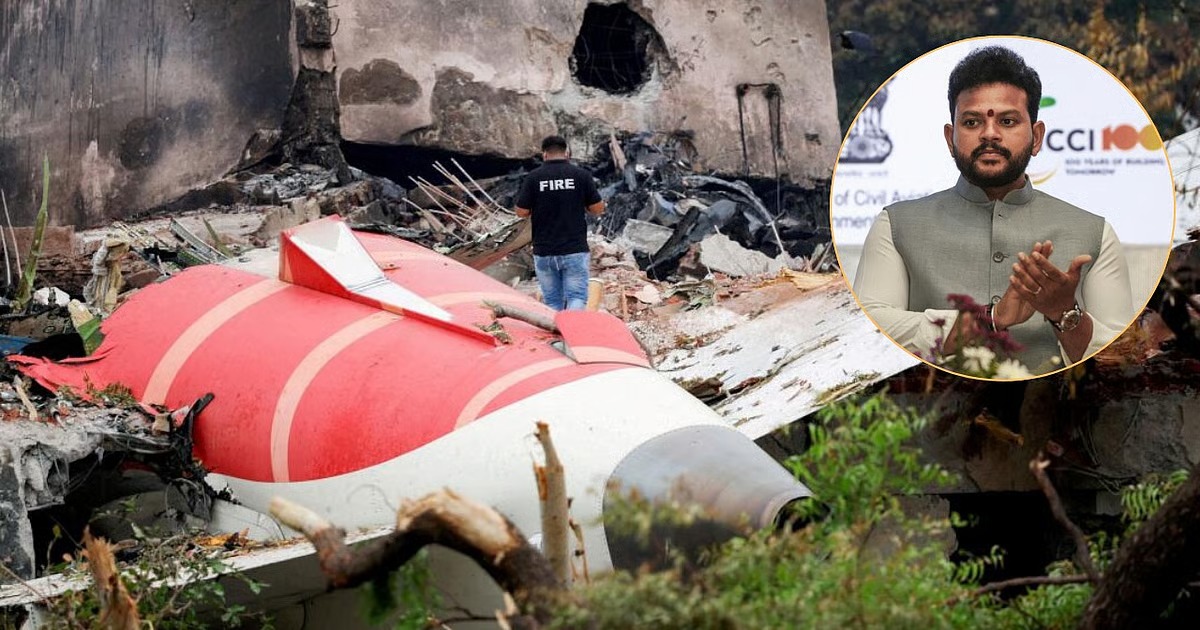
The Aircraft Accident Investigation Bureau informed the Supreme Court that the draft final report for the Air India Flight AI-171 crash probe will be ready by October 2026. The agency noted that media speculation blaming the pilots hampered witness cooperation, and confirmed interviews include Boeing 787 pilots who previously flew with the crew.
NEW DELHI — The Aircraft Accident Investigation Bureau (AAIB) announced in a Supreme Court affidavit that the comprehensive Air India crash probe final report will be finalized by October 2026 to systematically outline the operational failures behind the tragic June 2025 Ahmedabad disaster. The submission is critical today as the safety regulatory body warned that intense media speculation erroneously attributing immediate blame to the deceased cockpit crew has caused critical witnesses to become restrictive and non-responsive. By providing a formal timeline to the apex court, the investigation aims to counter public misinformation while reaffirming India's adherence to international aviation treaty standards.
Broad Scope of Witness and Pilot Interviews
The ongoing Air India crash probe has executed extensive technical reviews, expanding its deposition scope to compile an objective, evidence-based sequence of the final moments of Flight AI-171. The investigation committee disclosed that current interviews include Boeing 787 pilots and flight crew members who had previously flown with the accident's commanders, Captain Sumeet Sabharwal and Captain Clive Kunder. These interviews aim to clarify operational routines, cockpit behaviors, and system familiarity to isolate human factors from potential mechanical anomalies.
Furthermore, technical analysts are examining specific fleet data relating to the Boeing 787 Dreamliner's automated systems. Recent evidence brought forward by the Federation of Indian Pilots (FIP) suggested that automated systems, including the Ram Air Turbine (RAT) deployment, might have interacted unexpectedly with the aircraft's fuel cutoff switches. Investigators are examining whether systemic electrical faults, rather than pilot interference, initiated the dual engine shutdown immediately following liftoff from高度 Sardar Vallabhbhai Patel International Airport.
Media Speculation Impedes Technical Progress
A primary challenge highlighted by the state safety agency involves the unverified public narratives surrounding the accident. The AAIB noted that speculative reports immediately following the disaster created a defensive environment among industry professionals. This public pressure caused certain key witnesses and engineering personnel to grow highly restrictive during initial depositions, directly slowing down data gathering.
The agency emphasized that the primary purpose of an aviation safety investigation is to determine exactly "what happened, how it happened, and why it happened" to improve global civil aviation security. Under the rules of the Chicago Convention and the International Civil Aviation Organization (ICAO) Annex 13, the investigation is legally structured to enhance safety protocols rather than determine criminal liability or assign civil fault.
Long-Term Market Impact and Safety Revisions
The final determinations of this Air India crash probe will heavily impact commercial travelers, international investors, and global airline operators. The tragic accident resulted in 260 total fatalities, including passengers, crew, and individuals inside the BJ Medical College hostel complex on the ground. If the final report uncovers systemic software or mechanical anomalies within the Boeing 787 platform, it may force regulatory modifications across the global Dreamliner fleet. For retail travelers and flight consumers, the final resolution of this inquiry remains vital to restoring full operational confidence in regional long-haul international flights.
Official Sources Section
The timelines, legal arguments, and structural details concerning the investigation were officially submitted to the judiciary via a dynamic legal affidavit. All operational details, witness parameters, and updates match declarations from the Ministry of Civil Aviation and formal records published by the Supreme Court of India.
Quote Section
Reviewing the dynamic requirements of the ongoing evaluation, the air accident body stated its core objective:
"According to officials from the federal bureau, the final Air India crash probe report will establish what happened, how it happened, and why it happened, ensuring that all findings remain supported by verified technical evidence rather than public assumption."
Why It Matters
The practical implications of the AAIB's legal filing are extensive. By strictly maintaining confidentiality over witness statements, black box recordings, and engineering logs, the bureau ensures the integrity of future international aviation safety inquiries. It sends a clear signal to global aviation bodies that India will protect the technical safety process from outside legal or media interference, ensuring that data-driven findings lead the way.
Key Facts at a Glance
Report Timeline: The draft final report for the Flight AI-171 Air India crash probe is expected to be completed in October 2026.
Witness Interference: Premature media speculation blaming the pilots caused vital industry witnesses to become non-responsive during initial interviews.
Deposition Breadth: Investigators have interviewed multiple Boeing 787 pilots and crew members who previously operated flights with the deceased commanders.
International Governance: The investigation strictly follows the international rules of the Chicago Convention and ICAO Annex 13 protocols.
FAQ Section
Why is the final report for the Air India crash probe taking until October 2026?
The investigation is a highly complex process involving the State of Registry, State of Operator, State of Design, and State of Manufacture under ICAO rules. The analysis phase requires extensive testing of specialized engine components and flight telemetry before the draft final report can be finalized.
How did media reports affect the progress of the investigation?
According to the official AAIB affidavit, widespread public speculation that attributed blame to the pilots created a defensive environment. This led several key industry witnesses to become guarded and restrictive during official interviews.
What is the primary purpose of the AAIB crash inquiry?
Under international aviation law, the sole purpose of the inquiry is to enhance civil aviation safety and prevent future accidents, not to assign criminal liability or civil blame.
Source: Official legal affidavits and progress summaries presented to the Supreme Court of India and press updates distributed by the Ministry of Civil Aviation.