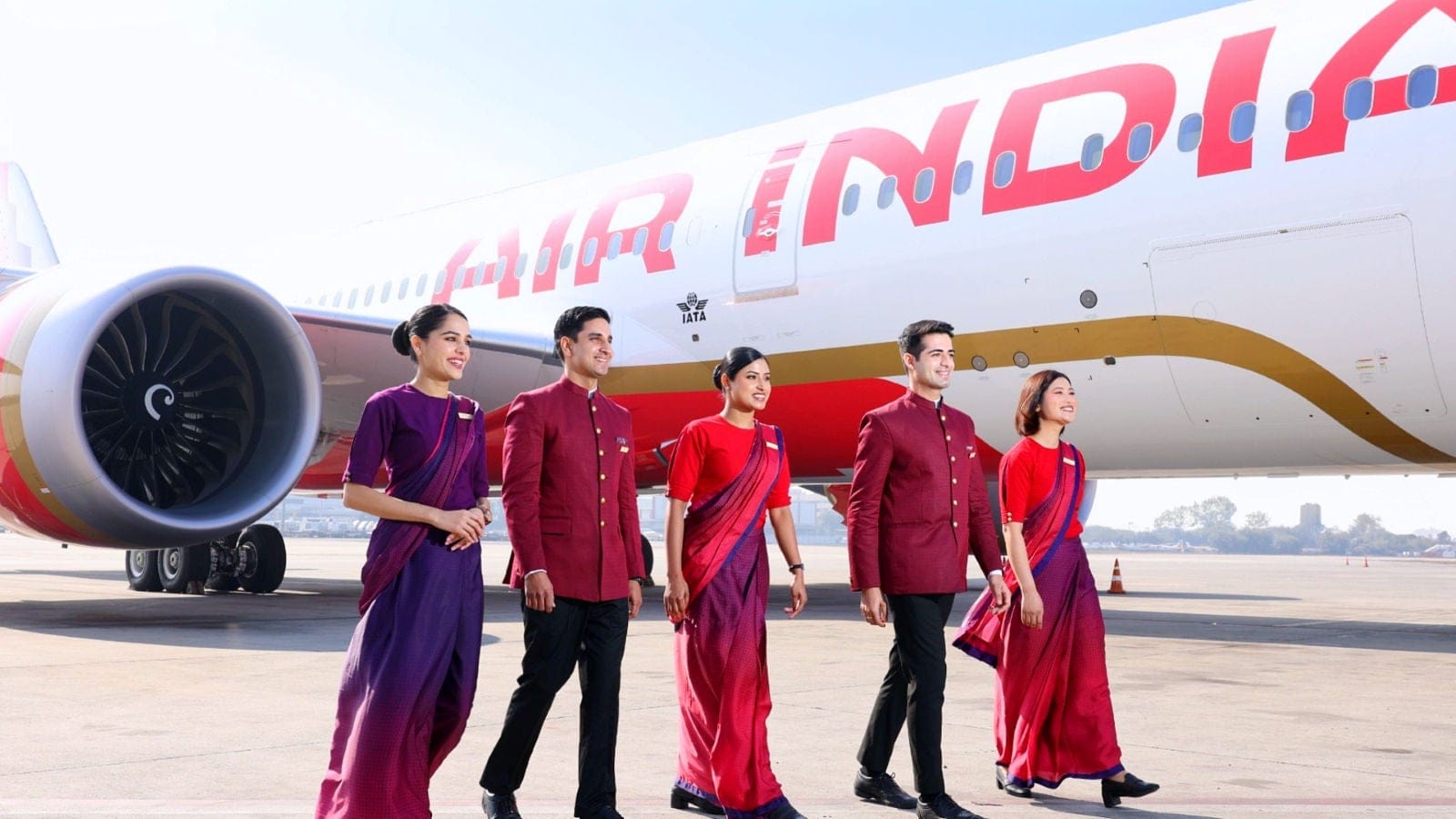
The Air India Group plans to add 50 to 60 new aircraft over the next 18 months. Led by Chief Commercial Officer Nipun Aggarwal, the carrier is actively tackling supply chain issues and volatile oil prices, pushing forward its five-year transformation plan to modernize fleets across domestic and global routes.
ABU DHABI — Air India Group expects to take delivery of 50 to 60 new aircraft over the next 18 months. The aggressive fleet addition indicates that the airline's multi-year corporate transformation program remains firmly on schedule despite significant industrial headwinds.
The fleet strategy arrives at an essential juncture for the Indian commercial aviation industry. Global operators continue to navigate an unprecedented series of black swan events, ranging from persistent manufacturing supply chain constraints to localized airspace closures and global fuel price spikes.
By securing a structured delivery pipeline through the end of next year, the group aims to aggressively restore international flight capacities, modernise long-haul cabin products, and capture premium traffic across key global transit corridors.
Fleet Induction Metrics and Strategic Global Scaling
The Air India Group, which was formally privatized and acquired by the Tata Group in January 2022, is expanding its network footprint. The group—which encompasses full-service carrier Air India and low-cost subsidiary Air India Express—currently commands a consolidated operating fleet exceeding 290 operational aircraft.
The upcoming deliveries represent the initial tranches of a broader, historic capital investment comprising nearly 600 total aircraft orders. Under the established logistics roadmap, the group will induct 50 to 60 units annually over the next seven to eight years.
The delivery composition balances narrow-body and wide-body models. The airline will onboard 45 to 50 narrow-body planes alongside 10 to 15 long-range wide-body models each year.
Furthermore, Air India is set to act as an early customer for the highly anticipated Boeing 737 MAX 10 variant, which is moving through final regulatory safety certification phases.
Fleet Harmonisation and Retrofit Programs Mitigate Spoilage
To align its aesthetic identity following its corporate mergers, the group is pursuing extensive internal retrofits to rectify discrepancies in its legacy hardware. The airline has faced severe headwinds over the past year, including an elevated financial burden to sustain older cabins.
Narrow-Body Clean Up: Air India Express expects to complete the full product and brand harmonisation of its narrow-body fleet by March 2027.
Dreamliner Upgrades: The complete interior cabin retrofit of the main carrier's existing Boeing 787 Dreamliner fleet is scheduled to conclude by the middle of next year.
Long-Haul Restructuring: Upgrades to the older Boeing 777 platforms will take slightly longer due to complex component lead times.
Network Restoration: The airline has successfully restored roughly 90% of its key West Asia flight networks, which were disrupted by regional conflicts earlier in the season.
Financial Volatility and Airline Yield Pressures
The aviation expansion unfolds within a highly dynamic macroeconomic landscape. While international premium passenger yields remain elevated both in domestic hubs and foreign markets, global jet fuel prices have escalated significantly over recent quarters.
Because the Indian consumer sector remains highly price-sensitive, commercial airlines have been unable to fully pass on these heightened operating costs directly to ticket-buyers.
Company financial analysts anticipate that as additional seat supply returns to the market through these massive deliveries, international ticket prices will gradually soften. This shifts the airline’s focus toward operational efficiency and localized Maintenance, Repair, and Overhaul (MRO) self-sufficiency.
Official Sources Section
Operational timelines, aircraft order books, and strategic statements were officially detailed during an aviation panel presentation in Abu Dhabi. Data regarding corporate structure and delivery tracks were validated through official filings registered with the Air India Corporate Communications Office and commercial aviation delivery logs compiled by Boeing Commercial Airplanes and Airbus Industrie.
Quote Section
Detailing the complex operational environment during the Abu Dhabi aviation forum, Nipun Aggarwal, Chief Commercial Officer of Air India and Chairman of Air India Express, stated:
"I think this industry itself has gone through several challenges. And we have been hit by multiple black swan events, which I don't think anybody could have forecasted when we started this transformation journey. The supply chain issues, the airspace issues, the oil price volatility, and the geopolitical issues."
Aggarwal added:
"We have been through that period where we have to sustain the older aircraft, older cabins. That has been a very painful period for us but now that is behind us. The fleet modernisation and upgradation is picking up pace now."
Why It Matters
For regular travelers, the arrival of 60 new aircraft guarantees improved reliability, less flight disruption, and access to modern cabin interiors. For investors and market analysts, the aggressive expansion shows the Tata Group's long-term commitment to capturing international travel revenue. Furthermore, localizing MRO facilities lowers foreign component dependency, protecting the airline against unforeseen global supply chains issues.
Key Facts at a Glance
Delivery Scope: 50 to 60 brand-new aircraft will enter active commercial service over the next 18 months.
Long-Term Pace: The group plans to induct 50 to 60 planes annually for the next seven to eight years.
Narrow-Body Fleet Target: Complete branding and cabin integration will wrap up by March 2027.
Advanced Model Integration: Air India will be among the launch operators for the upcoming Boeing 737 MAX 10 model.
FAQ Section
Q1: Which airlines are included under the Air India Group aircraft delivery plan?
A1: The fleet expansion spans both full-service carrier Air India and its low-cost subsidiary, Air India Express, coordinating narrow and wide-body models.
Q2: How are global supply chain issues affecting the airline's schedule?
A2: While external industrial delays have pushed back specific aircraft retrofits and factory handovers, the overarching 18-month delivery target remains securely on track.
Q3: When will the existing older wide-body aircraft receive cabin upgrades?
A3: The interior retrofits for the Boeing 787 Dreamliner fleet will be complete by mid-2027, followed by a phased update of the larger Boeing 777 fleet.
Source: Air India Express Press Bureau, Boeing Commercial Deliveries Index, Airbus Press Room Statement Archive