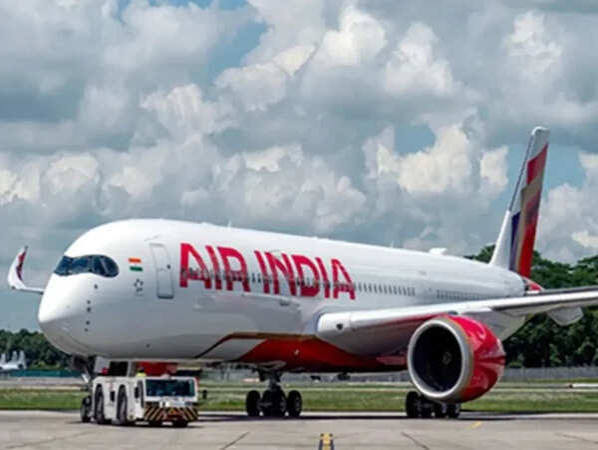
Air India has launched a mandatory, one-time psychoactive substance screening for all group pilots following an investigation into the Phuket-Delhi flight safety incident. The enhanced testing protocol exceeds standard DGCA requirements as the aviation ministry intensifies oversight across commercial airline operations in India.
NEW DELHI — Air India has initiated a mandatory, one-time drug and psychoactive substance testing programme for all 5,000-odd pilots across the airline and its subsidiary Air India Express, surpassing standard regulatory baselines following an alarming flight scare involving a Phuket-to-Delhi service.
The enhanced internal testing protocols come in the wake of an August 4, 2026 incident where Air India flight AI2379—an Airbus A320 carrying 137 passengers and 8 crew members—experienced a sudden 300-foot altitude loss and severe turbulence over Odisha, resulting in injuries to 20 passengers and four cabin crew members. Subsequent post-flight screenings of the pilot-in-command returned positive results for prohibited substances, prompting heightened regulatory intervention from the Ministry of Civil Aviation and the Directorate General of Civil Aviation (DGCA).
Enhanced Safety Protocols and Regulatory Scrutiny
Under existing DGCA regulations, commercial airlines are required to conduct random psychoactive substance screenings on at least 10% of their flight crew and air traffic controllers annually, alongside post-incident testing. However, the latest developments have triggered a comprehensive re-evaluation of aviation safety oversight nationwide.
According to official airline announcements, regulatory disclosures, and ministry briefings:
Mandatory Group-Wide Screening: Air India launched a mandatory one-time screening of all group pilots on August 13, 2026, targeting substances and medications unauthorized under aviation safety rules.
Preventive Off-Rostering: Pilots whose initial screening results are designated as non-negative are immediately removed from safety-sensitive flight duties pending final laboratory confirmation.
Regulatory Review: The Ministry of Civil Aviation has directed the DGCA to review the existing framework for psychoactive substance testing, expand the scope of mandatory testing, and institute stringent penalties for non-compliance.
Multi-Agency Probe: The Aircraft Accident Investigation Bureau (AAIB), with technical assistance from Airbus and French safety investigators, is probing both the aircraft's technical telemetry and human factors surrounding the flight.
Official Sources Section
Quote Section
According to statements released by the Ministry of Civil Aviation regarding aviation safety standards and operational accountability:
"Aviation safety remains the government's highest priority, and there can be no compromise by airlines, regulators, or operating personnel in maintaining rigorous compliance across all domestic and international routes."
Why It Matters
For air travelers, flight crews, and commercial aviation stakeholders, the implementation of expanded pilot screening protocols underscores the critical importance of uncompromising operational vigilance. Strengthening substance testing frameworks helps safeguard passenger welfare, rebuild public confidence in commercial carriers, and align Indian aviation practices with stringent global safety standards.
Key Facts at a Glance
Airline Group: Air India and Air India Express (covering approximately 5,000 pilots).
Triggering Event: August 4, 2026 Phuket-Delhi flight (AI2379) altitude loss incident.
New Measure: Mandatory, one-time comprehensive screening for psychoactive substances.
Regulatory Body: Directorate General of Civil Aviation (DGCA) and Ministry of Civil Aviation.
FAQ Section
Why did Air India launch a new pilot testing programme?
The airline introduced mandatory screening to tighten internal safety checks following an investigation into the Phuket-Delhi flight incident and subsequent positive drug screening results.
What are the standard DGCA rules for psychoactive substance testing?
DGCA regulations mandate random annual testing for 10% of flight crew and air traffic controllers, alongside mandatory post-incident screenings.
What happens if a pilot's screening test is non-negative?
As per standard operating procedures, the pilot is immediately off-rostered from safety-sensitive duties while their samples undergo mandatory confirmatory laboratory analysis.
Where can passengers and aviation professionals review official safety updates?
Official circulars, investigation findings, and regulatory notifications are published directly on the DGCA and Ministry of Civil Aviation portals.
Source: DGCA, AAIB, Ministry of Civil Aviation, The Economic Times