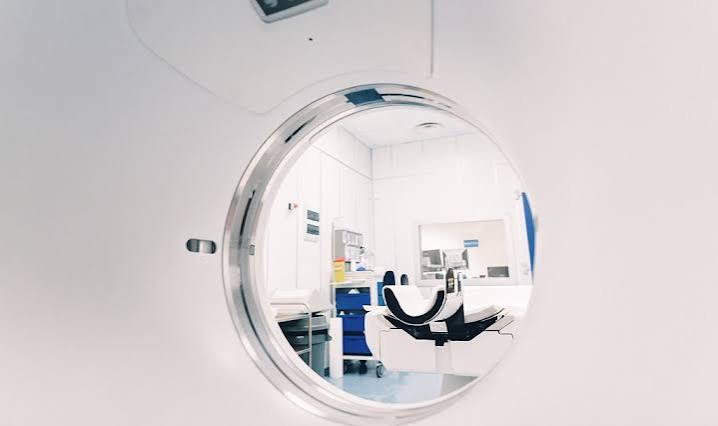
Compact, affordable low-field portable MRI scanners are transforming modern diagnostics by bringing medical imaging directly to the patient's bedside. Enhanced by machine learning tools, these lightweight devices bypass traditional infrastructure hurdles, expanding access to vital neurological care in emergency rooms and underserved regions worldwide.
BOSTON — Traditional magnetic resonance imaging (MRI) has long been constrained by high costs, cryogenic cooling requirements, and the need for heavily shielded, dedicated facility suites. However, a major paradigm shift is underway as researchers, medical institutions, and specialized health-tech firms pioneer compact, affordable, low-field portable MRI systems designed to democratize access to advanced diagnostic imaging.
By leveraging weaker magnetic fields—often dozens of times lower than standard high-field hospital units—engineers have successfully created lightweight, plug-and-play scanners that can operate outside traditional radiology departments. Coupled with artificial intelligence and advanced image-reconstruction algorithms, these portable devices are transforming neurological care in emergency rooms, intensive care units, and underserved clinics.
Overcoming Technical Hurdles Through AI and Compact Design
Conventional MRI scanners rely on massive superconducting electromagnets cooled by expensive liquid helium, making them cost-prohibitive for many regional clinics and developing nations. In contrast, low-field portable systems utilize smaller magnets that draw minimal power, often running on standard electrical outlets.
According to clinical research updates and medical technology disclosures:
AI-Enhanced Clarity: To compensate for reduced signal-to-noise ratios inherent in low-field systems, researchers deploy machine learning tools like super-resolution algorithms to sharpen structural images.
Bedside Deployment: Portable units can be wheeled directly to a patient's bedside in the neuro-ICU or emergency department, eliminating the risks associated with transporting critically ill patients.
Cost Reductions: By eliminating massive helium cooling infrastructure and heavy shielding requirements, the manufacturing and operational costs drop to a fraction of conventional hospital-grade scanners.
Official Sources Section
Quote Section
According to statements released by clinical researchers and neurology investigators developing bedside imaging protocols:
"Access to traditional MRI is not evenly distributed and not available to everyone. We envision a future where a patient visiting a local care physician can receive an instant brain scan and diagnostic evaluation in a single visit."
Why It Matters
For global healthcare providers, rural communities, and patients suffering from acute neurological events like strokes or traumatic brain injuries, portable MRI technology removes critical logistical barriers. By bringing diagnostic imaging directly to the point of care, clinicians can accelerate life-saving interventions and expand neurological screening to remote regions previously devoid of advanced imaging infrastructure.
Key Facts at a Glance
Technology Core: Low-field magnetic resonance imaging combined with machine learning reconstruction.
Key Advantage: Compact, portable design operable from a standard electrical outlet without cryogenic helium cooling.
Clinical Targets: Rapid bedside evaluation for stroke, dementia assessment, and intensive care monitoring.
Accessibility Impact: Significantly lowers capital and operational costs to expand imaging in resource-limited settings.
FAQ Section
How do portable low-field MRI scanners differ from traditional machines?
They use magnets that are significantly weaker and smaller than conventional scanners, requiring minimal power and no specialized helium cooling infrastructure.
What is the primary medical benefit of low-field portable MRI?
It allows clinicians to perform scans directly at the patient's bedside in emergency rooms or ICUs, eliminating the need to transport vulnerable patients.
How do engineers overcome the lower image quality of low-field scanners?
Researchers utilize advanced artificial intelligence and machine learning algorithms to process sparse data and produce sharp, clinically viable structural images.
Where can these portable MRI units be deployed?
Beyond major hospitals, they can be installed in community health centers, ambulatory units, emergency vehicles, and regional clinics with limited electrical and structural resources.
Source: Mass General Brigham, National Institutes of Health, Healthcare in Europe