India's Civil Aviation Ministry has ordered an Aircraft Accident Investigation Bureau (AAIB) probe into an Air India Phuket-Delhi flight that dropped 300 feet mid-air, injuring 17 people. Both pilots have been grounded following technical glitch reports and a non-negative preliminary substance screening for the flight captain.
NEW DELHI — The Ministry of Civil Aviation has officially reclassified an August 4 mid-air drop involving an Air India flight from Phuket to Delhi as a "serious incident". The investigation has been handed over to the Aircraft Accident Investigation Bureau (AAIB) to determine whether severe atmospheric conditions or underlying aircraft systems failures caused the sudden 300-foot loss of altitude.
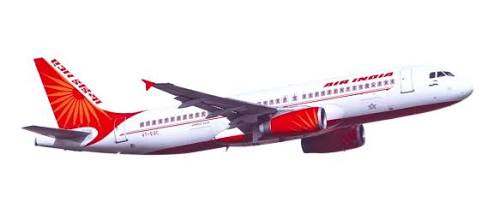
Flight AI 2379, operated by an Airbus A320 carrying 137 passengers and eight crew members, was cruising near its destination vector when it experienced a steep vertical drop within seconds. The sudden drop threw unsecured passengers and crew across the cabin, resulting in injuries to 13 passengers and four cabin crew members. The flight stabilized and landed safely at Indira Gandhi International Airport in New Delhi. However, the investigation expanded after preliminary post-flight screening for the pilot-in-command returned a non-negative result for psychoactive substances, prompting additional laboratory testing and regulatory grounding.
Shift in Official Assessment: Turbulence vs. Systems Malfunction
Initial statements issued by Air India shortly after the incident characterized the event as a brief encounter with clear-air turbulence. However, subsequent regulatory filings and technical reviews by the Directorate General of Civil Aviation (DGCA) suggest investigators are reviewing potential flight control anomalies.
Technical logs under examination by the AAIB include readouts for autopilot disengagement and hydraulic pressures. Investigators are evaluating whether a transient electrical or hydraulic glitch prompted an automated pitch change or if the cockpit crew manually executed a nose-down flight adjustment to counter a sudden aerodynamic stall indicator. Both the Digital Flight Data Recorder (DFDR) and Cockpit Voice Recorder (CVR) have been secured at the AAIB laboratories in New Delhi for readout and analysis.
Pilot Status and Regulatory Enforcement Actions
In accordance with Civil Aviation Requirements (CAR) governing flight safety and medical standards, both flight crew members were subjected to mandatory post-incident testing.
According to officials from the Ministry of Civil Aviation, the pilot-in-command’s initial screening returned a non-negative result. Confirmatory blood and urine samples have been dispatched to a certified specialized laboratory. Pending the final laboratory findings and the conclusion of the AAIB technical review, the DGCA has officially removed both the captain and the first officer from active flight rosters.
Official Sources Section
According to official releases from the Ministry of Civil Aviation, the event meets international criteria under ICAO Annex 13 for a formal "serious incident" probe.
The DGCA confirmed that the aircraft, registration VT-EXO, was inspected and placed in a secured hangar immediately upon arrival at New Delhi. Air India stated that it is cooperating fully with the AAIB and regulatory authorities, confirming that comprehensive medical evaluations and support were extended to all affected passengers and crew.
Quote Section
"According to officials, the occurrence has been classified as a serious incident and is under investigation by the Aircraft Accident Investigation Bureau," stated the Ministry of Civil Aviation. "Both flight crew members underwent the prescribed psychoactive substance screening test. The screening test in respect of the Pilot-in-Command indicated a result requiring confirmatory testing. Pending investigation, both pilots have been taken off the flying roster."
Why It Matters
This formal AAIB investigation carries regulatory and operational implications for international carriers and regional air traffic safety:
Safety Mandates: A finding of technical fault could lead to airworthiness directives (ADs) for global operators of the Airbus A320 family regarding flight control software or hydraulic fail-safes.
Dope Testing Standards: The enforcement of strict post-incident screening protocols underscores India's zero-tolerance policy regarding medical impairment among commercial flight crews.
Passenger Protocol: The severity of in-flight injuries highlights the need for passengers to keep seatbelts fastened at all times during cruise levels to mitigate sudden, unannounced altitude drops.
Key Facts at a Glance
Flight Details: Air India Flight AI 2379 (Phuket to Delhi), operated by an Airbus A320 aircraft carrying 145 people.
Incident: Sudden 300-foot loss of altitude during cruise flight, leaving 17 passengers and crew members injured.
Investigating Body: Aircraft Accident Investigation Bureau (AAIB) following official reclassification as a "serious incident".
Crew Status: Both operating pilots removed from active roster by DGCA pending AAIB findings and confirmatory medical analysis.
Frequently Asked Questions (FAQ)
What caused the Air India Phuket flight to drop 300 feet?
The AAIB is actively investigating whether the altitude loss was caused by severe atmospheric turbulence, a transient fly-by-wire technical failure, or crew manual input during cruise.
Were there any casualties on board?
No fatalities occurred. Seventeen individuals—13 passengers and four cabin crew members—sustained injuries. All passengers were discharged after medical evaluation, while injured crew received specialized hospital care.
Why were the pilots grounded by the DGCA?
Standard operating procedures require flight crews involved in serious incidents to be taken off duty pending investigation. Additionally, the captain's post-flight dope screening required secondary lab verification.
What happens if a pilot tests positive for psychoactive substances?
Under DGCA regulations, a confirmed positive test results in immediate suspension, compulsory de-addiction rehabilitation, and potential permanent cancellation of the flight license for repeated offenses.
Source: Ministry of Civil Aviation (India), Directorate General of Civil Aviation (DGCA), Aircraft Accident Investigation Bureau (AAIB), Air India Official Statements.