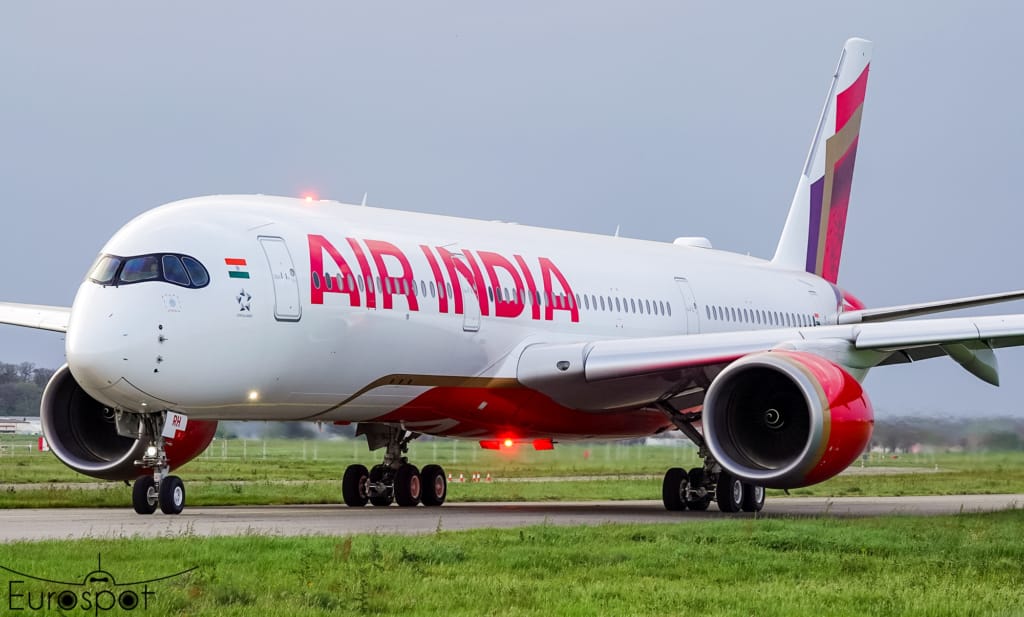
Air India has reactivated a previously grounded Boeing 777 aircraft as its 777-200LR fleet approaches phased retirement. The move reflects operational adjustments amid fleet transition plans, capacity needs, and modernization efforts, highlighting evolving strategies within India’s aviation sector and long-haul network optimization.
India’s flagship carrier Air India has brought a grounded Boeing 777 back into service, signaling short-term capacity balancing as it prepares to phase out parts of its aging long-range fleet. This development comes amid ongoing fleet modernization and expansion.
Fleet Transition And Strategic Realignment
Air India’s Boeing 777-200LR aircraft, once central to ultra-long-haul routes, are nearing retirement as the airline pivots toward newer, fuel-efficient models. The revival of a grounded aircraft suggests temporary operational demand, possibly due to maintenance cycles, delivery delays, or increased international travel demand.
The airline is currently undergoing a massive transformation under the Tata Group, focusing on upgrading aircraft interiors, improving reliability, and aligning with global aviation standards. The reintroduction of an older aircraft highlights the complexity of managing fleet transitions while maintaining route commitments.
Why The Boeing 777 Still Matters
Despite its age, the Boeing 777 remains a workhorse for long-haul aviation. Air India’s decision to revive the aircraft underscores its continued utility in bridging capacity gaps. With rising passenger volumes on international routes, especially between India, North America, and Europe, maintaining operational readiness is critical.
However, these older aircraft come with higher fuel consumption and maintenance costs, reinforcing the urgency behind Air India’s modernization push.
Key Highlights
-
Air India has reactivated a grounded Boeing 777 aircraft
-
The move comes as the 777-200LR fleet approaches retirement
-
Temporary revival likely addresses capacity and operational needs
-
Airline continues fleet modernization under Tata Group ownership
-
New-generation aircraft expected to replace aging long-haul fleet
Looking Ahead: Modern Fleet, Global Ambitions
Air India’s broader strategy includes the induction of advanced aircraft like Airbus A350s and Boeing 787s, aimed at enhancing efficiency and passenger experience. As older Boeing 777 variants exit the fleet, the airline is positioning itself to compete more aggressively on global routes.
This transition phase reflects a balancing act between legacy operations and future readiness, with short-term fixes like aircraft revival ensuring continuity during transformation.
Sources: Air India announcements, aviation industry reports, fleet transition updates