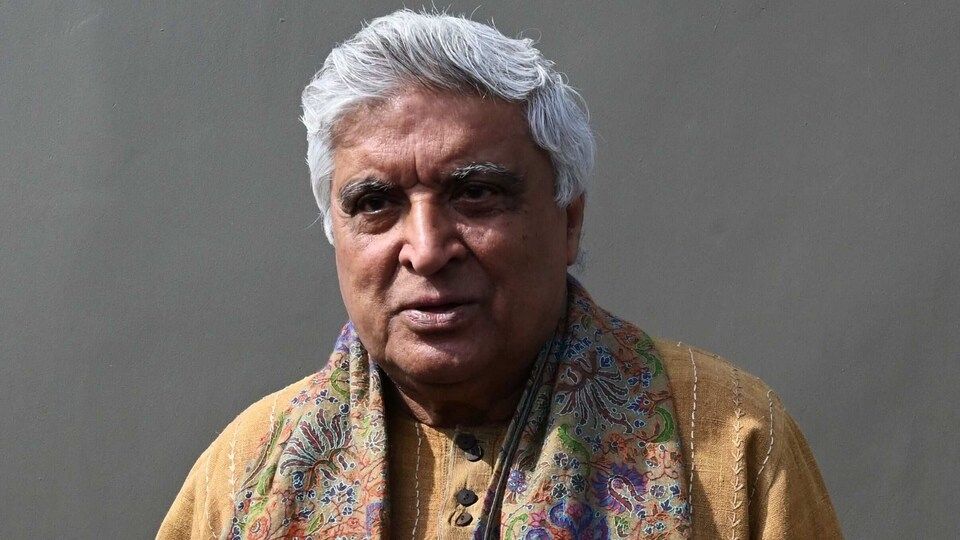
Archival videos of veteran screenwriter Javed Akhtar have resurfaced, highlighting his long-standing perspective on India’s pluralistic spirit. Akhtar articulates that the inherent tolerance within Hindu tradition and the separation of culture from religious dogma are vital foundations for India’s secular democracy and shared identity in an increasingly polarized nation.
Veteran screenwriter Javed Akhtar’s views on the inclusivity of Hindu culture and the distinction between faith and tradition have recently resurfaced, sparking widespread public discussion.
MUMBAI — A series of archival videos featuring veteran lyricist and screenwriter Javed Akhtar has gained significant traction on social media, drawing renewed attention to his perspectives on India's pluralistic cultural landscape. In these clips, Akhtar—a self-identified atheist—articulates a vision of Indian identity that prioritizes shared cultural heritage over religious silos, particularly emphasizing the inherent tolerance he attributes to Hindu tradition.
A Legacy of Inclusivity
The viral footage showcases Akhtar highlighting what he describes as the "democratic attitude" embedded within Hindu culture. Addressing the freedom of thought and expression he perceives as a hallmark of this tradition, Akhtar remarked in a widely shared clip, "What is so beautiful about Hindu community and Hindu culture and Hindu tradition? It is that they allow you to say anything, listen to anything, and believe anything. And this is the value system because of which there is democracy in this country."
Akhtar further elaborated that this spirit of openness is what differentiates India from its broader geopolitical neighborhood, suggesting that this cultural foundation has been instrumental in sustaining the nation's democratic institutions.
Culture Independent of Religion
Beyond his comments on Hindu tradition, Akhtar has frequently addressed the separation of cultural practices from religious dogma. As someone who does not personally adhere to any religious belief, Akhtar uses his own life as a case study in secular participation. He noted that he and his family celebrate a diverse range of festivals—including Diwali, Holi, Eid, and Christmas—viewing them as integral threads in the fabric of India’s shared identity rather than purely religious observances.
"We will not leave our culture because of religion. Leave religion, leave culture. Culture is a beautiful thing," Akhtar explained in one of the resurfaced videos. He argued that festivals like Holi and Diwali are rooted in anthropological traditions that predate organized religions, which later incorporated these celebrations into their own frameworks.
Promoting a Secular Narrative
Akhtar’s public stance has often centered on the importance of maintaining India's "perfect synthesis of culture." He has frequently expressed concern over rising intolerance, urging his audience to preserve the "generous and large-hearted" nature he believes is synonymous with Indian civilization.
In previous public appearances, such as a Deepotsav event in Mumbai, Akhtar famously voiced his pride in being born in the land of Lord Ram and Goddess Sita, characterizing the Ramayana as "cultural heritage." He stressed that the tendency to believe one is exclusively "right" while others are "wrong" is antithetical to the principles of the civilization he admires.
Why It Matters
Javed Akhtar’s remarks are significant as they highlight a long-standing discourse on India’s secular fabric. By positioning culture as a unifying force, he offers a framework for coexistence that transcends theological divides. For many, his perspective serves as a reminder that the preservation of festivals and traditions is not merely a religious act but a vital way to safeguard India’s diverse and pluralistic identity in an increasingly polarized world.
Key Facts at a Glance
Core Philosophy: Akhtar advocates for distinguishing between organized religion and cultural heritage.
Democratic Ethos: He attributes India’s democratic stability in part to the tolerant and open-ended nature of Hindu tradition.
Personal Practice: Despite being an atheist, Akhtar celebrates major Indian festivals, viewing them as essential to the nation's "shared culture."
Public Recognition: His residence is widely known for hosting prominent film industry Holi celebrations, reinforcing his commitment to cultural pluralism.
FAQ
Why does Javed Akhtar celebrate festivals if he is an atheist?
Akhtar views festivals like Diwali, Holi, and Eid as parts of India’s shared cultural identity and traditions, rather than strictly religious obligations.
What did he mean by saying Hindu culture teaches democracy?
He argued that the tradition’s historical willingness to "say anything, listen to anything, and believe anything" fostered the intellectual freedom necessary for democratic values to thrive.
Is this a new stance for the screenwriter?
No, Akhtar has consistently maintained these views over decades in various public forums, arguing that culture and religion are distinct spheres of human experience.
Source: The Times of India, India Today, Telangana Today