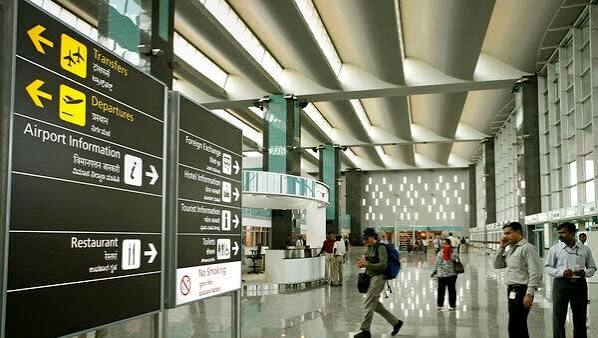
The Airports Economic Regulatory Authority (AERA) is proposing to stop airport operators from charging passengers for infrastructure projects before they are completed. By shifting the financial burden of capital-intensive expansion from travelers to operators, the regulator aims to make passenger tariffs more transparent and directly linked to operational assets.
NEW DELHI — In a move aimed at reshaping how airport infrastructure is financed in India, the Airports Economic Regulatory Authority (AERA) has proposed a major shift in its tariff determination methodology. The regulator intends to prohibit airport operators from recovering the costs of major expansion projects from passengers until the assets are physically commissioned and operational.
This policy adjustment would dismantle the long-standing practice that has allowed private airport operators to factor estimated capital expenditure (capex) into passenger charges—such as User Development Fees (UDF)—at the start of a five-year tariff cycle, effectively forcing flyers to fund projects that remain under construction.
Shifting the Burden of Infrastructure Funding
Currently, airport operators submit multi-year business plans to AERA. Once approved, these plans allow operators to recover project costs through passenger charges for up to five years, regardless of whether the specific assets have been completed. If the AERA proposal is finalized, the financial risk of airport development will shift from the passengers to the airport operators.
According to AERA officials, the primary objective is to align passenger tariffs more closely with actual utility. By ensuring that major expansion costs are only recovered once infrastructure—such as new terminals or runways—is fully commissioned, the regulator seeks to introduce greater financial accountability and reduce the burden on travelers who are currently paying for future benefits.
Impact on Future Airport Developments
This regulatory pivot could have significant implications for the aggressive expansion plans currently underway at major Indian hubs, including upcoming greenfield projects and existing airport upgrades. While operators have historically argued that "pre-funding" is necessary to ensure the viability of large-scale, high-cost projects, AERA’s stance suggests a move toward a model where revenue generation is tied directly to operational performance and asset delivery.
Last month, AERA began formal consultations with major airport operators and airline associations regarding this potential change. Industry experts suggest that while this will be welcomed by consumer groups and airlines, airport operators may push back, citing the need for predictable cash flows to secure financing for massive capital-intensive projects.
Official Stance and Historical Context
The proposal follows years of scrutiny regarding airport tariffs in India. Previously, the Supreme Court and various government ministries have weighed in on the legality and necessity of development fees. While current regulations allow for complex tariff structures—including the recent stabilization of fees at facilities like the Navi Mumbai International Airport—the new AERA directive aims to simplify and rationalize the fee structure to prevent the accumulation of "airport IOUs" where passengers pay for unfinished promises.
Key Facts at a Glance
Proposed Policy: AERA wants to restrict airports from collecting user development fees for infrastructure until the assets are fully operational.
Shifting Risk: The proposed change would move the burden of funding construction from passengers to the private airport operators.
Consultation Phase: AERA has initiated formal discussions with airport operators and airlines to refine the implementation of this methodology.
Consumer Impact: The move is intended to ensure that flyers only pay for the services and facilities they actually use, rather than future-dated capital investments.
Frequently Asked Questions (FAQ)
Why does AERA want to change the fee structure?
The regulator wants to ensure transparency and accountability, ensuring that passengers are not funding projects that have not yet been commissioned.
How does this affect current airport charges?
If adopted, this would prevent operators from hiking current tariffs to account for future infrastructure development.
Is this a final rule?
No, AERA is currently in the consultation phase, seeking input from stakeholders including airport operators and airlines.
Source:
Airports Economic Regulatory Authority of India (AERA)
Mint - No more airport IOUs. Regulator wants flyers to pay only when projects are ready