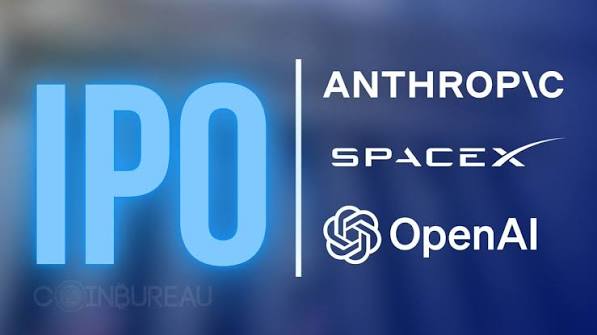
Global tech IPOs from giants like SpaceX and OpenAI are creating a massive liquidity event for venture capitalists. This influx of capital, coupled with the maturation of India’s IPO pipeline—which features over 200 "ready" firms—is expected to provide a fresh "funding tap" for the Indian startup ecosystem.
MUMBAI — As global technology giants like SpaceX, OpenAI, and Anthropic prepare for—or finalize—historic public listings, analysts are eyeing a potential "capital spillover" that could revitalize the Indian startup funding landscape. The record-breaking valuations of these companies are not only generating unprecedented wealth for early investors but are also expected to accelerate the closing of larger successor funds, potentially injecting new liquidity into emerging markets like India.
Between 2016 and mid-2026, the 54 private equity and venture capital firms that backed these global unicorns deployed an estimated $57.8 billion across nearly 1,400 rounds in the Indian technology sector. With major exit events now underway, market observers believe that the returns realized by these global investors will provide the dry powder necessary for a fresh cycle of investment in Indian innovation.
The Cycle of Successor Funds
Historically, successful exits—where early investors cash out at massive valuations—have been the primary engine for raising larger venture capital funds. According to industry experts, when firms like Founders Fund or Andreessen Horowitz realize historic gains from assets like SpaceX, the capital is rarely sidelined. Instead, it is frequently funneled into new, larger funds that aggressively seek out the "next big thing" in emerging tech hubs, including India’s burgeoning AI and deep-tech sectors.
"Historically, successful exits have strengthened the ability of VC and PE firms to raise larger successor funds," said Neha Singh, co-founder of the market intelligence platform Tracxn. This cyclical injection of capital is particularly vital for India, where the startup ecosystem is shifting from a focus on rapid user acquisition to a more disciplined, profitable growth model.
Reality Check: The AI Valuation Debate
While the promise of a "funding tap" is buoying optimism, it comes against a backdrop of global caution. The immense valuations of AI companies like OpenAI and Anthropic—often trading at high multiples of their annual revenue—have sparked concerns about a potential "AI bubble."
Market analysts at the 2026 Aon Start-Up Conclave warned that if global AI valuations face a sharp correction, the impact would not be contained to the U.S. markets. For India, a global correction could trigger foreign portfolio investor (FPI) outflows, pressuring the rupee and potentially slowing down debt-funded investments. Despite this, Indian startups remain resilient, with domestic institutional investors—such as mutual funds and insurance companies—increasingly filling the void left by volatile foreign capital.
A Maturing IPO Pipeline in India
India’s own primary market is currently seeing its strongest period of activity in a decade. With roughly 210 new-age firms "IPO-ready" over the next 24 months, India is positioning itself as a destination for sustained growth rather than just speculative funding. Recent data indicates that the proportion of Indian startups turning profitable (PAT positive) at the time of listing has climbed from 50% to 70% in the last four years, signaling a maturation of the ecosystem that is highly attractive to the same global VCs currently cashing out in the U.S.
Official Sources Section
Data for this report was compiled from the private market intelligence platform Tracxn, findings from the Aon Start-Up Conclave 2026, and primary market analysis from Redseer Strategy Consultants.
Quote Section
"According to officials" and market analysts, the transition from private to public markets for global tech giants marks a structural shift. Experts state that for early-stage VC investors, an IPO is no longer just a fundraising exercise but a vital "staggered liquidity event" that validates the viability of their investment thesis, thereby encouraging further bets in high-growth markets like India.
Why It Matters
For Indian founders, the "funding tap" from global exits could mean easier access to Series B and Series C rounds. For the broader economy, it signifies India's deepening integration with global capital markets, where domestic profitability and disciplined growth are increasingly rewarded by international investors looking for alternatives to the high-risk, high-valuation environment of Silicon Valley.
Key Facts at a Glance
Massive Liquidity: The 54 VC/PE firms backing SpaceX, OpenAI, and Anthropic have invested nearly $58 billion in India over the last decade.
IPO Readiness: Over 210 Indian new-age companies are expected to hit the public markets in the next 24 months.
Shift to Profitability: Indian IPOs are showing a structural shift, with 70% of new-age firms now profitable at the time of listing, up from 50% in FY22.
Market Growth: India’s listed new-age ecosystem is projected to approach $1 trillion in market capitalization by 2030.
Frequently Asked Questions (FAQ)
How do SpaceX and OpenAI IPOs help Indian startups?
Investors who make historic profits on these U.S. giants typically raise larger "successor funds" and look for new growth opportunities in emerging markets like India.
Is there a risk of an AI bubble affecting India?
Yes. If AI valuations in the U.S. collapse, it could trigger global FPI outflows, potentially increasing volatility and cost of capital for Indian startups.
What is the current trend for Indian startup IPOs?
India is seeing a trend toward profitability and financial discipline, with new-age companies prioritizing sustainable business models to attract long-term institutional investors.
Source:
Tracxn
Redseer Strategy Consultants
Aon Start-Up Conclave 2026