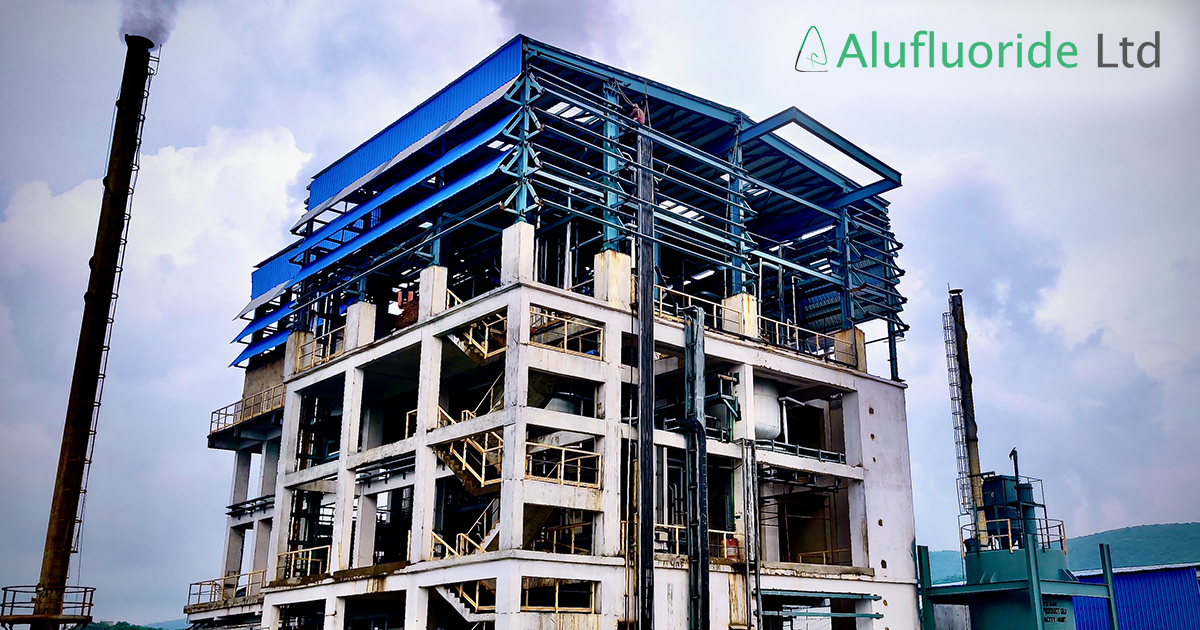
Alufluoride Limited has announced the resumption of normal operations at its Visakhapatnam plant. A key supplier resolved the raw material shortage of Hydrofluosilicic Acid, which had been disrupted since May 2026 due to geopolitical conflict in the Middle East, allowing the company to ramp up production of Aluminium Fluoride.
VISAKHAPATNAM — Specialty chemical manufacturer Alufluoride Limited announced on July 15, 2026, that it is restoring production to normal levels at its Visakhapatnam manufacturing facility. The company has initiated immediate procurement of critical raw materials following a formal notification from its primary supplier that previous supply chain bottlenecks have been resolved. The operational restart marks the end of a period of reduced output forced by raw material shortages linked directly to geopolitical conflict in the Middle East.
Middle East Supply Disruption Resolved for Key Acid
According to corporate disclosures submitted to national stock exchanges, the production slowdown originally began in late May 2026. On May 23, 2026, the company notified market regulators that it had to temporarily scale down operations at the Visakhapatnam plant. The output reduction was driven by a severe shortage of Hydrofluosilicic Acid, an indispensable raw material utilized to synthesize the company's primary commercial product, Aluminium Fluoride.
The original raw material shortage stemmed from persistent maritime logistics and supply chain disruptions originating in the Middle East, where geopolitical conflict had severely hampered cargo transport lanes. However, on July 15, 2026, Alufluoride Limited received formal written confirmation from its key supplier verifying that the upstream operational constraints had been cleared and the supplier's plant load has successfully been increased to normal thresholds.
Restoring Production of Aluminium Fluoride in Visakhapatnam
Following the positive update from its raw material partner, Alufluoride Limited has commenced logistics and procurement arrangements to haul the required quantities of Hydrofluosilicic Acid back to its flagship industrial hub in Visakhapatnam, Andhra Pradesh. The return of consistent raw material deliveries will allow the company to safely ramp up its processing reactors to standard operating capacity.
The Visakhapatnam facility plays a critical role in supplying high-grade Aluminium Fluoride to domestic and international smelting plants. Aluminium Fluoride serves as a crucial additive in the smelting process, functioning as a bath component to lower the melting point of alumina and improve the electrical conductivity of the electrolyte during aluminum extraction.
Regulatory Compliance and Listing Disclosures
The update on the Visakhapatnam facility was communicated in compliance with standard corporate transparency mandates in India. Alufluoride Limited submitted its regulatory filings pursuant to Regulation 30, read with Schedule III, of the Securities and Exchange Board of India (Listing Obligations and Disclosure Requirements) Regulations, 2015.
The filing also adhered to disclosure protocols outlined in SEBI Master Circular No. HO/49/14/14(7)2025-CFD-POD2/I/3762/2026 dated January 30, 2026. The market notification was signed and officially submitted by Vaishali Kohli, Company Secretary and Compliance Officer of Alufluoride Limited.
Market Impact on Investors and the Aluminum Sector
The resumption of normal manufacturing operations is expected to stabilize supply dynamics for several industrial stakeholders:
For Aluminium Smelters: A consistent supply of Aluminium Fluoride from a major domestic source reduces the reliance of Indian smelters on expensive spot-market imports, helping stabilize aluminum production costs.
For Public Market Investors: The resolution of this supply constraint removes a major headwind for Alufluoride Limited, providing clearer revenue visibility and improved margin expectations for the upcoming fiscal quarters.
For Chemical Logistics Providers: The recovery of raw material shipping lanes from the Middle East indicates a gradual stabilization of bulk liquid chemical transport routes, benefiting regional port operators and industrial freight handlers.
Official Sources Section
The operational updates, historical timelines, and supply chain details detailed in this report are sourced directly from the official corporate disclosures filed by the company with domestic financial market watchdogs. The statutory filing was officially processed and uploaded on July 15, 2026, under the executive authority of the company's compliance department.
Quote Section
According to the official regulatory statement released by the company's corporate desk:
"The Company has received communication dated July 15, 2026, from the supplier confirming that the raw material supply issue has been resolved and accordingly, the supplier has increased its plant load. Pursuant to the above, the Company has commenced arrangements for procurement of the requisite quantity of Hydrofluosilicic Acid from the said supplier, and operations at the Visakhapatnam plant will accordingly be restored to normal levels."
Why It Matters
The disruption and subsequent recovery at the Visakhapatnam facility show how closely domestic chemical manufacturing is tied to global supply chains. A localized conflict in the Middle East can directly affect production timelines in India. The successful resolution of this raw material bottleneck highlights the resilience of major suppliers in adapting to geopolitical challenges to keep key industrial supply lines open.
Key Facts at a Glance
Location of Impact: The company's primary manufacturing hub in Visakhapatnam, Andhra Pradesh, India.
Core Issue Resolved: The supply issue of Hydrofluosilicic Acid, a vital raw material, has been officially resolved by the supplier.
Disruption Timeline: Operations were scaled down starting May 23, 2026, and officially restored on July 15, 2026.
Geopolitical Context: The supply chain bottleneck was caused by transport disruptions linked to the ongoing war in the Middle East.
Regulatory Compliance: Submitted under Regulation 30 of the SEBI Listing Obligations and Disclosure Requirements.
FAQ Section
Q: Why did Alufluoride Limited have to reduce operations at its Visakhapatnam plant?
A: The company experienced a temporary shortage of Hydrofluosilicic Acid, a critical raw material required to manufacture Aluminium Fluoride, due to shipping disruptions caused by the war in the Middle East.
Q: What is Hydrofluosilicic Acid used for at the Visakhapatnam facility?
A: It is the key raw material used by the company to produce Aluminium Fluoride, which is subsequently sold to aluminum smelting plants worldwide.
Q: When was the original slowdown initiated, and when did normal operations resume?
A: The operational slowdown was first announced on May 23, 2026. The company confirmed it was resuming normal operations on July 15, 2026, after receiving positive confirmation from its supplier.
Source: Alufluoride Limited Investor Relations Announcements, Company Disclosure to Stock Exchanges