Mukesh Ambani's Reliance Industries has proposed a Rs 2.73 lakh crore, 30-year investment to develop an Underground Coal Gasification complex in Andhra Pradesh. Converting 3.13 billion tonnes of deep coal into syngas, hydrogen, and synthetic fuels, the project aims to reduce import dependence and shield India from global energy shocks.
ELURU, India — Billionaire Mukesh Ambani’s Reliance Industries Limited has submitted an ambitious proposal to invest approximately Rs 2.73 lakh crore ($32.7 billion) over 30 years to build India’s first integrated Underground Coal Gasification (UCG) complex in Andhra Pradesh. Disclosed in project proposals submitted to state government authorities, the mega-infrastructure development aims to convert deep, unmineable coal seams into high-value synthesis gas (syngas), hydrogen, methanol, and synthetic natural gas, fundamentally altering India's long-term energy security landscape.
Technical Framework of Underground Gasification
Under the proposal submitted to the Andhra Pradesh government, Reliance Industries plans to harness deep coal reserves across the Chintalapudi and Recherla coal blocks located in the Eluru district. The conglomerate secured these blocks through the Ministry of Coal's commercial e-auction process.
The two blocks contain substantial deep deposits:
Chintalapudi Block: Spanning roughly 3,000 acres, holding an estimated 904.94 million tonnes of G-12 grade coal.
Recherla Block: Covering nearly 5,500 acres, containing an estimated 2,225.67 million tonnes of G-13 grade coal.
Cumulative Resource: Over 3.13 billion tonnes of coal lying more than half a kilometer underground.
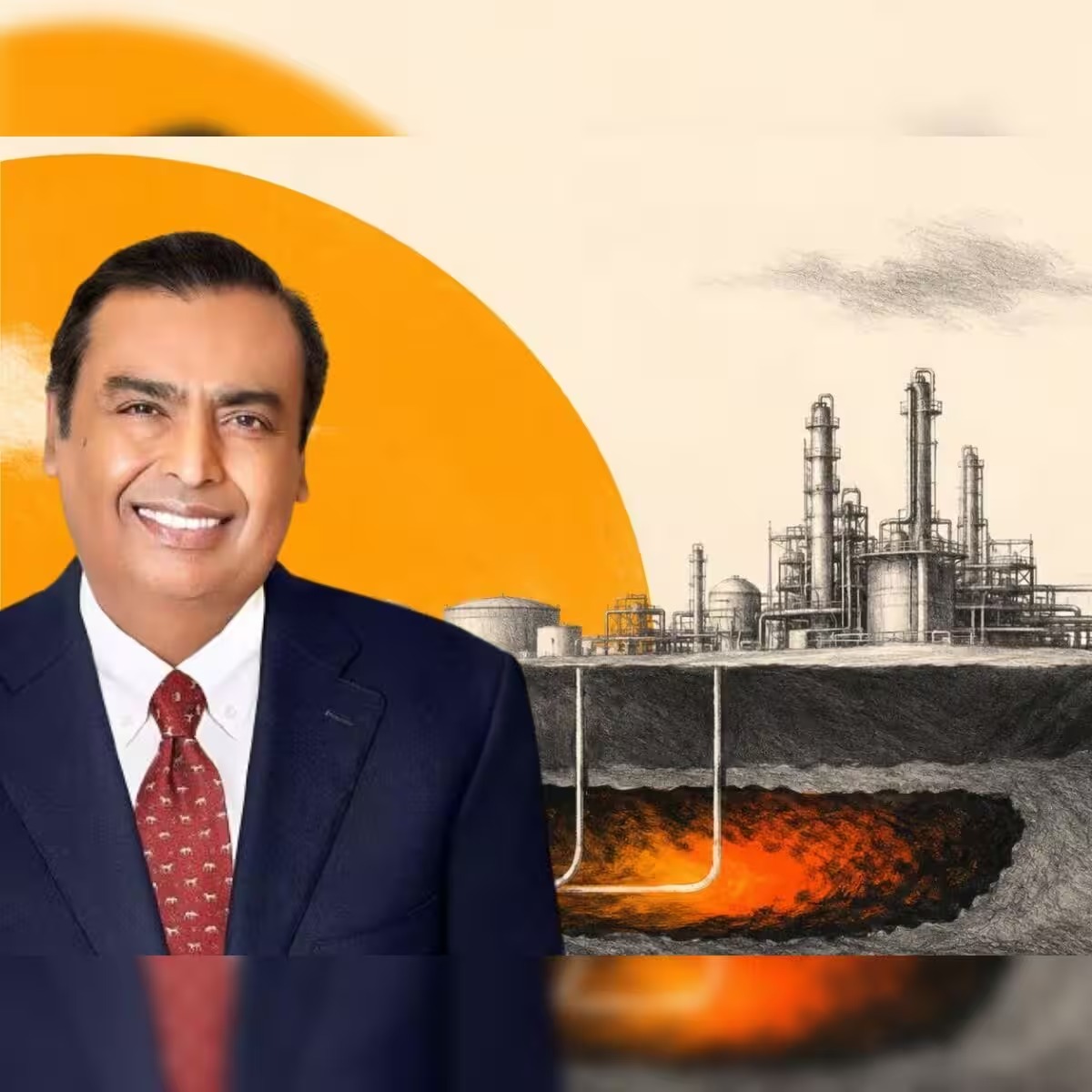
Unlike open-cast or conventional deep-shaft mining, Underground Coal Gasification converts coal directly into gas while it remains underground. Injection wells feed an oxidizing agent such as oxygen, air, or steam into the coal seam to initiate controlled partial combustion. Production wells then extract the resulting syngas—primarily a mix of hydrogen, carbon monoxide, methane, and carbon dioxide—to the surface for downstream industrial processing.
Phased Capital Expenditure Roadmap
The proposed Rs 2.73 lakh crore capital deployment is structured into three execution phases designed to mitigate geological and technical risks:
Phase 1 (2026–2027): Exploration and pilot trial phase with an initial capital outlay of up to Rs 3,000 crore to establish technical and commercial viability.
Phase 2 (2028–2030): Primary complex development and pipeline infrastructure spending estimated at Rs 1.2 lakh crore.
Phase 3 (2030 Onward): Full commercial-scale production and downstream chemical integration with capital expenditure pegged at Rs 1.5 lakh crore.
The phased capital expenditure model enables the conglomerate to manage working capital exposure while testing deep-seam gasification parameters before deploying large-scale capital.
Strategic Shift in Import Substitution
India currently imports over 85% of its crude oil and half of its natural gas requirements, exposing its domestic economy to global geopolitical disruptions and currency volatility. Downstream chemical sectors rely heavily on imported liquefied natural gas (LNG), ammonia, and methanol feedstocks.
By converting deep domestic coal into syngas, the facility can produce synthetic natural gas (SNG) to replace imported LNG in city gas networks and industrial power applications. Additionally, syngas can be shifted into hydrogen to produce domestic urea and ammonia for fertilizer plants, as well as methanol for petrochemical manufacturing, significantly curtailing foreign exchange outflows.
For domestic industries, consumers, and institutional investors, developing indigenous gas production buffers India from external supply bottlenecks while optimizing domestic mineral reserves that are inaccessible through conventional mining techniques.
Official Sources Section
Details of the proposal and mining allocations were sourced from submissions to the Government of Andhra Pradesh, regulatory auction records from the Ministry of Coal, and statutory disclosure frameworks overseen by the Securities and Exchange Board of India.
Quote Section
According to official state energy department documents and project filings:
"The proposed Underground Coal Gasification project in Eluru represents an innovative application of clean coal technology to extract deep deposits without surface mining. Phased investments will focus on establishing technological safety, environmental sustainability, and commercial syngas viability."
Why It Matters
Deep underground coal gasification unlocks over 3 billion tonnes of previously unmineable domestic coal, converting energy assets directly into synthesis gas and hydrogen without opening destructive surface mines. If commercially validated, the Rs 2.73 lakh crore initiative establishes a domestic hedge against volatile international hydrocarbon pricing, shielding Indian industries and consumers from global energy supply shocks.
Key Facts at a Glance
Total Proposed Outlay: Rs 2.73 lakh crore (~$32.7 billion) over a 30-year horizon.
Location: Eluru district, Andhra Pradesh (Chintalapudi and Recherla blocks).
Resource Scale: 3.13 billion tonnes of deep coal reserves (over 500 meters underground).
Primary Products: Syngas, hydrogen, methanol, ammonia, and synthetic natural gas.
Phase 1 Pilot Window: 2026–2027 with a Rs 3,000 crore exploration budget.
Frequently Asked Questions
What is Reliance Industries proposing in Andhra Pradesh?
Reliance has proposed a Rs 2.73 lakh crore, 30-year phased investment to build India's first integrated Underground Coal Gasification (UCG) complex across the Chintalapudi and Recherla coal blocks in Eluru.
How does Underground Coal Gasification (UCG) differ from regular mining?
Unlike traditional surface mining, UCG gasifies coal directly inside deep underground seams using steam and oxygen injection, bringing syngas to the surface via extraction wells without physical coal extraction.
What products will be produced at the gasification complex?
The extracted syngas will be converted into hydrogen, methanol, synthetic natural gas (SNG), and ammonia to serve fertilizer, petrochemical, and power generation sectors.
How will this project protect India from economic shocks?
By generating domestic alternatives to imported LNG, crude derivatives, and chemical feedstocks, the project reduces India's reliance on volatile international energy markets and lowers import bills.
Source: Ministry of Coal | Government of Andhra Pradesh | Securities and Exchange Board of India