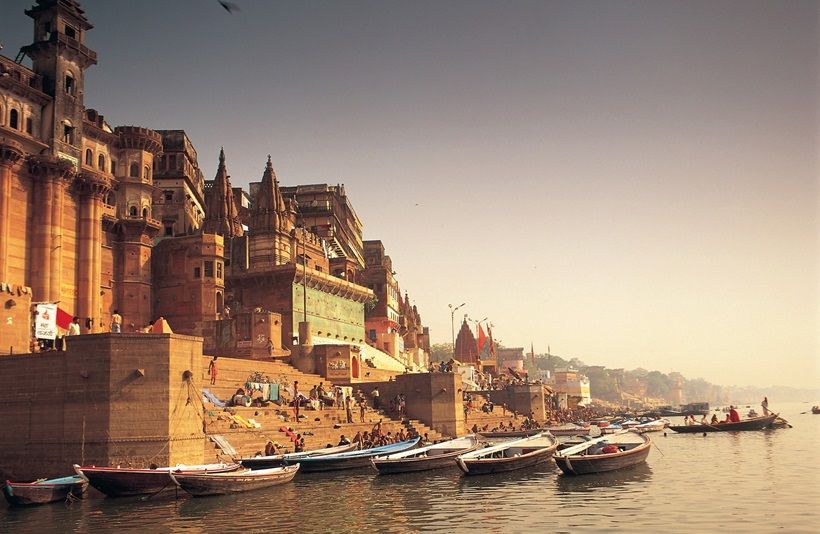
Boat operations in Varanasi were temporarily suspended with immediate effect following a surge in the Ganges river's water level. Enforced by local administration, the Jal Police, and disaster response teams, the precaution prioritizes pilgrim and tourist safety during the peak pilgrimage season while water levels continue to fluctuate.
Prioritizing public safety during peak seasonal visits, local authorities halt all river navigation as swelling waters impact the historic ghats.
In a decisive move to protect pilgrims, tourists, and local operators, administrative authorities in Varanasi ordered the immediate suspension of all boat operations across the Ganges river. Announced in August 2026, the temporary prohibition was enacted after continuous rainfall and increased upstream discharge caused a sudden surge in the river's water level and current velocity. With thousands of devotees converging on the ancient city’s sacred ghats during the holy Shravan month, district officials and the Jal Police intervened swiftly to prevent potential waterborne transit hazards.
Safety Protocols and River Monitoring
The decision to ground the city's extensive fleet of motorized and manual vessels was reached following coordinated assessments between civil administration units, disaster management cells, and law enforcement agencies. Officials emphasized that rapid shifts in water currents pose severe risks to passenger boats operating near prominent locations such as Dashashwamedh Ghat and Assi Ghat.
Key operational details regarding the suspension include:
Administrative Coordination: Directives executed through joint evaluations involving the Jal Police, National Disaster Response Force (NDRF), and district revenue officials.
Public Announcements: Water police deploying public address systems from patrol vessels to instruct boatmen to dock immediately.
Vessel Restrictions: Grounding of over 1,400 small, medium, and large passenger boats that form the backbone of river tourism and local ferrying.
Continuous Surveillance: Real-time tracking of water flow rates through the Central Water Commission (CWC) monitoring stations.
Impact on Tourism, Local Livelihoods, and Pilgrims
For visitors and travelers planning trips to Uttar Pradesh’s spiritual capital, the temporary halt alters traditional sightseeing itineraries, preventing iconic boat tours that offer panoramic views of the illuminated evening Ganga Aarti. For local boatmen and associated tourism businesses, the suspension introduces short-term economic disruptions. However, community leaders and trade associations have expressed full cooperation with the administration, acknowledging that passenger safety supersedes commercial activity during periods of environmental volatility.
Why It Matters
Proactive regulatory measures during adverse weather and high water events prevent maritime accidents on high-traffic inland waterways. Balancing tourism demands with strict safety compliance safeguards human life and maintains order across vulnerable pilgrimage infrastructure.
Key Facts at a Glance
Location: Varanasi, Uttar Pradesh.
Affected Body: The Ganges river system and associated ghat networks.
Enforcing Agencies: Jal Police, NDRF, and District Revenue Administration.
Core Reason: Rapid water level increases and strong undercurrents threatening passenger vessels.
FAQ Section
Why were boat operations suspended in Varanasi?
Operations were halted due to a sudden rise in the Ganges river's water level and swift currents, prompting authorities to prioritize traveler safety.
Which agencies enforced the temporary boating ban?
The restriction was implemented collaboratively by the Jal Police, the National Disaster Response Force (NDRF), and district administrative officials.
How do visitors check when river navigation services resume?
Updated advisories and hydrological clearance notices are published regularly through the Uttar Pradesh Relief Commissioner Portal and local municipal bulletins.
Does the suspension affect the daily Ganga Aarti ceremonies?
No, the evening Ganga Aarti rituals continue uninterrupted along the stepped stone ghats, though viewing from river vessels is temporarily restricted.
Source: Uttar Pradesh Relief Commissioner Portal, The Times of India Varanasi Bureau, Central Water Commission (CWC) Official Portal, Hindustan Times Regional Desk