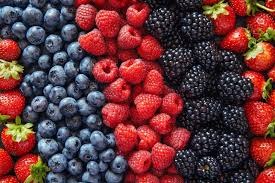
Recent clinical research highlights the powerful anti-inflammatory and cardiovascular benefits of anthocyanin-rich foods like berries, dark grapes, and purple vegetables. Studies confirm that these natural plant pigments effectively lower LDL cholesterol, reduce markers of chronic inflammation, and support long-term metabolic and cognitive health.
Recent clinical studies reveal that plant pigments found in red, purple, and blue fruits and vegetables play a critical role in reducing chronic inflammation and improving cardiovascular health.
Recent scientific evaluations published in major medical journals have brought renewed attention to the powerful health benefits of anthocyanin-rich foods. Researchers investigating dietary polyphenols—the naturally occurring water-soluble plant pigments responsible for the vibrant red, purple, and blue hues in produce such as blueberries, blackberries, red cabbage, and purple sweet potatoes—have confirmed their substantial role in mitigating oxidative stress and combating systemic inflammation. The findings arrive as public health agencies increasingly emphasize preventative dietary interventions to counter rising rates of age-related metabolic and cardiovascular disorders.
Mechanisms of Action and Clinical Findings
According to data compiled from recent clinical trials and experimental reviews published in journals such as Geroscience and Nutrients, anthocyanins exert targeted protective effects by interacting with key cellular signaling pathways, including Nrf2 and NF-kappaB. These mechanisms help neutralize harmful free radicals that cause cellular damage and drive chronic tissue inflammation.
Recent trials focusing on older adults and individuals with elevated cardiometabolic risk demonstrated that daily consumption of anthocyanin-focused extracts or whole-food equivalents—averaging approximately 320 mg per day—significantly lowered overall cardiometabolic risk scores. Specifically, researchers observed meaningful reductions in low-density lipoprotein (LDL) cholesterol, improvements in blood glucose handling, and suppressed levels of C-reactive protein (CRP), a primary clinical biomarker for systemic inflammation.
Impact on Consumers, Healthcare Providers, and the Food Industry
The growing body of evidence surrounding anthocyanin-rich foods carries practical implications across multiple sectors:
Consumers and Patients: Individuals seeking proactive nutritional strategies gain validated pathways to support heart health, manage blood sugar levels, and potentially delay cognitive decline through accessible dietary adjustments.
Healthcare Providers: Physicians and clinical dietitians can incorporate evidence-based nutritional guidelines emphasizing colorful, antioxidant-dense produce into preventative treatment plans for metabolic syndrome.
Agricultural and Food Sectors: Growers and food manufacturers face heightened demand for functional whole foods, dark-skinned berries, and purple-hued grains as consumer awareness of polyphenol benefits expands.
Official Sources and Regulatory Frameworks
According to clinical trial data from geriatric intervention networks, nutritional research bodies, and peer-reviewed evaluations published by international scientific publishers, dietary recommendations continue to encourage the inclusion of diverse, brightly colored plant foods as part of a balanced diet. Public health agencies monitor these findings to refine nutritional guidelines aimed at reducing chronic disease burdens.
"According to officials and clinical researchers, incorporating targeted daily servings of anthocyanin-dense fruits and vegetables offers a safe, accessible, and scientifically backed dietary strategy for reducing long-term cardiovascular and metabolic risks."
Why It Matters
As global populations age, identifying non-invasive, cost-effective methods to prevent chronic ailments such as type 2 diabetes, heart disease, and neurodegenerative decline remains a top public health priority. The confirmation that everyday dietary choices—such as eating berries, dark grapes, and purple vegetables—can measurably suppress inflammation empowers individuals to take direct control of their long-term health outcomes.
Key Facts at a Glance
Primary Source: Anthocyanins are natural flavonoid pigments found abundantly in dark berries, black currants, red cabbage, eggplants, and purple sweet potatoes.
Cardiometabolic Impact: Clinical trials indicate that consistent intake helps lower LDL cholesterol, reduce blood pressure, and improve insulin sensitivity.
Anti-Inflammatory Action: Regular consumption effectively reduces systemic inflammation markers like C-reactive protein (CRP), particularly in individuals with high baseline inflammation.
Cognitive Support: Emerging data suggests that polyphenol-rich diets may assist in preserving memory and cognitive processing speed in older adults.
Frequently Asked Questions (FAQ)
What are anthocyanins and where are they found?
Anthocyanins are water-soluble antioxidant pigments belonging to the flavonoid family. They are primarily found in the outer layers and flesh of red, blue, and purple fruits and vegetables, such as blueberries, blackberries, blackcurrants, red cabbage, and purple sweet potatoes.
How do anthocyanins benefit heart health?
Research shows that anthocyanins help improve lipid profiles by lowering LDL ("bad") cholesterol and triglycerides, reducing blood pressure, and decreasing systemic inflammation that contributes to plaque buildup in arteries.
How much anthocyanin is needed to see health benefits?
Many clinical studies demonstrating positive metabolic and anti-inflammatory outcomes utilize daily dosages around 320 mg, which can be achieved through regular dietary inclusion of fresh berries and deeply colored produce.
Can anthocyanins help prevent type 2 diabetes?
Clinical observations suggest that regular intake of anthocyanin-rich foods improves glucose tolerance and insulin sensitivity, helping stabilize blood sugar spikes and lower the long-term risk of developing type 2 diabetes.
Source: MDPI Nutrients Journal, Geroscience Clinical Trials, Healthline Nutritional Research Archives