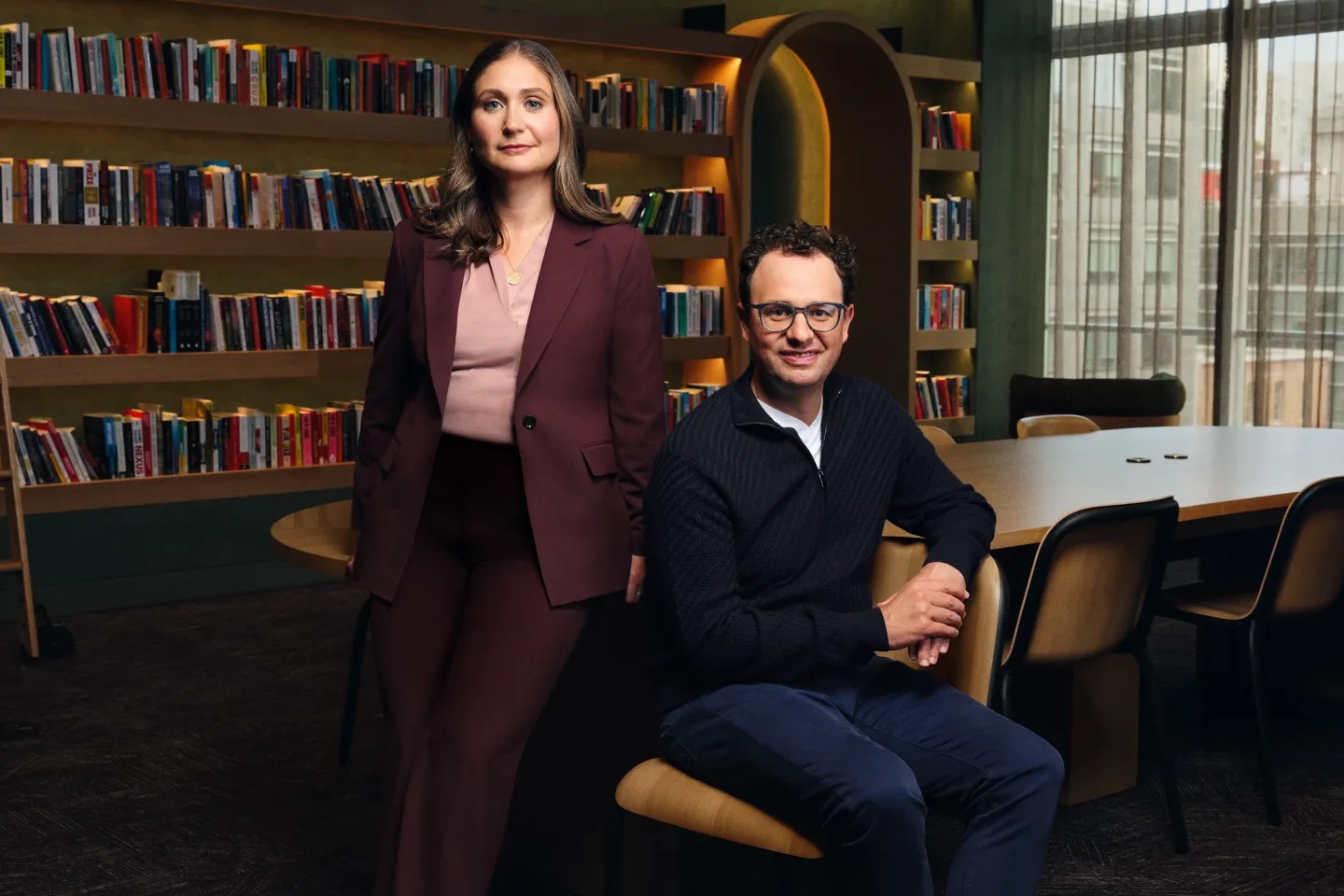
Anthropic President Daniela Amodei has warned that the artificial intelligence sector could face sweeping, social media-style bans if it fails to resolve its current structural challenges. Emphasizing safety over raw speed, Amodei called for proactive government accountability and rigorous auditing to protect consumers and long-term enterprise stability.
SAN FRANCISCO — The artificial intelligence industry could be hurtling toward a restrictive regulatory environment reminiscent of the public backlashes and government interventions that reshaped major social networks. Speaking at an industry summit in June 2026, Anthropic co-founder and President Daniela Amodei revealed that the sector must actively prepare for severe public constraints, including the potential for social media-style bans on model deployments. The warning arrives as frontier AI labs face intense scrutiny from international policymakers over the systemic risks, data privacy issues, and economic disruptions caused by rapid model development.
Addressing a highly concentrated audience of enterprise tech executives, Amodei emphasized that if the sector continues to project its current trajectory without robust internal safeguards, it will inevitably hit the same societal and legal roadblocks that curbed previous tech booms. Her comments highlight a growing consensus among safety-focused developers that voluntary industry guardrails may no longer satisfy global regulatory bodies.
Projecting Challenges and the Legacy of Digital Platforms
The comparison between AI model deployment and early social media networks points to a shared structural flaw in how Silicon Valley scales consumer technology. During her presentation, Amodei noted that early social platforms scaled exponentially by prioritizing user engagement and speed over safety, eventually leading to deep societal polarization, misinformation crises, and sudden government bans across multiple global jurisdictions.
"If we project some of the challenges that we are seeing today out into the future," Amodei stated, the parallel becomes undeniable. Advanced large language models (LLMs) are already showing vulnerabilities related to intellectual property theft, data scraping without consent, and the generation of highly convincing synthetic media. If these challenges remain unaddressed, Amodei warned, the public and political pushback could mirror the sudden, sweeping state-level bans currently used to regulate foreign social media applications and data-harvesting networks.
The Operational Split: Safety vs. Commercialization
Anthropic has long positioned itself as a public benefit corporation, a legal designation that requires its board to balance commercial profits with broader social impact. This structural boundary has frequently put the firm at odds with conventional Silicon Valley growth strategies. Amodei, who oversees day-to-day operations and handles the executive team while her brother, CEO Dario Amodei, directs technical research, reiterated that safety must be viewed as an accelerant for enterprise adoption rather than an administrative bottleneck.
This safety-first posture was recently highlighted during high-profile disputes with government entities. Public filings confirm that Anthropic previously rejected pressure from the U.S. military to remove core safety guardrails from its flagship Claude model series, specifically refusing to allow the technology to power fully autonomous lethal weapon systems or conduct mass domestic surveillance. Amodei noted that being transparent about the drawbacks and challenges of AI is the only way to build long-term institutional trust.
Global Impact on Businesses and Everyday Workers
For corporate enterprises, institutional investors, and everyday workers, the threat of social media-style bans introduces a new layer of systemic volatility. Hundreds of major businesses have integrated generative AI directly into their core daily workflows, making them highly vulnerable to sudden regulatory halts or sweeping regional bans.
To prevent a sudden regulatory shutdown, Anthropic is advocating for automated auditing frameworks that mirror the safety protocols used by the Federal Aviation Administration (FAA). Under these proposed rules, advanced models would undergo mandatory third-party technical testing and strict national security reviews before public release. Simultaneously, the company has pledged hundreds of millions of dollars to fund independent academic studies on AI-driven job displacement, trying to help the broader global workforce adapt before systemic disruptions trigger severe political backlash.
Official Sources Section
The corporate policy positions, organizational structures, and regulatory proposals cited in this report have been compiled directly from public corporate updates published by Anthropic. Additional regulatory contexts, executive order details, and historical tech safety definitions are verified via official announcements from the U.S. Securities and Exchange Commission (SEC) and public transcripts from the California Legislative Assembly registry.
Quote Section
"Anthropic has always aimed to be very open about what the drawbacks and challenges are of AI," explained Anthropic President Daniela Amodei during an industry address. "If we project some of the challenges that we are seeing today into the future, we have to ensure there is accountability so this technology doesn't hurt people."
Why It Matters
The warning from a top AI executive carries major practical implications for the global digital economy. If advanced AI models face localized or national bans similar to social media restrictions, companies that rely completely on automated workflows could face sudden operational pauses. For developers, this reality shifts the primary goal of software engineering away from building raw, unchecked capability and toward verified compliance, safety auditing, and explicit alignment with human legal frameworks.
Key Facts at a Glance
Regulatory Parallel: Anthropic President Daniela Amodei warned that advanced AI could face social media-style bans if current safety and privacy challenges are projected into the future without corrective action.
Corporate Structure: Anthropic operates under a unique split-leadership model where Daniela Amodei runs all operational business units, while CEO Dario Amodei focuses purely on technical strategy.
Hardline Stances: The firm has consistently rejected commercial and governmental pressures to lower its guardrails, notably refusing to allow its Claude models to power autonomous military weapons.
Proactive Protection: Anthropic is backing rigid government auditing frameworks—modeled after aviation safety standards—alongside a $200 million commitment to study and mitigate worker displacement.
FAQ Section
Q: Why could AI face social media-style bans in the future?
A: If AI models continue to scale without resolving fundamental challenges like copyright infringement, data privacy violations, and synthetic misinformation, governments may deploy sweeping regional bans similar to those used against non-compliant social networks.
Q: What is Anthropic’s official stance on regulating artificial intelligence?
A: Anthropic supports the creation of strict regulatory frameworks, arguing that advanced AI systems should undergo rigorous, independent safety testing and auditing before being allowed a public rollout.
Q: How does Anthropic balance its business interests with public safety?
A: As a public benefit corporation, the company is legally structured to balance financial goals with social impact, giving its executive team the authority to reject profitable contracts if they violate core safety principles.
Q: What role does Daniela Amodei play within Anthropic's leadership?
A: Daniela Amodei serves as the President and co-founder, directly managing the executive team and handling all day-to-day business operations, while her brother Dario focuses entirely on long-term technical vision.
Source: Anthropic Corporate Integrity Reports, U.S. Federal Trade Commission Public Filings, AI Magazine Executive Keynote Transcripts.