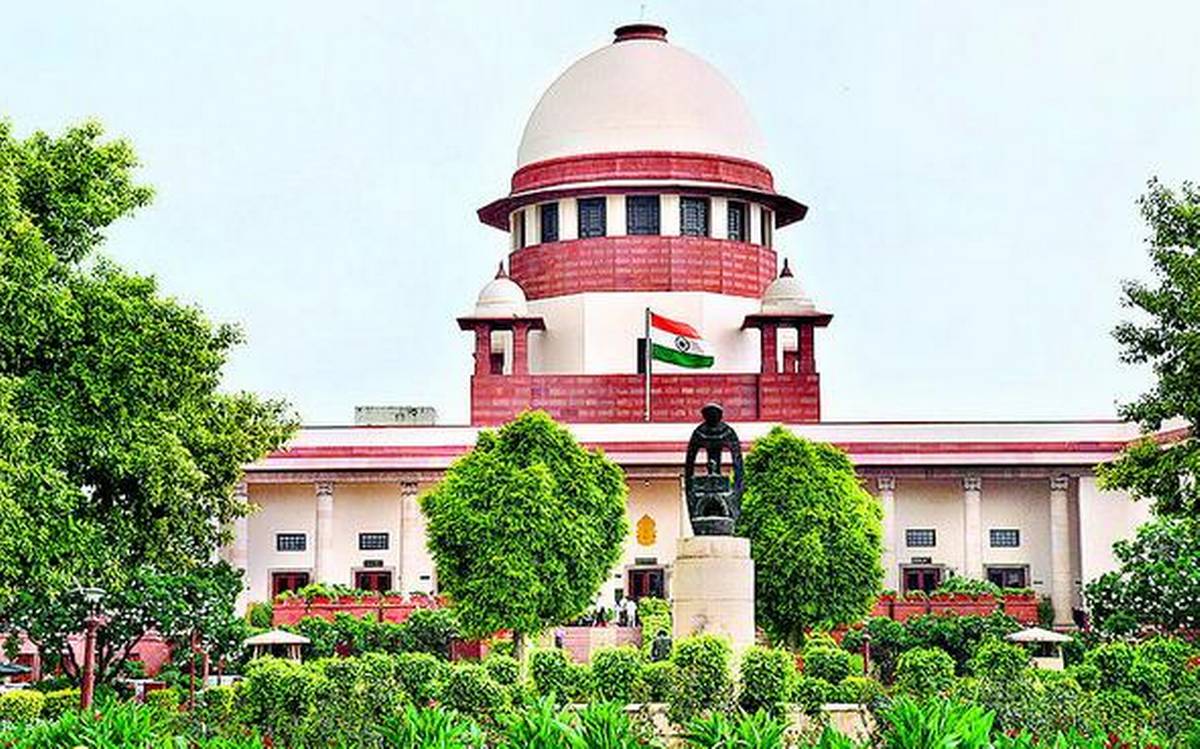
The Supreme Court of India on March 28, 2025, delivered a landmark judgment affirming the constitutional right to free speech by dismissing an FIR against Congress MP Imran Pratapgarhi. This judgment highlights the need to safeguard artistic expression and the need for a healthy discourse in a de...
The Supreme Court of India on March 28, 2025, delivered a landmark judgment affirming the constitutional right to free speech by dismissing an FIR against Congress MP Imran Pratapgarhi. This judgment highlights the need to safeguard artistic expression and the need for a healthy discourse in a democratic nation. The comments of the court ring very much in the wake of recent debates regarding freedom of expression in India, especially amid recent controversies revolving around artistic and political speech.
Quashing of FIR: The Supreme Court quashed the FIR registered against Imran Pratapgarhi by the Gujarat Police in response to a social media message that had a poem titled "Ae khoon ke pyase baat suno." The court held that there was no case on the prima facie in his favor, focusing on the fact that police must initiate preliminary investigations before filing FIRs regarding speech.
Freedom of Expression as a Pillar: The bench, which included Justices Abhay Oka and Ujjal Bhuyan, held that freedom of expression is the cornerstone of a healthy and civilized society. They pointed out that in the absence of this freedom, people cannot live dignified lives as assured under Article 21 of the Indian Constitution.
Criticism of Police Action: The court censured the Gujarat Police for their reckless actions, that they need to comprehend the context and meaning of verbal or written expressions before acting against someone under law. This serves as a precedent in similar future cases on free speech to prevent law enforcers from acting on baseless accusations without sufficient evidence.
Judicial Responsibility: Judges and law-enforcement authorities have been reminded of their responsibility for protecting constitutional rights by the Supreme Court. Judges were told even if they had personal disagreement about some expressions that they are not to abandon this protection as their responsibility in support of the Constitution.
Standards for Judging Speech: The decision set out that the effect of words spoken or written should be judged by standards of "reasonable, strong-minded persons," not those who might feel threatened by opposing views. This approach is intended to avoid the suppression of valid expressions in public debate.
Artistic Freedom: The court emphasized that artistic activities such as poetry, drama, and satire are critical to enlivening human life. The court cautioned against reading artistic material as causing animosity or hatred unless there is overwhelming evidence in support of such intentions.
Warning Against Overreach: The ruling warned against invoking Article 19(2) restrictions on free speech in a manner that is "fanciful and oppressive." It insisted that any restrictions must be reasonable and proportionate to safeguard citizens' rights effectively.
Historical Context: The decision is made at a moment when debate on free speech is more and more relevant to India. Some recent cases of comedians and artists being taken to court for their statements have sparked fears over the chilling effect on creative liberties.
Call for Alertness: The court called upon constitutional courts to be alert to any move that could erode free speech. It reaffirmed that safeguarding this right is essential to sustaining democracy and having diverse voices heard in society.
In summary, the Supreme Court's decision is a strong endorsement of free speech rights in India. By dismissing the FIR against Imran Pratapgarhi and highlighting the value of artistic expression, the court has established a precedent that can shape future legal interpretations of freedom of expression. This historic decision not only protects individual rights but also upholds the fundamental principles of democracy in India.
Sources: Times of India India Today Hindustan Times Times of India Hindustan Times Bar and Bench Deccan Herald