India and Australia have finalized arrangements to begin commercial uranium exports, a move designed to fuel India's ambitious goal of reaching 100 GW of nuclear power by 2047. The agreement enhances energy security, diversifies fuel sources, and strengthens the strategic partnership between the two Indo-Pacific powers.
A landmark administrative arrangement signed in Melbourne paves the way for commercial uranium supply, bolstering India’s long-term clean energy ambitions.
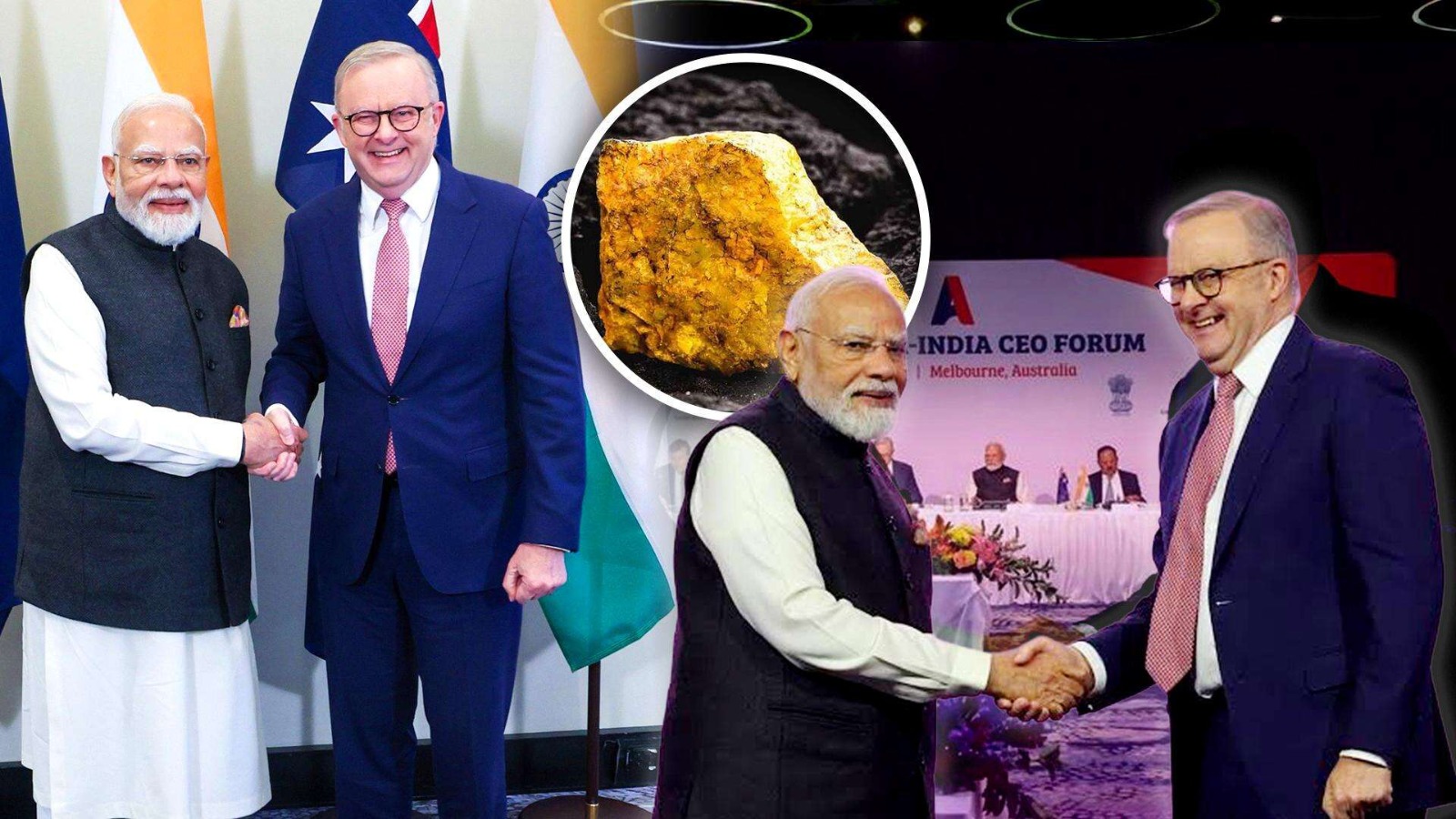
MELBOURNE — India and Australia have finalized the administrative arrangements necessary to begin the commercial export of Australian uranium to India, a pivotal development that arrives as New Delhi accelerates its drive toward a 100-gigawatt (GW) nuclear energy capacity by 2047. The agreement was confirmed on July 9, 2026, during the third Australia-India Annual Summit in Melbourne, attended by Indian Prime Minister Narendra Modi and Australian Prime Minister Anthony Albanese.
The deal marks the culmination of more than a decade of diplomatic efforts following the 2014 civil nuclear cooperation pact. By unlocking access to Australia’s vast uranium reserves—the largest in the world—India secures a stable, long-term fuel source essential for powering its growing industrial base, urban centers, and expanding fleet of electric vehicles.
Fueling a Clean Energy Backbone
For India, which currently relies on a modest base of 24 nuclear reactors with an installed capacity of roughly 8.8 GW, the 100 GW target by 2047 represents a massive structural shift. As the nation prepares to move toward net-zero emissions by 2070, nuclear energy is expected to serve as a reliable, non-fossil fuel "baseload" to complement the intermittent nature of solar and wind power.
"Today, we can confirm the signing of the Administrative Arrangement to enable uranium exports to India for peaceful purposes under the 2015 Australia-India Nuclear Cooperation Agreement," Prime Minister Albanese stated during a joint press conference. "The arrangement facilitates Australian uranium exports to India to help increase the share of non-fossil fuel power capacity, providing an additional market for the Australian resources sector."
Why the Uranium Pact Matters
The integration of Australian uranium into India’s nuclear supply chain is critical for several strategic reasons:
Diversification of Fuel Sources: With limited domestic uranium reserves, India has historically navigated a complex global market to secure fuel. Australia’s supply provides a stable, secure, and democratic source for this essential commodity.
Support for Small Modular Reactors (SMRs): India’s 100 GW roadmap heavily emphasizes the deployment of Small Modular Reactors. These units are designed for faster construction and scalability, requiring a steady supply of high-grade fuel to remain operational.
Net-Zero Transition: As India’s energy demand spikes due to data centers, manufacturing expansion, and infrastructure development, nuclear energy offers a high-density, low-carbon solution that aligns with the government's long-term decarbonization goals.
Strengthening Strategic Cooperation
The nuclear agreement was one of 18 pacts signed during the Melbourne summit, reflecting the "consequential" nature of the India-Australia partnership. Beyond energy, the two nations solidified cooperation in critical minerals, maritime security, and defense industrial collaboration.
By formalizing the uranium supply chain, both countries have reinforced their commitment to the Indo-Pacific region’s stability. "This will open the way for uranium supplies from Australia to India and give new impetus to our clean energy objectives," Prime Minister Modi said.
Official Sources
Ministry of External Affairs (India): Provided the framework for the civil nuclear energy agreement and the joint declaration on defense and security.
Prime Minister’s Office (Australia): Confirmed the finalization of administrative arrangements to facilitate uranium exports under International Atomic Energy Agency (IAEA) safeguards.
Joint Statement on Energy Security: Outlined the commitment of both nations to maintain stable, secure, and reliable supplies of critical energy commodities.
Quote Section
"According to officials," the new administrative arrangement ensures that all Australian uranium exported to India will be used exclusively for peaceful civilian purposes. Organizers stated that the pact serves as a vital clean-energy outcome that provides the necessary resources to accelerate India's transition away from coal-heavy energy generation.
Why It Matters
The practical implication of this deal is a reduced dependence on volatile international markets for nuclear fuel. For Indian power companies and policymakers, this stability is essential for meeting the stringent deadlines set for the 100 GW target. As India builds out the infrastructure to support its 2047 economic goals, the ability to source fuel from a partner like Australia minimizes supply chain risks and aligns with global environmental standards.
Key Facts at a Glance
Target: India aims to scale nuclear power capacity to 100 GW by 2047.
Fuel Source: Australia holds the world’s largest uranium reserves.
Safeguards: All exports will be subject to International Atomic Energy Agency (IAEA) protocols to ensure peaceful usage.
Context: The pact follows 12 years of diplomatic negotiation since the 2014 civil nuclear cooperation agreement.
FAQ
1. How much uranium will Australia export to India?
Neither government has specified exact volumes or shipment dates, but the agreement establishes the legal framework for commercial trade to commence.
2. Is this limited to uranium?
No. The broader energy and economic pacts cover coal, liquefied natural gas (LNG), and a "critical minerals corridor" to support India's high-tech manufacturing sector.
3. Does this agreement bypass India’s non-signatory status on the NPT?
The agreement operates under bilateral civilian cooperation frameworks and strict IAEA safeguards, which have been negotiated to satisfy the regulatory requirements of both nations.
Summary
Source: Ministry of External Affairs, Australian PM Office, The Hindu, World Nuclear Association