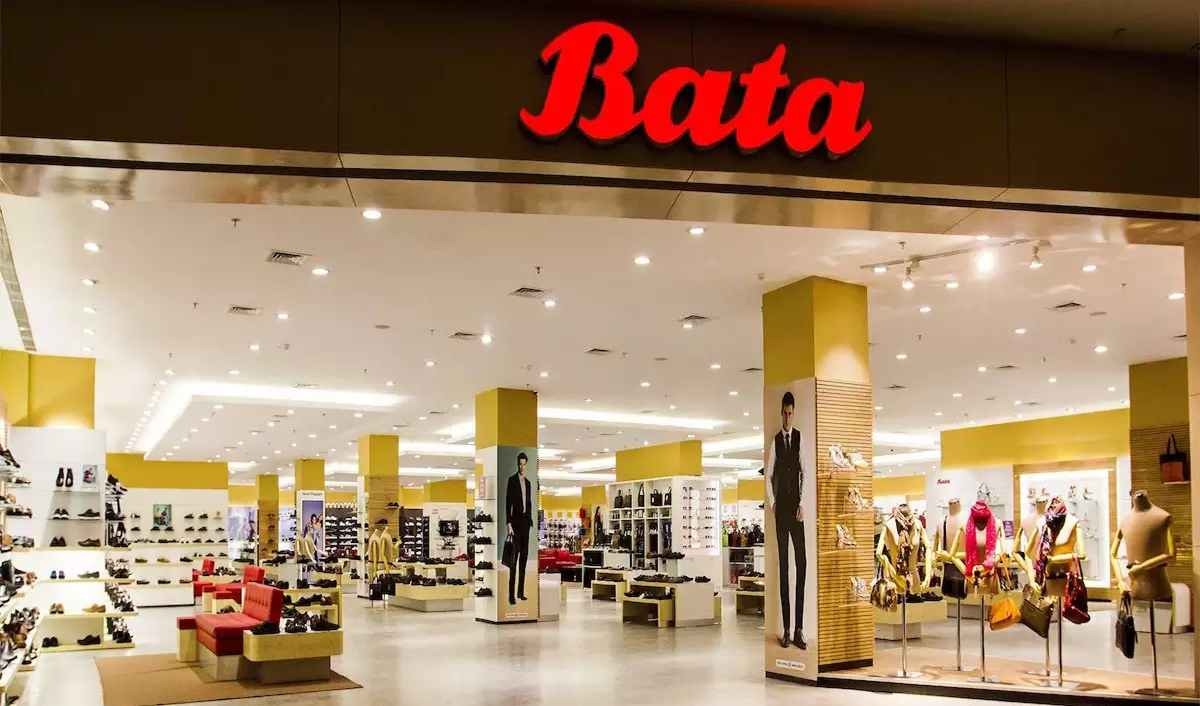
Footwear giant Bata India is lacing up for an ambitious expansion plan that will see it enter 500 new towns across the country over the next five years. The strategy hinges on a franchise-first model, aiming to deepen its footprint in Tier 3 and Tier 4 towns while tapping into local entrepreneurs...
Footwear giant Bata India is lacing up for an ambitious expansion plan that will see it enter 500 new towns across the country over the next five years. The strategy hinges on a franchise-first model, aiming to deepen its footprint in Tier 3 and Tier 4 towns while tapping into local entrepreneurship. With a cautiously optimistic outlook for the upcoming festive season and a renewed focus on brand innovation, Bata is positioning itself for a retail renaissance in India’s fast-developing heartland.
1. Expansion Blueprint and Franchise Focus
- Bata India will enter 500 new towns primarily through franchise stores over the next five years
- The company plans an 80:20 ratio of franchise to company-owned outlets during this phase
- This model allows faster scalability and deeper market penetration, especially in smaller towns
- Bata currently operates over 600 franchise stores, up from just 100 five years ago
2. Why Smaller Towns Hold Big Promise
- Managing Director Gunjan Shah emphasized the untapped potential in Tier 3 and Tier 4 towns
- India’s rapid urbanization and rising disposable incomes in non-metro regions are driving demand
- Franchise partnerships with local entrepreneurs offer a win-win model for growth and community engagement
- Customized product mixes will be introduced based on regional preferences and climate
3. Brand Strategy and Product Innovation
- Bata’s flagship brand contributes nearly 70 percent of its revenue
- The Floatz brand, which crossed the 100 crore mark in under four years, is now being scaled to 800 crore over the next five years
- Power, another key brand, currently stands at 500 crore and continues to expand its reach
- The company is investing in product development and e-commerce to support its multi-brand strategy
4. Financial Snapshot and Market Sentiment
- Bata reported a 71 percent year-on-year decline in consolidated net profit for Q1 FY26, down to 51.99 crore
- Revenue remained flat at 941.85 crore, impacted by sluggish consumption and erratic weather patterns
- Despite short-term headwinds, the company remains hopeful for a demand revival during the festive season
- Government initiatives to boost consumption are expected to support retail momentum
5. Operational Efficiency and Retail Tech
- Bata is enhancing in-store technology across its network, with 72 percent of stores already upgraded
- The company’s distribution spans over 1,500 towns, and the new expansion will further strengthen its reach
- Efficiency and customer experience are central to the brand’s retail transformation strategy
6. Export Ambitions and Global Outlook
- Currently, exports contribute a low single-digit percentage to Bata’s revenue
- The company aims to double this share over the next three to five years
- Global restructuring within the Bata Shoe Organization is expected to support this push
7. Challenges and Strategic Resilience
- The company acknowledges ongoing challenges such as geopolitical disruptions and weather anomalies
- However, its franchise-led model offers flexibility and resilience in uncertain market conditions
- Bata’s leadership remains committed to long-term growth through innovation, localization, and strategic partnerships
Conclusion
Bata’s plan to enter 500 new towns is more than a retail expansion—it’s a strategic pivot toward inclusive growth and deeper market relevance. By empowering local entrepreneurs and tailoring offerings to regional needs, the brand is not just selling shoes but stepping into the cultural and economic fabric of emerging India. As festive optimism builds and rural markets evolve, Bata’s franchise-first approach could well become a blueprint for retail success in the next decade.
Sources: The Hindu Business Line, Times of India, Franchise India, Economic Times