India’s social media has seen wave after wave of internet fads that felt impossible to ignore in their prime and then quietly faded away. From invite-only audio apps and pixelated NFTs to AI-generated avatars and cryptic “link in bio” tools, these trends reshaped how Indians chatted, created, and flexed online for a brief, noisy moment.
For a few explosive months at a time, each trend promised to “change everything” about how we talk, buy, or express ourselves on the internet. Then the novelty wore off, algorithms moved on, and users drifted back to their comfort zones on WhatsApp, Instagram, and YouTube. Still, each fad left behind lessons about how fast Indian users experiment, adapt and move on.
Clubhouse Rooms And Audio Gold Rush
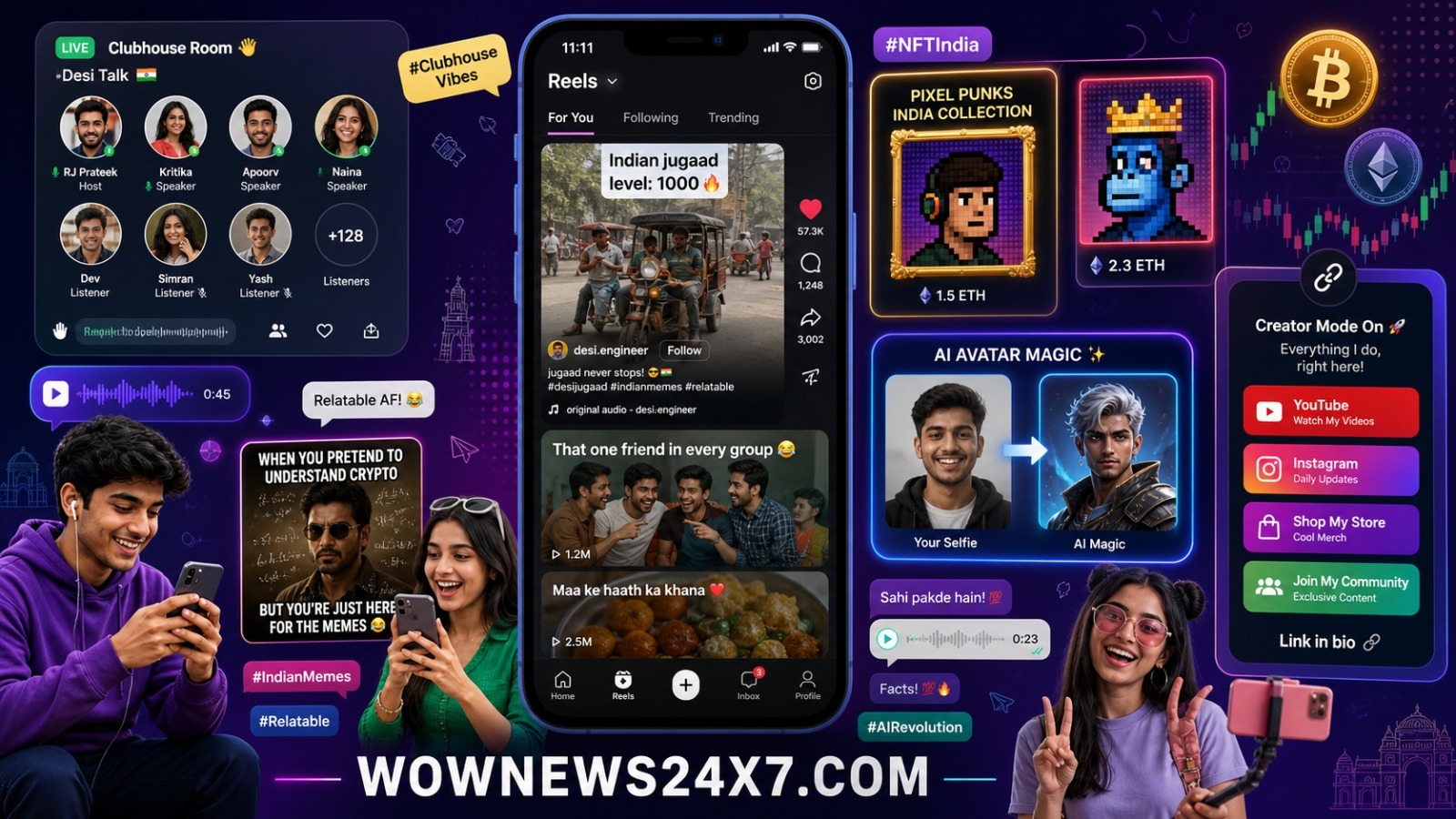
Clubhouse arrived like a status symbol: invite-only, late-night rooms, influencers moderating “serious” discussions and gossip sessions. Indian startup founders, investors and creators flocked to panels on funding, careers and Bollywood. But as Twitter Spaces and Instagram Lives caught up, the novelty of endless audio marathons began to fade.
NFTs And The Great Digital Flex
At the peak of the NFT craze, Indian timelines filled with pixel art, “1/1” drops and stories of overnight millionaires. Creators rushed to mint their work, and collectors treated profile pictures like digital Rolexes. As the crypto market cooled and regulations stayed murky, buzz fell faster than it rose, leaving a smaller, niche community behind.
Ai Avatars, Filters And Face Makeovers
Generative AI apps turned selfies into fantasy portraits, anime characters and hyper-glam shots. For a few weeks, feeds were flooded with AI avatars, each more dramatic than the last. Concerns over data privacy, subscription fatigue and sameness of the outputs slowly dulled the hype, even though AI features quietly stayed embedded in camera apps.
Viral Challenges, Reels And Short Video Waves
From TikTok trends to Instagram Reels and YouTube Shorts, Indians jumped on dance steps, lip syncs and hashtag challenges at record speed. Many creators built huge followings on the back of one or two viral formats. As trends cycled faster, only those who could reinvent themselves beyond “one challenge” managed to stay relevant.
Link In Bio Pages And Creator Stacks
At one point, nearly every creator and small business used a slick “link in bio” page to stack YouTube channels, shops, newsletters and payment links. It became the digital visiting card for Indians building personal brands. Over time, the feature turned into hygiene, not a “trend,” as platforms themselves copied and integrated similar link tools.
Voice Notes, Meme Pages And Hyperlocal Jokes
WhatsApp voice notes, niche meme pages and city-specific joke accounts briefly became the default way to share feelings, frustration and politics. Some pages built mini-media empires on the back of meme virality before burning out or getting cloned. The format stayed, but the cult status of specific pages rarely lasted.
Crypto Coins, Community Groups And Fomo
Crypto Telegram groups, “to the moon” memes and late-night price-watch rituals gripped a section of Indian social media. Screenshots of profits, trading apps and referral links dominated timelines. When markets turned, the noise dipped sharply, but the underlying interest in finance and investing spilled over into equities, options and mutual funds.
Internet Fad Flashback Insights
- Clubhouse style audio rooms briefly turned everyone into panelists and moderators
- NFT mania made digital art and collectibles feel like status symbols before the bust
- AI avatar apps created a flood of stylised selfies, then raised privacy and fatigue questions
- Short video challenges and Reels trends minted local stars at high speed
- “Link in bio” tools became default infrastructure for Indian creators and small brands
- Meme pages, voice notes and hyperlocal humour reshaped how everyday news and angst travelled
- Crypto and NFT hype deepened interest in online finance, even after the fad cooled
Sources: Scribd, LinkedIn, IndiaAI, Instagram, Facebook, Wikipedia