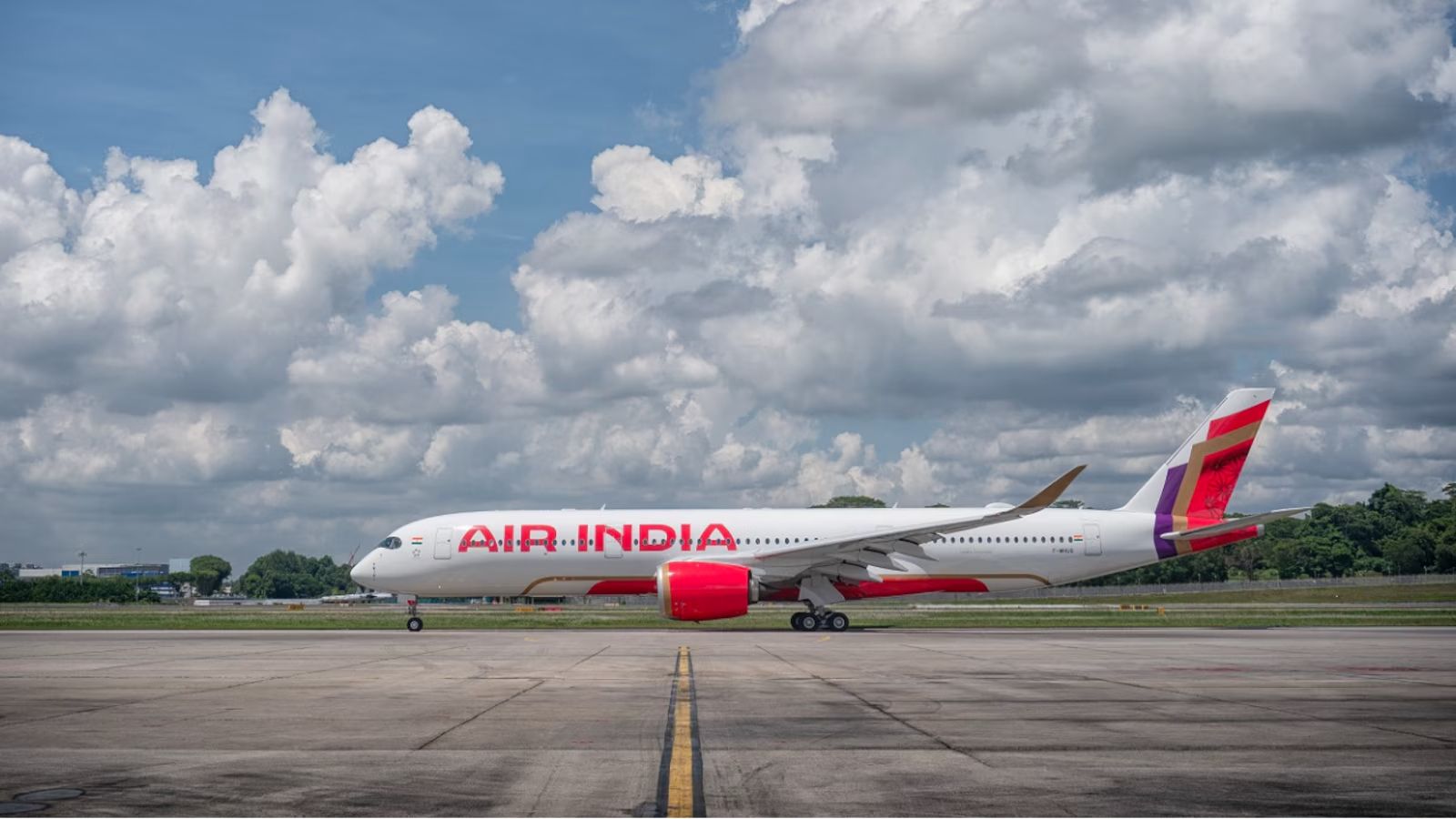
Singapore Airlines has defended its decision to hold and fund a 25.1 percent stake in Air India despite the Indian carrier dragging SIA’s FY26 net profit down by over 57 percent. Calling the investment a core part of its long term multi hub strategy, SIA says India’s aviation market and Air India’s ongoing turnaround justify short term pain.
Singapore Airlines latest annual results triggered fresh questions about its India bet. Air India’s estimated FY26 loss of nearly 3 billion dollars has forced SIA to book hundreds of millions in associate losses and even examine the investment for impairment. On an earnings call and in detailed media comments, CEO Goh Choon Phong insisted that the airline is playing the long game in a market it knows intimately.
Big Topline, Smaller Bottomline
For FY26, Singapore Airlines reported record revenue but a steep 57 percent year on year drop in net profit to roughly 1.18 billion dollars, with management explicitly blaming Air India’s red ink for much of the decline.
SIA’s share of Air India’s FY26 loss was about 742 million dollars, implying total losses of roughly 2.8 to 2.96 billion dollars at the Tata owned airline, even as it spends heavily on fleet renewal, retrofits and customer service upgrades.
What Sia’s Ceo Is Saying
Goh Choon Phong told analysts that the group “knows the Indian market well” from earlier joint ventures and sees its Air India stake as a long term strategic foothold in one of the world’s largest and fastest growing aviation markets.
He argued that Air India’s FY26 loss was aggravated by external factors such as Pakistan airspace closures and rupee depreciation, and stressed that the Indian carrier is making “tangible progress” in training, complaint resolution and operational reliability as part of a multi year transformation plan.
Strategic Logic Behind The Bet
Singapore Airlines has limited scope to grow a domestic network out of Singapore and has therefore pursued a multi hub strategy, with India expected to be a key second pillar alongside its home base.
The 25.1 percent Air India stake gives SIA a direct share of future traffic flows on India long haul routes and access to a much larger codeshare footprint; the two airlines recently expanded their codeshare to 82 destinations across 27 countries.
Risks, Capital Needs And Investor Concerns
Analysts quoted in regional business media warn that if Air India’s losses stay higher for longer or if capital needs exceed the pledged amounts, SIA’s dividend capacity could be constrained.
SIA has already injected around 360 million Singapore dollars in cash into Air India and committed up to 880 million more under its deal with Tata Sons, and its latest filings note “indicators of impairment” that required a detailed valuation review, though no write down has yet been taken.
Aviation Strategy Insights
- Air India’s FY26 loss is estimated around 2.8 to 2.96 billion dollars, with SIA’s share of losses at about 742 to 945 million dollars and a 57 percent hit to SIA’s net profit
- Singapore Airlines holds 25.1 percent of Air India, has injected roughly 360 million Singapore dollars and pledged up to 880 million more as part of the Tata deal
- CEO Goh Choon Phong says the investment is a core component of SIA’s long term multi hub strategy and that Air India is showing tangible progress in its transformation
- Analysts caution that prolonged losses could curb SIA’s dividend capacity, but the airline argues that India’s growth trajectory makes the current drag a price worth paying for future market share
Sources: Hindu BusinessLine, Business Standard