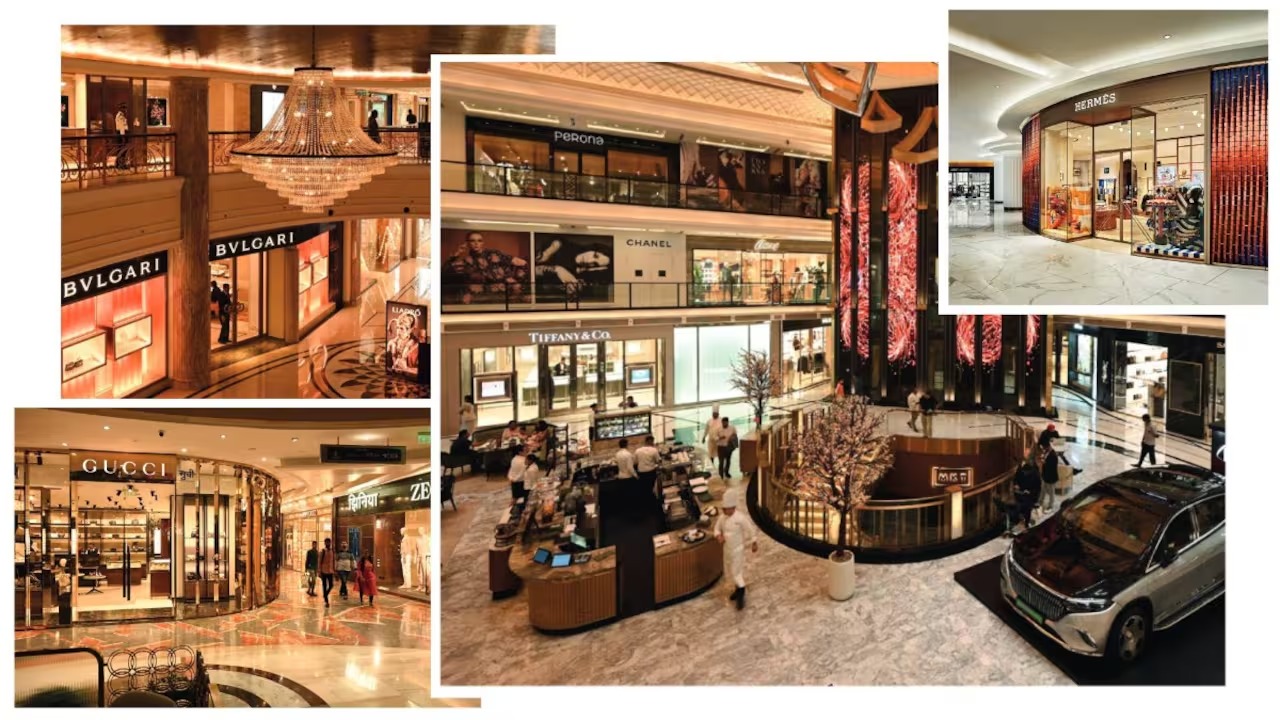
Luxury retail operators have announced plans to launch over 15 standalone luxury boutiques across India over the next three years. Target markets include major hubs like Mumbai and Delhi-NCR alongside high-growth cities such as Chandigarh and Ahmedabad, capitalizing on strong economic growth and expanding high-net-worth consumer demand.
NEW DELHI — In a major offline expansion initiative within South Asia’s rapidly growing high-end consumer sector, international and domestic luxury retail houses are accelerating physical store deployments, outlining plans to launch over 15 standalone luxury boutiques across India over the next two to three years.
The strategic rollout reflects a structural pivot toward immersive brand environments and direct-to-consumer physical touchpoints, transitioning away from multi-brand shop-in-shop formats. Retail leaders cite strong macroeconomic fundamentals, rapid wealth accumulation among high-net-worth individuals (HNWIs), and an expanding appetite for experiential luxury in non-metro urban centers as the primary catalysts for the capital investment.
Strategic Shift Toward Immersive Standalone Retail
According to retail expansion blueprints released by industry executives, the scheduled 15-store rollout prioritizes standalone boutique models designed as dedicated brand ecosystems rather than conventional transactional spaces.
Industry analysts note that while primary tier-one metropolitan hubs including Mumbai’s luxury enclaves, Delhi-NCR, and Bengaluru remain foundational anchors, the expansion strategy aggressively targets high-growth secondary hubs such as Chandigarh, Ahmedabad, and Hyderabad. Data from real estate consultancy panels indicates that high-net-worth consumer density in these secondary markets now generates sufficient localized demand to support dedicated standalone luxury units.
Market Dynamics Driving Physical Store Expansion
The retail initiative coincides with broader projections for India’s luxury market, which is estimated to exceed $14 billion to $15 billion by late 2026, driven by a 10 percent annual compound growth rate.
Retail developers emphasize that physical boutiques serve a dual role: driving high-margin offline sales while acting as experiential marketing anchors for omnichannel digital commerce. The planned boutiques will feature dedicated private VIP consultation salons, localized bespoke product drops, and integrated clienteling technologies to cater to generational wealth transfer and young affluent demographics.
Official Sources Section
Retail footprint allocations and expansion timelines correspond to corporate filings, strategic announcements, and real estate development updates verified through the Retailers Association of India (RAI) and commercial property tracking reports issued by JLL India.
Quote Section
"According to corporate executives and retail strategists, launching over 15 standalone luxury boutiques over the next three years reflects strong long-term confidence in India's physical luxury infrastructure and growing consumer appetite for immersive brand experiences."
Why It Matters
The rollout of 15 standalone luxury boutiques marks a significant shift in how international luxury brands deploy capital in India. By establishing permanent, high-concept standalone stores, luxury houses are securing prime commercial real estate in high-street corridors and premium shopping destinations, ensuring long-term client retention and brand positioning as discretionary spending accelerates.
Key Facts at a Glance
Expansion Scale: Commitment to open over 15 standalone luxury boutiques within a three-year timeline.
Geographic Target: Dual focus combining established tier-1 metros (Delhi, Mumbai, Bengaluru) with high-growth secondary cities (Chandigarh, Ahmedabad).
Retail Concept: Focus on immersive, experiential boutique environments over standard multi-brand retail formats.
Market Projection: India's luxury goods market path set to cross $14-15 billion, outperforming mature Western and East Asian growth rates.
Frequently Asked Questions
What type of stores are included in the 15-boutique expansion plan?
The expansion focuses exclusively on standalone flagship boutiques that feature immersive brand experiences, private client salons, and comprehensive luxury product ranges.
Which cities are targeted for new luxury store openings?
The rollout targets primary luxury hubs including Mumbai, Delhi-NCR, and Bengaluru, alongside rapidly expanding markets such as Chandigarh, Ahmedabad, and Hyderabad.
Why are luxury brands shifting toward standalone stores in India?
Standalone boutiques allow luxury houses to deliver controlled brand storytelling, offer personalized VIP services, and build direct relationships with affluent consumers in high-growth markets.
Source: Official retail strategy updates and real estate tracking reports from the Retailers Association of India (RAI) and JLL India.