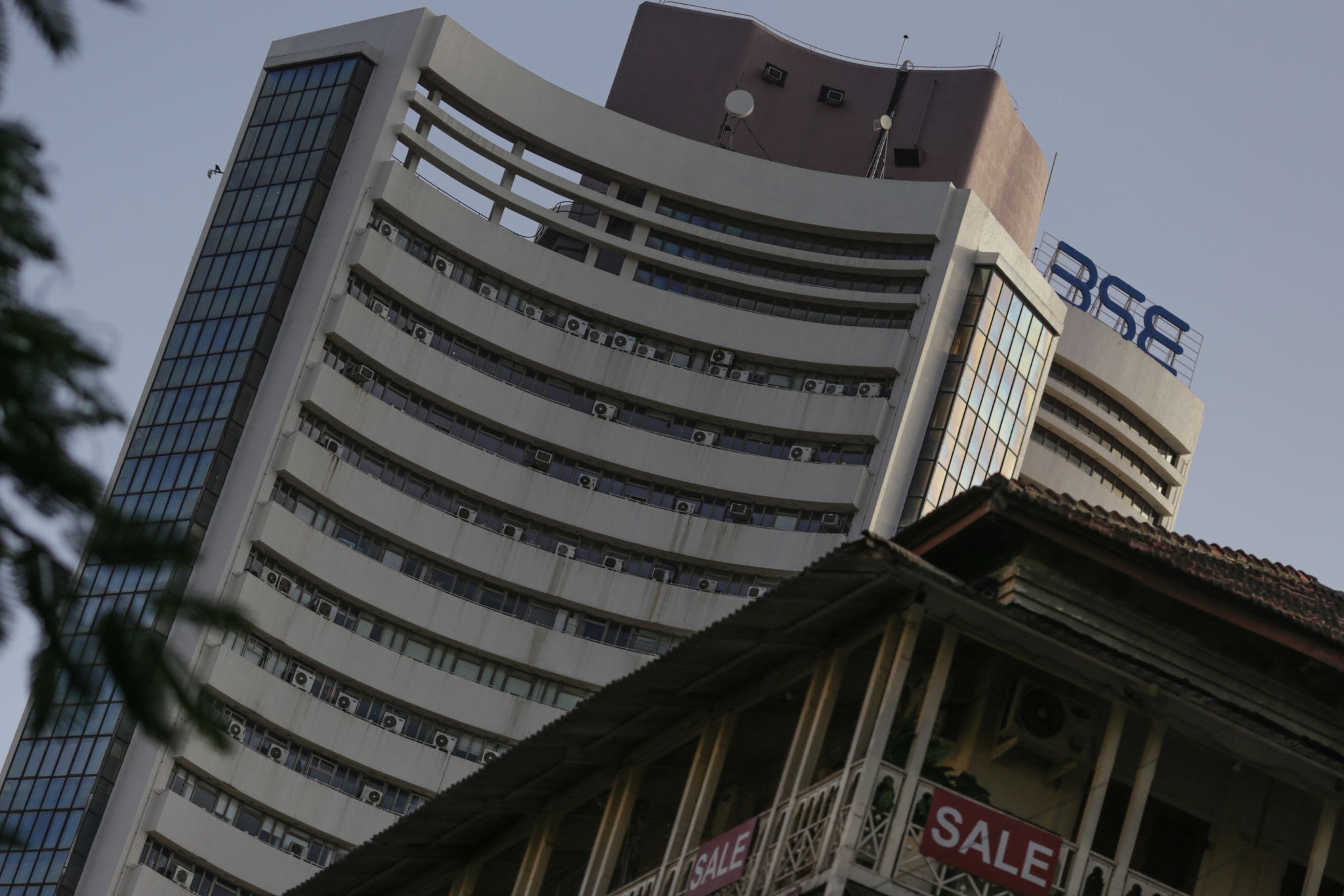
Indian stock exchanges NSE and BSE will remain closed for 10 days during August 2026. The non-trading dates comprise 10 weekend days alongside national observances like Id-E-Milad on August 26. Investors should plan liquidity, derivative expiries, and T+1 settlement cycles around the scheduled market closures.
MUMBAI — Indian equity markets will operate on a reduced calendar in August 2026, with the National Stock Exchange of India (NSE) and the BSE remaining closed for 10 days.
According to official trading circulars issued by both exchanges, the scheduled closures include 10 weekend non-trading days encompassing five Saturdays and five Sundays alongside mid-week national observances. Trading across equities, equity derivatives, currency derivatives, and interest rate derivatives will be suspended on these dates, requiring retail investors, institutional funds, and market intermediaries in Mumbai and across international financial hubs to adjust their settlement schedules accordingly.
Complete Breakdown of August 2026 Non-Trading Days
The official exchange holiday calendar confirms that equity trading will remain suspended across all five weekends in August 2026. In addition, national observances like Independence Day on Saturday, August 15, and Id-E-Milad on Wednesday, August 26, fall within the monthly schedule.
During official trading holidays, normal trading sessions including pre-open auctions, continuous order matching, and post-market block deal windows—are suspended across both major exchanges.
Impact on Commodity Derivatives and Clearing Operations
While equity and currency markets remain shut on full trading holidays, the Multi Commodity Exchange (MCX) operates under split-session schedules on designated mid-week holidays.
For the commodity segment, morning trading sessions (09:00 AM to 05:00 PM IST) are typically suspended on religious observances like Id-E-Milad, while evening sessions (05:00 PM to 11:30/11:55 PM IST) may remain open for international commodity contracts. Settlement schedules managed by clearing corporations, such as the Indian Clearing Corporation Limited (ICCL) and NSE Clearing Limited (NSCCL), will shift payment and delivery deadlines to subsequent working business days.
Official Sources Section
Exchange circulars, holiday schedules, and market timing notifications are published directly by the National Stock Exchange of India and the BSE under regulatory oversight from the Securities and Exchange Board of India.
Quote Section
"According to official exchange circulars, trading across equity, derivative, and debt market segments remains suspended on scheduled holidays and regular weekends, with clearing and settlement deadlines automatically rolling over to the next business day."
Why It Matters
Understanding the Stock Market Holiday August 2026 schedule is essential for traders, portfolio managers, and retail investors to manage liquidity, margin requirements, and derivative contract expiry dates. Because T+1 settlement cycles depend on active clearing days, planned market closures influence funds payout dates and short-term options decay strategies.
Key Facts at a Glance
Total Non-Trading Days: 10 days off in August 2026 across weekends and national observances.
Exchanges Covered: Applicable to the National Stock Exchange (NSE) and Bombay Stock Exchange (BSE).
Mid-Week Closure: Id-E-Milad falls on Wednesday, August 26, 2026.
Weekend Observance: Independence Day falls on Saturday, August 15, 2026.
Frequently Asked Questions
How many days will the Indian stock market remain closed in August 2026?
The stock market will have 10 non-trading days in August 2026, comprising regular weekend closures and mid-week holiday observances.
Is August 15 an equity trading holiday on NSE and BSE?
Yes. Independence Day on August 15, 2026, coincides with a Saturday weekend closure.
Will commodity markets like MCX remain open during stock market holidays?
MCX may run evening trading sessions on select mid-week holidays, even when equity exchanges like NSE and BSE remain closed for the full day.
Source: Official market calendars from the National Stock Exchange of India, BSE, and regulatory guidelines from the Securities and Exchange Board of India.