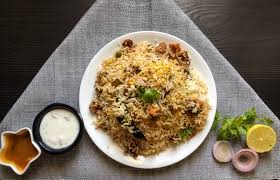
While the root word birian and slow-cooking method originated in ancient Persia, culinary historians confirm that biryani in its modern, spice-infused, layered form was created and perfected in the Mughal royal kitchens of India, leading to diverse regional variations across South Asia today
NEW DELHI — The question of which country invented biryani continues to serve as a central topic of discussion among culinary historians, food enthusiasts, and cultural researchers across South Asia and the Middle East. While popular consensus often associates the slow-cooked rice and meat delicacy exclusively with India, historical research and linguistic etymology point to a multi-country origin. Scholars confirm that the initial cooking technique originated in ancient Persia (modern-day Iran), but the complex, spice-laden dish recognized globally today was developed and refined within the Indian subcontinent.
The evolution of biryani highlights centuries of trade, migration, and royal patronage, illustrating how a modest Persian rice dish transformed into one of the most widely consumed culinary staples in global gastronomy.
Linguistic Roots and the Persian Foundation
The word "biryani" finds its origins in the Persian language. Etymologists point to the Farsi term birinj (meaning rice) and birian (meaning "fried before cooking"). In ancient Persia, chefs traditionally pan-fried raw rice in ghee or fat before simmering it slowly with meat, nuts, and mild aromatics such as saffron.
According to records from the International Culinary History Network and historical texts, this Persian method of slow-steaming rice under a sealed lid—known as dum cooking—served as the structural foundation for what would later evolve into biryani.
Trans-Continental Migration to the Mughal Royal Kitchens
The transition from a simple Persian preparation to a heavily spiced, layered dish occurred through centuries of geopolitical movement. Historical accounts suggest the dish traveled along ancient trade routes from Persia through Central Asia, entering the Indian subcontinent via merchants, travelers, and invading armies.
The most prominent development period occurred during the Mughal Empire (1526–1857) in northern and central India. Royal chefs in the imperial kitchens (matbakh khana) adapted the Persian technique by incorporating native Indian ingredients, including aromatic long-grain Basmati rice, rich yogurt marinades, and a complex array of indigenous spices like cardamom, cloves, cinnamon, and nutmeg.
Popular historical lore also links the dish's refinement to Queen Mumtaz Mahal in the 17th century, who reportedly instructed royal chefs to create a balanced, high-protein meal for malnourished soldiers, combining spiced meat and rice in a single vessel.
Regional Diversification Across South Asia
Once established in the Indian subcontinent, biryani diverged into numerous distinct regional styles, adapting to local diets, trade access, and economic conditions.
Hyderabadi Biryani: Developed under the Nizams of Hyderabad, utilizing raw marinated meat cooked together with semi-cooked rice (kacchi method).
Lucknowi (Awadhi) Biryani: Originating in Uttar Pradesh, focusing on a milder, highly aromatic profile where meat and rice are cooked separately before slow-steaming (pukki method).
Kolkata Biryani: Evolved when Nawab Wajid Ali Shah brought his royal chefs to Bengal; famously incorporates boiled potatoes and eggs alongside subtle spices.
Malabar Biryani: Created along the coastal trading hubs of Kerala, using local short-grain jeerakasala rice and coastal spices.
Official Sources
According to documented records and published research from official bodies:
The Ministry of Culture, Government of India recognizes biryani as an integral component of South Asian intangible cultural heritage, emphasizing its fusion of Persian techniques and indigenous Indian spices.
Archival entries at the National Archives of India trace written recipes for pulao and biryani to 16th- and 17th-century Mughal court chronicles, including the Ain-i-Akbari.
Official Statements
"According to culinary historians and official cultural archivists, biryani cannot be attributed to a single modern nation in isolation," research records state. "While the linguistic and initial cooking mechanics belong to historical Persia, the multi-layered, spice-driven dish consumed worldwide today was invented and matured in the royal kitchens of India."
Why It Matters
Clarifying the origins of biryani provides key insights into how historical trade networks and royal courts facilitated cultural exchange across Asia. For the modern food and hospitality industry, understanding these historical distinctions helps protect traditional culinary techniques, supports Geographical Indication (GI) tag applications for regional varieties, and informs global food heritage documentation.
Key Facts at a Glance
Linguistic Origin: Derived from the Persian word birian, meaning "fried before cooking."
Technical Foundation: Rooted in ancient Persian slow-steaming (dum) rice preparation techniques.
Culinary Perfecting: Developed into its spice-rich, layered form within the Mughal royal kitchens in India.
Global Popularity: Stands as one of the most frequently ordered dishes across South Asian delivery platforms and international restaurants.
Frequently Asked Questions
Did Iran or India invent biryani?
Iran (ancient Persia) created the foundational method of frying rice in fat and slow-cooking it (birian). However, India perfected the spiced, layered, and complex dish known as biryani today during the Mughal era.
What is the difference between Persian Birian and Indian Biryani?
Persian Birian traditionally refers to a minced meat dish served with bread or basic rice in Iran today, whereas Indian Biryani is a complex, one-pot dish of layered Basmati rice, marinated meat, yogurt, and whole spices.
What is the oldest known record of biryani in India?
Written references to rice and meat dishes appear in ancient Indian texts, but explicit recipes matching modern biryani were formally documented during the Mughal period in court texts like the Ain-i-Akbari in the 16th century.
Source: Ministry of Culture, Government of India, National Archives of India, UNESCO Cultural Heritage