Activist Sonam Wangchuk ended his 26-day hunger strike at Medanta Hospital following meetings with Union Ministers J.P. Nadda and Dr. Jitendra Singh. Prime Minister Narendra Modi urged Wangchuk to prioritize his health and regain his lost weight, as the government announced statutory reforms and fast-track courts against examination paper leaks.
GURUGRAM, India — Climate activist and educator Sonam Wangchuk ended his 26-day fast at Medanta Hospital in Gurugram on July 24, 2026, following discussions with Union Ministers J.P. Nadda and Dr. Jitendra Singh. Prime Minister Narendra Modi publicly appealed to Wangchuk to prioritize his health and regain his lost weight as the government announced new legislative measures to address examination paper leaks.
Agreement Concluded at Medanta Hospital
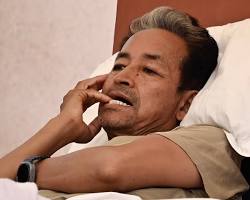
The Sonam Wangchuk hunger strike, which began on June 28 at Jantar Mantar in New Delhi, concluded in the presence of senior Cabinet ministers and representatives of the Apex Body of Leh Ladakh. Wangchuk had been transferred to Medanta Hospital in Gurugram under court directions after doctors noted severe physiological decline and significant weight loss.
In a public statement released shortly after breaking his fast, Wangchuk confirmed that negotiations with government officials yielded mutual terms. He stated that his decision to conclude the hunger strike was driven by a commitment to prevent public unrest and maintain non-violent advocacy.
Prime Minister's Health Appeal and Policy Response
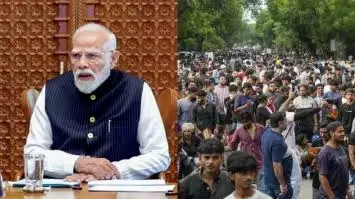
Prime Minister Narendra Modi extended a personal message to the activist following the conclusion of the fast, urging him to follow medical guidance.
"I urge Sonam ji to follow his daily routine as advised by the doctors and regain his weight as soon as possible. I pray to the Almighty that Sonam ji remains healthy," Prime Minister Narendra Modi stated.
Addressing the central grievances that prompted the Sonam Wangchuk hunger strike, Prime Minister Modi confirmed that the Union Cabinet would review a proposed draft law aimed at eliminating examination irregularities. The upcoming draft legislation includes provisions for dedicated fast-track courts and enhanced penal measures for individuals involved in paper leak networks.
Medical Status and Health Monitoring
Medical bulletins issued during the course of the Sonam Wangchuk hunger strike indicated significant physical deterioration. Over the 26-day duration, Wangchuk lost approximately 11 kilograms, with clinical reports noting recurrent hypoglycemia and lowered blood pressure.
Attending physicians at Medanta Hospital confirmed that Wangchuk remains under continuous medical monitoring to manage refeeding protocols safely and prevent metabolic complications.
| Health Parameter | Status at Fast Conclusion |
| Duration of Fast | 26 Days |
| Total Weight Loss | Approximately 11 kg |
| Primary Care Facility | Medanta Hospital, Gurugram |
| Key Attending Officials | Union Minister J.P. Nadda, Union Minister Dr. Jitendra Singh |
Impact on Students and National Policy
The conclusion of the Sonam Wangchuk hunger strike marks a pivotal shift toward legislative reform in India's competitive examination framework. For millions of candidates participating in national entrance tests, the proposed anti-paper leak bill represents a structural effort to restore procedural transparency and eliminate institutional vulnerabilities.
Official Sources Section
According to official releases from the Prime Minister's Office, statements issued by the Ministry of Health and Family Welfare, updates from Medanta Hospital, and public declarations by the Apex Body of Leh Ladakh, the government has committed to introducing statutory reforms during the parliamentary session.
Quote Section
According to officials present at the meeting, Union Minister J.P. Nadda affirmed:
"The government remains fully committed to safeguarding the interests of the youth and ensuring the total integrity of our national examination system".
Why It Matters
The resolution of the Sonam Wangchuk hunger strike prevents potential escalating civil unrest while accelerating federal legislation regarding examination security. Students and educational institutions will see structural changes through fast-track judicial mechanisms designed to resolve paper leak prosecutions expediently.
Key Facts at a Glance
Duration: Sonam Wangchuk completed a 26-day hunger strike from June 28 to July 24, 2026.
Location: Fast concluded at Medanta Hospital in Gurugram, Haryana.
Government Representation: Union Ministers J.P. Nadda and Dr. Jitendra Singh met the activist to conclude negotiations.
Prime Minister's Message: PM Narendra Modi urged Wangchuk to focus on recovery and regain lost weight.
Legislative Action: The Union Cabinet will introduce a bill establishing fast-track courts and severe penalties for exam paper leaks.
Frequently Asked Questions (FAQ)
Why did Sonam Wangchuk begin a hunger strike?
Wangchuk initiated the hunger strike to demand central accountability, systemic reforms in national competitive examination processes, and strict action against examination paper leak networks.
Where did Sonam Wangchuk break his fast?
He ended his fast at Medanta Hospital in Gurugram in the presence of Cabinet ministers and representatives of the Apex Body of Leh Ladakh.
What was Prime Minister Modi's response to the event?
Prime Minister Narendra Modi publicly wished Wangchuk a swift recovery, advised him to regain his health under medical supervision, and announced new anti-paper leak legislation.
What legislative changes were announced by the government?
The government announced a comprehensive bill creating fast-track courts and tougher penalties for individuals participating in competitive exam paper leaks.
Source: Prime Minister's Office (PMO) official communications, Ministry of Parliamentary Affairs updates, Medanta Hospital medical bulletins, official X handles of PM Narendra Modi and Sonam Wangchuk.