Nepal's Ministry of Foreign Affairs announced that the government will give continuity to high-level visits based on national diplomatic and economic needs. Spokesperson Lok Bahadur Paudel Chhetri confirmed that official foreign visits and political delegation facilitations will proceed under established protocols, alongside expanded economic diplomacy efforts across 20 countries.
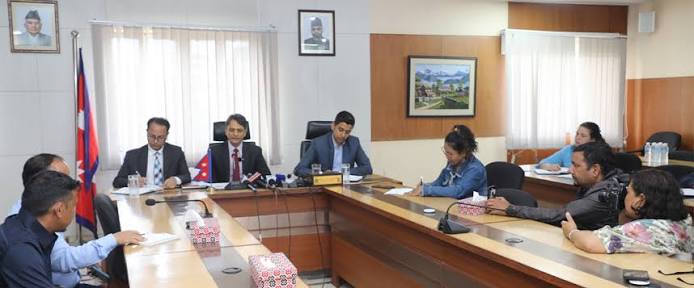
KATHMANDU — Nepal's Ministry of Foreign Affairs (MoFA) announced on Friday, July 24, 2026, that the government will give continuity to high-level visits based on national interest and diplomatic requirements. Speaking at a regular press conference in Kathmandu, Ministry Spokesperson Lok Bahadur Paudel Chhetri confirmed that official foreign engagements and exchange visits will proceed according to established diplomatic protocols to strengthen relations with all friendly nations.
This announcement comes as Nepal intensifies its bilateral economic diplomacy and evaluates party-level and official delegation requests for overseas visits. By prioritizing high-level visits, the government aims to expand international trade, attract foreign direct investment, and address unresolved bilateral issues with strategic global partners.
Diplomatic Facilitation and Party-Level Exchanges
Addressing queries regarding upcoming international travel by political leaders, the ministry clarified its role in facilitating overseas engagements. Spokesperson Chhetri noted that MoFA stands ready to provide necessary diplomatic coordination whenever formal requests are submitted by political entities.
Regarding requests such as potential foreign trips by Rastriya Swatantra Party (RSP) Chairman Rabi Lamichhane, the ministry affirmed that party-to-party visits remain internal matters for the respective organizations, but government facilitation will be granted on a formal diplomatic basis whenever requested.
Prioritizing Economic Diplomacy and Regional Ties
The continuation of high-level visits aligns with a broader push by the Nepalese government to overhaul its foreign policy guidelines. MoFA disclosed that country-specific economic strategies have been prepared for 20 nations to boost trade and commercial ties.
Key developments highlighted by the ministry include:
Economic Strategy Guidelines: Revisions to the Guidelines on Economic Diplomacy Programmes (2071 BS) to modernize outreach through diplomatic channels.
Bilateral Consultation: The conclusion of the Third Meeting of the Bilateral Consultation Mechanism between Nepal and Australia in Kathmandu to deepen bilateral cooperation.
Trade Logistics: The operationalization of the Kolkata-Biratnagar Railway Cargo Transport Service to facilitate cross-border trade.
Gurkha Grievances: Ongoing virtual talks between Foreign Minister Shisir Khanal and UK Secretary of State for Defence Dan Jarvis regarding longstanding British Gurkha issues.
Impact on Citizens, Businesses, and Investors
For businesses and investors, the government's commitment to continuity in high-level visits provides policy stability and opens avenues for bilateral trade agreements. Designating economic focal points across Nepal's embassies worldwide is expected to streamline export inquiries and commercial partnerships. For the Nepalese diaspora, active diplomatic channels help ensure worker safety and consular support in key employment destinations across West Asia and beyond.
Official Sources
According to official press briefings and announcements from diplomatic authorities:
The Ministry of Foreign Affairs, Nepal confirmed that high-level visits will be conducted in accordance with diplomatic norms and national priorities.
Official statements released through The Rising Nepal detail the Ministry's country-specific economic strategies across 20 partner countries.
Official Quotes
Addressing journalists in Kathmandu, Ministry Spokesperson Lok Bahadur Paudel Chhetri stated:
"The government will give continuity to high-level visits as per the country's need while strengthening friendly relations with all nations on the basis of equality and mutual respect. If there arises a situation where coordination or diplomatic facilitation from the Ministry of Foreign Affairs is required, the Ministry will provide necessary assistance."
Why It Matters
High-level foreign visits serve as the primary vehicle for executing national foreign policy, securing foreign aid, and negotiating trade frameworks. By maintaining a clear protocol for state and party-level international travel, Nepal reinforces its non-aligned, economic-first foreign policy stance while ensuring that diplomatic resources are deployed where they deliver measurable national benefits.
Key Facts at a Glance
Policy Stance: Nepal's foreign ministry confirmed continuity for necessary high-level international visits.
Economic Focus: 20 country-specific economic diplomacy strategies actively implemented.
Party Travel: MoFA will provide diplomatic facilitation for political leaders upon official request.
Bilateral Engagements: Active talks underway with Australia, the United Kingdom, and regional neighbors.
Frequently Asked Questions
Why is Nepal giving continuity to high-level visits?
The Ministry of Foreign Affairs emphasized that high-level visits are essential for advancing economic diplomacy, expanding bilateral trade, and maintaining balanced relations with partner countries.
Does the Foreign Ministry facilitate foreign trips for political party leaders?
Yes. While political visits are organized by respective parties, MoFA provides diplomatic clearance and coordination when formally requested.
How is Nepal enhancing its economic diplomacy?
Nepal has developed targeted economic strategies for 20 countries, updated its economic diplomacy guidelines, and designated focal points across its international embassies.
Source: Ministry of Foreign Affairs, Nepal, The Rising Nepal, MyRepublica