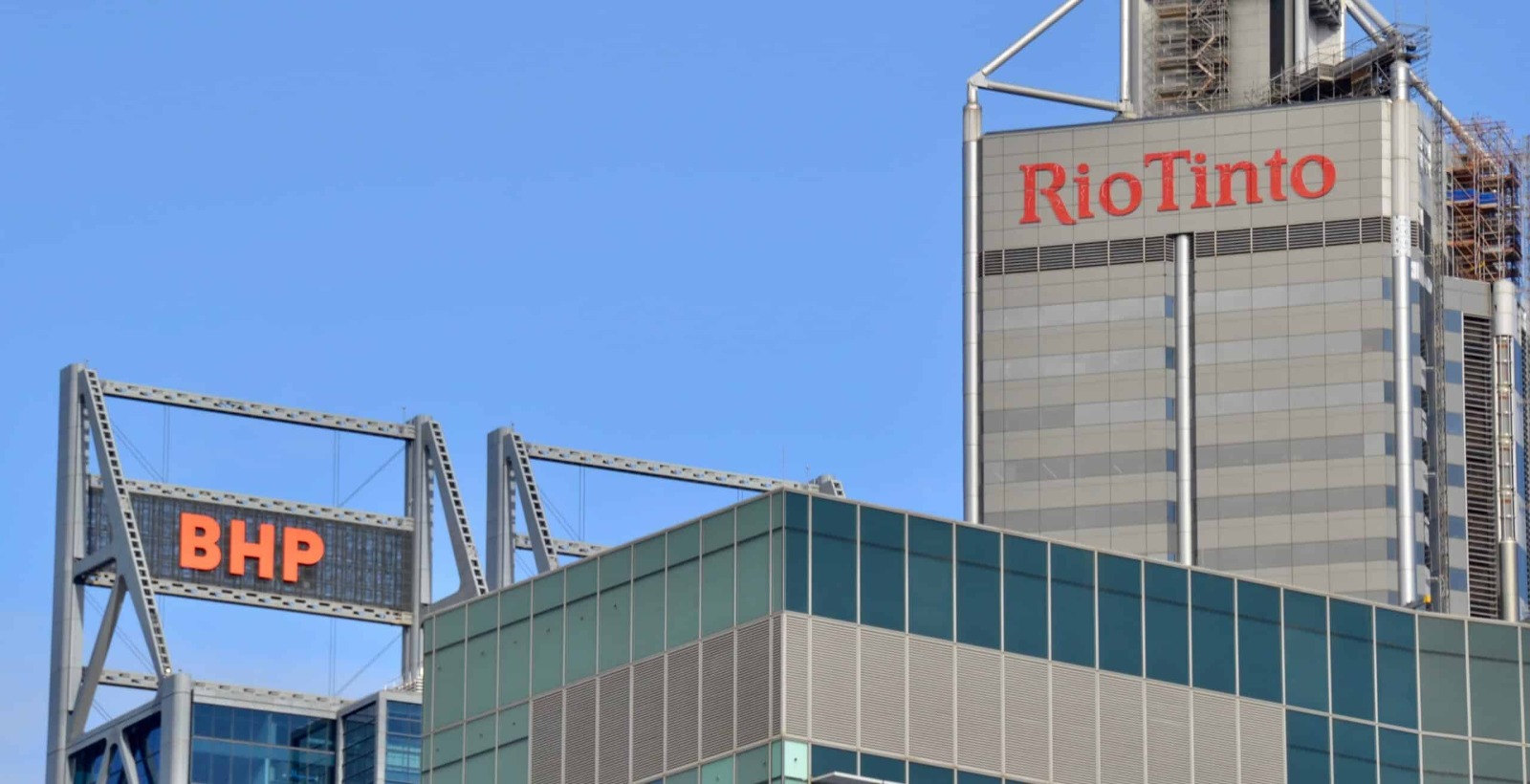
Mining majors BHP and Rio Tinto have highlighted India as the next primary growth driver for the global steel industry, helping offset slowing demand in China. Driven by intensive urbanization and a target to reach 500 million tonnes of steel capacity by 2047, India’s expansion is reshaping global iron ore and metallurgical coal trade routes.
SINGAPORE — Global mining conglomerates BHP Group and Rio Tinto Plc have officially identified India as the next primary engine of growth for the global steelmaking sector. Speaking at the Singapore International Ferrous Week on June 16, 2026, senior commercial executives from both multinational resource entities confirmed that India’s rapid industrial expansion and aggressive sovereign infrastructure pipelines are creating a multi-decade demand cushion. This strategic realignment comes as China’s historic property-led economic super-cycle undergoes a permanent, structural cooling phase.
The announcements by the world's largest basic material suppliers highlight a fundamental geographical shift in cross-border commodity trade. While China remains the largest aggregate raw material consumer by volume, the capital allocation plans of the world's largest iron ore miners are increasingly turning toward the Indian subcontinent. Heavy domestic infrastructure investments, urban manufacturing corridors, and a low per-capita steel consumption base are transforming India into a key structural demand center for global metallurgical coal and iron ore supply chains.
Indian Steelmakers Expand Smelting Capacity
According to presentation briefs delivered at the ferrous metal summit, the growth of India's heavy manufacturing infrastructure is already backed by corporate capital expenditures. Commercial indicators demonstrate that prominent domestic steelmakers are actively expanding their processing capacities to align with long-term infrastructure mandates outlined by the central government.
The scale of this long-term industrial target is substantial. The government in New Delhi has established a policy target of scaling raw steel production capacity to 500 million tonnes by 2047 nearly triple the 165 million tonnes processed over the previous fiscal cycle.
While this terminal projection still sits below China’s current stabilized baseline of 961 million tonnes, India’s lower starting baseline offers a unique global growth runway. India's domestic per-capita steel usage stands at approximately 90 kilograms per person annually, far below China’s peak intensity of roughly 600 kilograms, signaling massive room for structural consumption growth.
Global Supply Chains and Resource Depletion Risks
The projected expansion across the Global South is expected to place significant technical stress on raw material extraction markets over the next decade. Mining advisory panels note that traditional source fields are encountering declining ore quality and natural operational exhaustion, requiring substantial new capital investments just to maintain current global supply lines.
| Mining Conglomerate | Core Operational Asset Focus | Primary India Inflow Target |
| BHP Group Limited | Future-facing metals, copper, iron ore | Metallurgical coal supply doubling |
| Rio Tinto Plc | High-grade iron ore, lithium, copper | Global South iron ore long-term contracts |
Rio Tinto's commercial planning desks estimate that the global metals market will require approximately 950 million tonnes of completely new iron ore capacity over the coming decade. This capacity injection is needed both to feed expanding production lines in India and ASEAN nations and to counter the physical depletion of active operational mines globally.
For global commodity markets, these factors indicate a tighter, more resilient pricing structure for iron ore than previous conservative financial forecasts had anticipated.
Official Sources Section
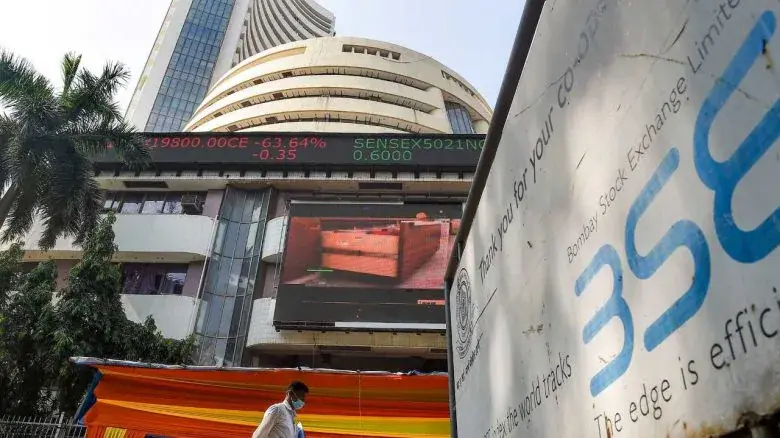
The corporate strategy insights, volume estimates, and consumption metrics cited in this dispatch are compiled from formal presentations delivered at the Singapore International Ferrous Week conference. Statistical production baselines and long-term industrial targets correspond to public policy briefs archived by the Ministry of Steel and structural transaction trackers monitored via the National Stock Exchange of India (NSE).
Quote Section
"According to officials and presentation summaries recorded at the Singapore summit, all key clients across the Indian market are actively doubling processing capacity, verifying that this industrial transformation is an active structural phenomenon rather than a distant statistical model."
Why It Matters
The strategic alignment of major global miners with India’s heavy industry has practical implications for corporate infrastructure builders, industrial real estate developers, and national energy planners. A steady, predictable supply of primary metallurgical inputs helps insulate local engineering companies from sudden, international price spikes. For common citizens, a robust domestic steel sector helps lower construction costs for public transit, highways, and high-density urban residential complexes.
Key Facts at a Glance
Growth Re-routing: BHP and Rio Tinto expect surging demand from India and ASEAN nations to offset stagnant growth in China's property sector.
Ambitious Target: The Indian government is targeting a raw steel processing capacity of 500 million tonnes by 2047, up from 165 million tonnes.
Capacity Void: The global mining sector requires about 950 million tonnes of new iron ore capacity over the next decade to satisfy emerging centers and offset mine depletion.
Consumption Gap: India's current per-capita steel consumption sits near 90 kilograms per person, leaving an expansive headroom margin compared to international averages.
Frequently Asked Questions
Why are global mining giants shifting focus toward India now?
The traditional driver of global steel demand China's real estate construction boom is structurally slowing down. Miners need a large, alternative growth market to anchor long-term supply contracts, and India's state-backed infrastructure push fits this profile perfectly.
Can India fully replicate China’s past steel consumption volumes?
No. Global analysts emphasize that India is acting as an incremental growth driver rather than a complete volume replacement for China. China remains the world's dominant raw material buyer by a large margin, but India represents the fastest-growing demand source.
What primary raw materials does India need to import to meet its steel targets?
While India has substantial domestic iron ore reserves, it is highly dependent on foreign imports for high-grade metallurgical (coking) coal. This makes the country an essential strategic client for global diversified mining corporations like BHP.
Source: