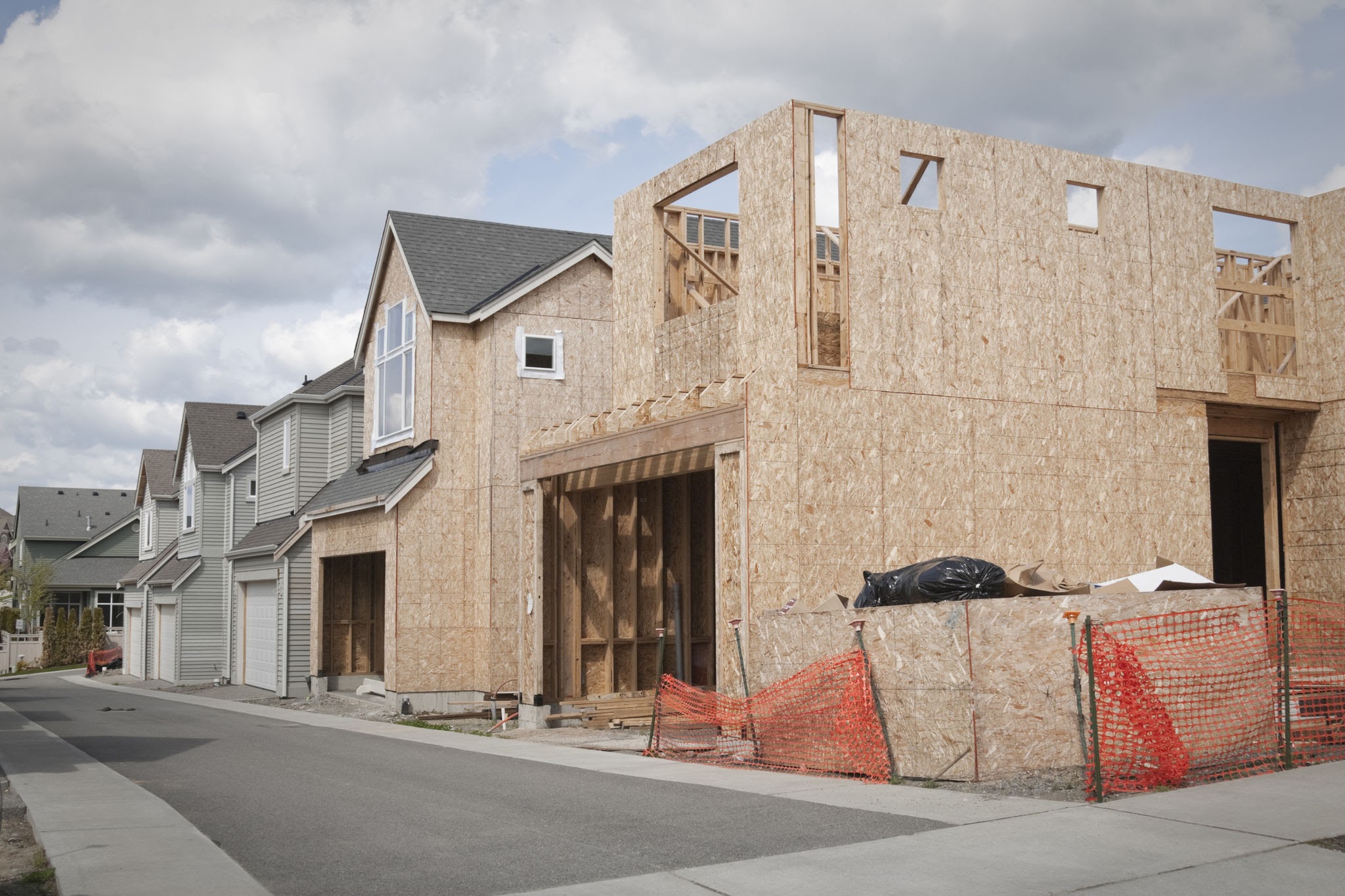
The U.S. House has passed an amended version of the 21st Century ROAD to Housing Act, moving the first major housing bill in 16 years toward final approval. The bipartisan compromise streamlines environmental permitting, rewards local zoning reforms, and caps single-family home acquisitions by large institutional corporate investors to lower consumer costs.
WASHINGTON — Congress has advanced its first comprehensive, bipartisan housing package in 16 years, moving a multi-billion-dollar framework closer to enactment as soaring home prices and supply shortages pressure millions of families. The U.S. House of Representatives overwhelmingly passed an amended version of the 21st Century ROAD to Housing Act, establishing a critical legislative vehicle designed to modernize federal housing assistance and expedite new construction.
The wide-ranging bill now returns to the U.S. Senate for final reconciliation. The initiative represents a rare moment of substantial bicameral cooperation, coming on the heels of a targeted White House executive order aimed at stabilizing neighborhood real estate markets for entry-level buyers.
The Push to Expand the National Housing Supply
The central pillar of the revised 21st Century ROAD to Housing Act is a concentrated effort to eliminate persistent regulatory bottlenecks that have stalled new home development for nearly two decades. The package incorporates structural changes to environmental and local municipal guidelines to rapidly boost inventory.
According to a detailed legislative analysis by the Bipartisan Policy Center (BPC), the bill contains dozens of sections designed to streamline the National Environmental Policy Act (NEPA) review process. By expanding categorical exclusions for federally supported residential projects, developers can bypass lengthier administrative delays.
Key Supply Upgrades Passed in the House:
Zoning Reform Incentives: Directs the Department of Housing and Urban Development (HUD) to publish best practices and frameworks for local zoning authorities to promote flexible land use.
Pre-Reviewed Housing Designs: Authorizes grants for local governments to implement pre-approved architectural blueprints for accessory dwelling units (ADUs), duplexes, and townhomes.
Point-Access Block Guidelines: Orders HUD to establish structural standards permitting residential buildings with a single internal stairway up to five stories, a move meant to cut urban construction costs.
Restrictions Placed on Large Institutional Investors
A major point of negotiation between the chambers involves how to manage large corporate buying within the single-family housing market. Both versions of the act create a landmark prohibition on the purchase of single-family homes by large institutional investors, defined as for-profit legal entities managing or owning single-family real estate portfolios.
Under the initial Senate text co-sponsored by Senators Tim Scott and Elizabeth Warren, corporate entities owning 350 or more properties would face strict caps and a mandatory seven-year forced divestiture rule on build-to-rent projects.
However, the recently amended House version removed the seven-year resale requirement, a modification strongly praised by housing providers. Industry groups, including the National Multifamily Housing Council (NMHC), noted that eliminating the forced-sale provision prevents an accidental drop in alternative rental options for working families. Instead of forced sales, the House version introduces rigorous annual notification requirements, forcing institutional firms to report the location and status of every home under their control directly to HUD.
Practical Impact on Citizens, Builders, and Cities
For average consumers and first-time homebuyers, the bill aims to stabilize home prices, which have climbed roughly 50% nationwide since 2020. By expanding Community Development Block Grant (CDBG) allowances to directly fund affordable housing construction, lower-income families stand to gain immediate regional inventory.
For real estate developers and local banks, the act raises the statutory cap on bank public welfare investments from 15% to 20%, unlocking billions in private capital for municipal development projects. The legislation also establishes a HUD whole-home repair pilot program to distribute forgivable loans to low-income property owners for vital structural safety upgrades.
Official Sources Section
The components of the 21st Century ROAD to Housing Act reflect data and formal positions collected from multiple official agencies and trade groups:
U.S. House Financial Services Committee: Led by Chairman French Hill and Ranking Member Maxine Waters, the committee managed the bipartisan amendments.
Bipartisan Policy Center (BPC Action): Provided polling data showing that 79% of registered voters prioritize federal action on housing costs.
National Association of Home Builders (NAHB): Released formal statements detailing how updated FHA multifamily loan limits will spur apartment development.
Quote Section
"According to officials and industry representatives, this amended compromise represents a balanced, once-in-a-generation opportunity to aggressively scale the nation's housing stock while reducing the bureaucratic hurdles that have historically driven up developer overhead."
Why It Matters
The prolonged freeze in the American real estate market—characterized by elevated mortgage rates and historically low inventory—has made housing affordability a top economic vulnerability for citizens. If successfully guided through final Senate confirmation and signed by the President, this act will provide the first major systemic rewrite of federal housing strategies since 1990, moving away from temporary subsidies toward permanent structural supply fixes.
Key Facts at a Glance
Bipartisan Milestone: This is the first major comprehensive federal housing package to pass both chambers in 16 years.
Investor Caps: The bill establishes a definitive federal boundary blocking large corporate buyers from buying additional single-family homes if they exceed the institutional threshold.
CDBG Update: For the first time, local jurisdictions can utilize standard Community Development Block Grant allocations explicitly to construct new affordable housing units.
Zoning Pressure: HUD is mandated to release a national framework to push cities to relax restrictive single-family zoning rules in favor of high-density options.
FAQ Section
Q: Will this bill force large corporations to sell the houses they already own?
A: No. The institutional investor purchasing restrictions contain a grandfather clause. Properties acquired before the effective date—180 days post-enactment—are exempt from mandatory divestment under the final House compromise.
Q: How does this legislation make building cheaper for construction companies?
A: The act speeds up local development by expanding categorical exclusions under environmental reviews (NEPA) and rewarding cities that adopt pre-reviewed housing designs for duplexes and multi-unit complexes.
Q: What is a point-access block building, and why is it in a federal housing bill?
A: It refers to a residential architectural layout featuring a single central staircase rather than multiple long corridors. The bill directs HUD to create safe guidelines for these structures up to five stories to help developers build more units on smaller urban lots.
Q: When will the 21st Century ROAD to Housing Act officially become law?
A: Because the House amended the original Senate bill, the legislation must return to the Senate floor for a final vote or go to a conference committee to resolve minor reporting differences before heading to the President's desk.
Source: U.S. House Financial Services Committee Press Repository, Bipartisan Policy Center Housing Policy Database.