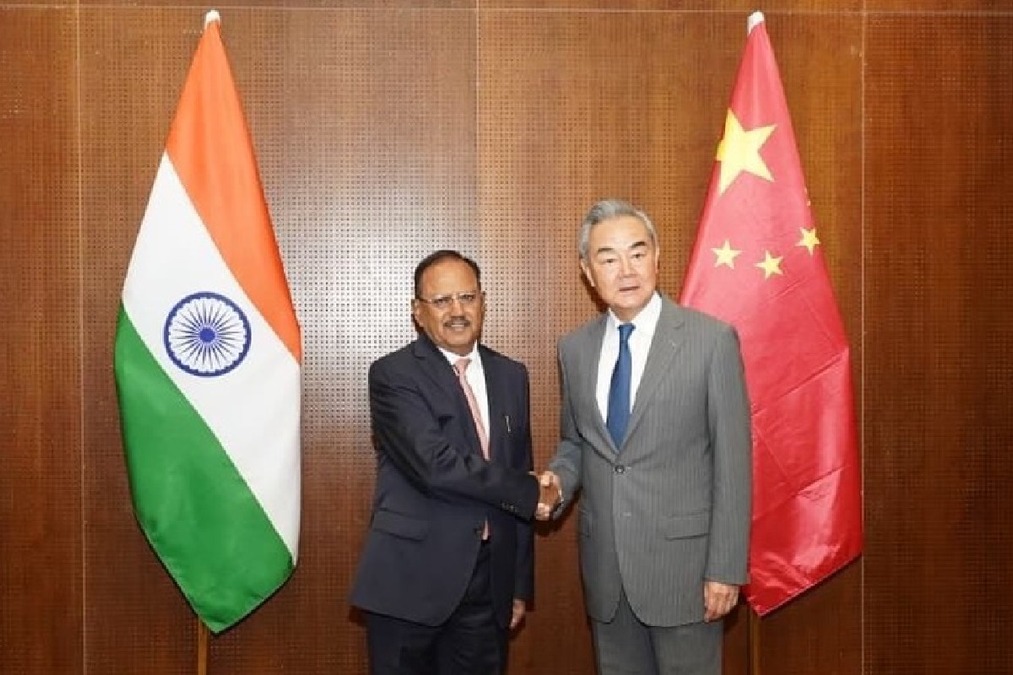
Chinese Foreign Minister Wang Yi and Indian NSA Ajit Doval are co-chairing the 25th round of India-China Special Representatives boundary talks in Beijing on August 25, 2026. According to official announcements, the high-level dialogue focuses on border management and stabilizing bilateral relations ahead of upcoming multilateral summits.
Chinese Foreign Minister Wang Yi and Indian National Security Advisor Ajit Doval are set to co-chair the 25th round of Special Representatives talks in Beijing on August 25, 2026.
Strategic Diplomatic Engagement and Border Management
The Special Representatives mechanism, established in 2003, serves as the primary high-level channel for addressing the complex boundary dispute across the 3,488-kilometer India-China frontier. According to official disclosures, Mr. Doval arrived in Beijing on August 24 for a two-day visit at the invitation of Mr. Wang, following recent discussions held under the Working Mechanism for Consultation and Coordination (WMCC) on border affairs.
Both sides have repeatedly emphasized that maintaining stability and tranquility along the border remains an essential prerequisite for normalizing broader bilateral ties. International relations analysts note that the talks provide a critical platform to address troop positioning, disengagement protocols, and strategic confidence-building measures following years of strained diplomatic engagement. In addition to his meeting with Mr. Wang, the Indian National Security Advisor is scheduled to call on Chinese Vice President Han Zheng during the visit.
Broader Economic and Geopolitical Implications
The 25th round of boundary discussions carries substantial weight for regional stability, global supply chains, and economic cooperation between two of Asia's largest economies. Stakeholders, investors, and corporate leaders closely monitor these diplomatic exchanges, as any sustained easing of geopolitical friction directly impacts trade regulations, visa approvals, and cross-border commercial ventures.
Furthermore, the timing of the dialogue—weeks before India hosts the BRICS Summit—has fueled expectations regarding potential high-level bilateral meetings between President Xi Jinping and Prime Minister Narendra Modi. Both capitals face mounting strategic incentives to manage differences constructively and establish predictable frameworks for bilateral engagement.
Quote Section
"According to officials, the Special Representatives talks provide an essential diplomatic avenue to review boundary management, uphold border tranquility, and navigate the broader trajectory of bilateral relations."
Why It Matters
For regional stability, international commerce, and diplomatic diplomacy, active dialogue between India and China helps mitigate military escalation risks along contested borders. A stable frontier fosters predictable economic conditions for businesses and sets the stage for constructive multilateral cooperation.
Key Facts at a Glance
Event: 25th round of Special Representatives talks on the India-China boundary question.
Co-Chairs: Chinese Foreign Minister Wang Yi and Indian National Security Advisor Ajit Doval.
Location: Beijing, China.
Date: August 25, 2026.
Context: Precedes the upcoming BRICS Summit and addresses ongoing management of the Line of Actual Control (LAC).
FAQ Section
What is the purpose of the Special Representatives talks?
Established in 2003, the SR mechanism is designed to comprehensively address the long-running boundary dispute and oversee border management between India and China.
Who are the designated Special Representatives for the talks?
India is represented by National Security Advisor Ajit Doval, while China is represented by Foreign Minister and Politburo member Wang Yi.
Why is the 25th round of talks particularly significant?
The meeting takes place ahead of the upcoming BRICS Summit in India, serving as a key diplomatic milestone to evaluate border stability and discuss potential high-level leadership engagements.
Where can official updates regarding the talks be accessed?
Official communiqués and statements are published regularly by the Ministry of External Affairs India and the Chinese Foreign Ministry.
Source: Ministry of External Affairs India, The Hindu, Indian Express