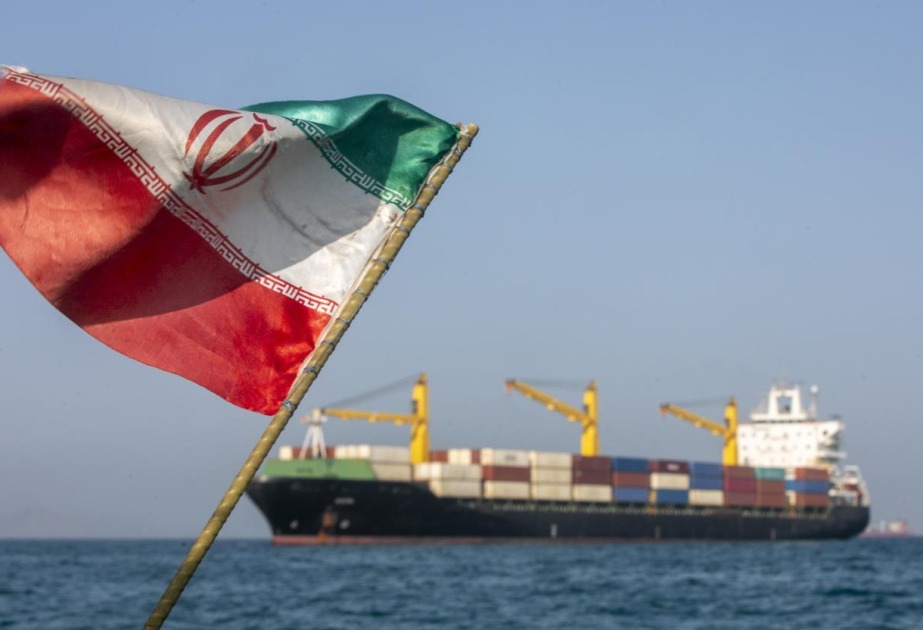
Iran's Persian Gulf Strait Authority warned that commercial vessels violating Strait of Hormuz transit rules face severe penalties, including fines, detention, or outright confiscation. Authorities urged charterers to verify compliance registries, noting that secondary partners engaging in ship-to-ship transfers with blacklisted vessels will also face immediate restrictions.
Iran's Persian Gulf Strait Authority warns that vessels violating transit rules in the Strait of Hormuz face severe financial penalties and confiscation.
Expanding Scrutiny and Enforcement in the Strait of Hormuz
The newly enacted enforcement guidelines introduce a formal "Non-Compliant Vessels" (NCV) list, requiring international shipping operators and cargo owners to cross-reference registry details before chartering tonnage to or from the Persian Gulf. According to official PGSA releases, the punitive measures are not limited to direct rule-breakers; secondary cooperation—such as ship-to-ship (STS) transfers and transshipment activities involving blacklisted vessels—will also trigger immediate secondary designations.
Maritime analysts note that these regulations add complex compliance layers for global energy transporters, shipowners, and marine insurers. Under the updated protocols, vessel operators seeking removal from the restriction list must submit a formal application complete with written justifications to the regulatory authority. This maritime policy update coincides with ongoing regional tensions and discussions regarding navigational protocols across strategic Middle Eastern waterways.
Practical Impact on Global Trade, Shipping, and Energy Markets
For international energy markets, shipping lines, and commodity traders, the strict enforcement stance elevates operational and financial risks. The Strait of Hormuz handles a vast share of global petroleum and liquefied natural gas (LNG) shipments, making transit predictability vital for international commerce.
Shipping companies, charterers, and supply chain managers must now monitor official regulatory updates closely to prevent asset seizures, schedule disruptions, or severe financial liabilities. Furthermore, energy investors continue to evaluate how evolving geopolitical and regulatory frictions across the Persian Gulf might influence global crude pricing and freight insurance premiums.
Quote Section
"According to officials, vessels violating Iranian protocols for the Strait of Hormuz shall face restrictions on future passages, including fines, detention, or confiscation."
Why It Matters
For global shipping firms, oil refiners, and international traders, compliance with transit protocols in the Strait of Hormuz is essential to avoid multimillion-dollar losses, vessel confiscations, and supply chain delays. Navigating these heightened regulatory frameworks directly influences global energy distribution and maritime safety.
Key Facts at a Glance
Governing Body: Persian Gulf Strait Authority (PGSA).
Target Area: Strait of Hormuz international shipping corridor.
Enforcement Actions: Fines, vessel detention, seizure, or outright confiscation.
Secondary Sanctions: Ships engaging in transshipment or STS operations with blacklisted vessels are subject to immediate inclusion.
FAQ Section
What penalties do vessels face for violating Strait of Hormuz transit rules?
According to the Persian Gulf Strait Authority, non-compliant vessels face financial fines, formal detention, seizure, or confiscation during subsequent passage attempts.
How can cargo owners check if a vessel is blacklisted?
Cargo owners and charterers are advised to consult the official "Non-Compliant Vessels" registry hosted on the PGSA platform before finalizing charter agreements.
Do secondary partners face restrictions under the new rules?
Yes, any vessel cooperating with listed ships via ship-to-ship (STS) transfers or transshipment activities will also be added to the restrictive compliance list.
How can a vessel be removed from the non-compliant registry?
Operators must submit a formal application accompanied by valid justifications directly to the Persian Gulf Strait Authority for review.
Source: Persian Gulf Strait Authority, IRNA, Ports and Maritime Organization Iran