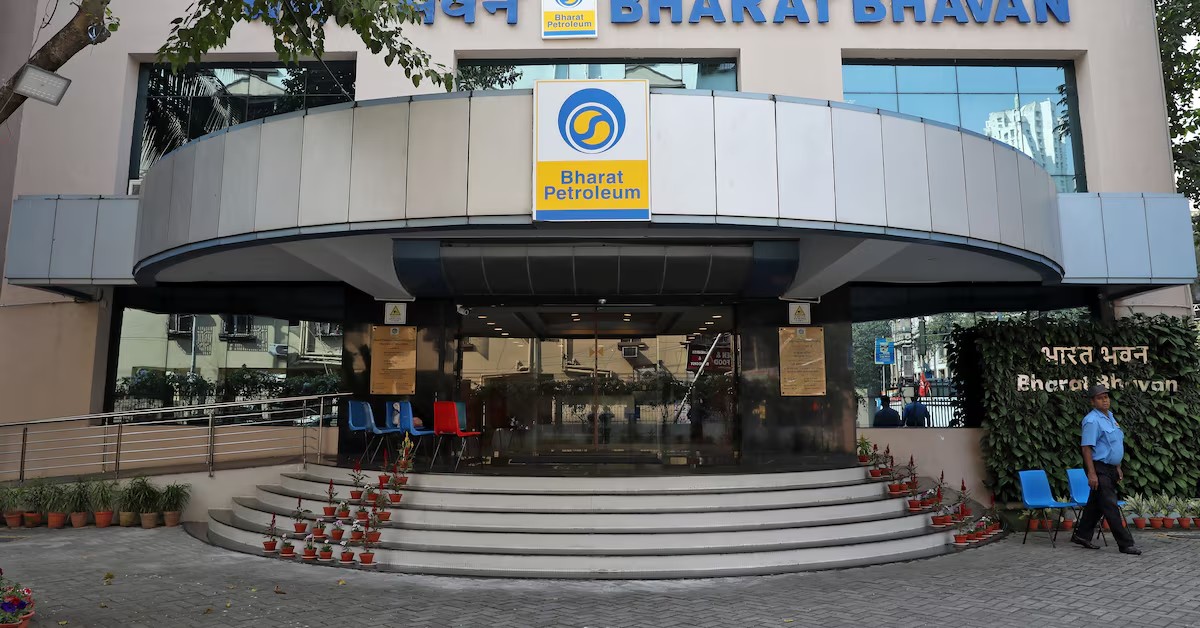
Bharat Petroleum Corporation Limited plans to shut down a 120,000 bpd crude unit and several secondary units at its Mumbai refinery for scheduled maintenance in September and October 2026. The three-to-four-week turnaround aims to upgrade infrastructure reliability, with inventory buffers prepared to keep consumer fuel supplies steady.
MUMBAI, INDIA — Bharat Petroleum Corporation Limited (BPCL) plans to temporarily shut down a major 120,000 barrels per day (bpd) crude distillation unit and several secondary processing units at its Mumbai refinery for scheduled maintenance. According to an industry source speaking on Monday, June 8, 2026, the extensive turnaround operation is slated to take place over a three-to-four-week period between September and October 2026. This development is highly important today as the temporary reduction in processing capacity at one of India's primary fuel hubs could tighten regional petroleum product availability ahead of the peak festive demand season.
Planned Turnaround to Affect Core Processing Lines
The upcoming maintenance shutdown at the Mahul, Mumbai facility represents a vital infrastructure lifecycle update for the state-run oil marketing company. To maintain optimal operating safety and comply with environmental mandates, mega-refineries must periodically de-inventory and inspect their heavy distillation towers and high-pressure chemical reactors.
An industry source revealed that the core of the maintenance window will involve taking the 120,000 bpd crude distillation unit completely offline. This unit serves as the initial intake point for raw petroleum, separating crude oil into baseline fractions like naphtha, kerosene, gasoil, and heavy residues. Simultaneously, multiple secondary processing units—which typically include hydrocrackers, fluid catalytic crackers, or desulfurization blocks—will be halted to undergo mandatory catalyst replacements, structural integrity tests, and piping overhauls.
Balancing Fuel Inventories Ahead of Autumn Demand
The timing of the three-to-four-week maintenance shutdown is carefully positioned during the shoulder months of September and October. This period historically experiences a brief slowdown in domestic fuel consumption due to the monsoon withdrawal across northern and western states, right before agricultural and festive transport activities accelerate in late autumn.
By scheduling the maintenance window during these weeks, refinery managers aim to minimize shocks to the domestic supply chain. However, because the Mumbai plant supplies a substantial volume of transportation fuels to western and central India, the corporate logistics desk will need to build up buffer stocks across regional storage depots to ensure stable retail distribution.
Impact on Consumers, Transporters, and Energy Investors
For Retail Fuel Consumers and Motorists
Ordinary citizens and daily commuters are unlikely to see immediate supply shortages at retail fuel pumps. State-run oil marketing companies generally coordinate production drawdowns, meaning alternative facilities or stored commercial reserves will fill the output gap to keep gasoline and diesel readily available.
For Industrial Transporters and Commercial Businesses
Commercial logistics firms and heavy freight companies can expect stable wholesale fuel pricing, provided other domestic refiners do not experience unexpected, concurrent breakdowns. If inventory levels run low, the state corporation might adjust its regional product swapping arrangements to prevent localized delivery delays.
For Capital Market Investors and Stockholders
Energy analysts view planned maintenance turnarounds as necessary short-term headwinds that support long-term corporate asset health. While the temporary three-to-four-week reduction in crude processing volumes will slightly lower the refinery's total throughput metrics for the third quarter of the fiscal year, preventing unscheduled technical failures preserves overall refining margin performance.
Official Sources Section
The processing capacities, unit descriptions, and maintenance timelines outlined in this report are based on strategic operational plans communicated by domestic downstream oil industry sources tracking state-run refining schedules. Formal technical frameworks are aligned with historical operational guidelines managed by Bharat Petroleum Corporation Limited (BPCL).
Quote Section
Detailing the structural planning behind the upcoming autumn maintenance window, an industry source stated:
"BPCL is set to shut a 120,000 bpd crude unit, alongside secondary units, at its Mumbai refinery for 3-4 weeks of maintenance in Sept-Oct. These planned turnarounds are essential for replacing catalysts and verifying safety mechanisms before the winter demand surge."
Commenting on the logistical preparations required to offset the temporary capacity reduction, market distribution observers added:
"According to officials, state oil marketing networks utilize detailed inventory management systems to prepare for scheduled turnarounds. Product stockpiling will occur systematically over the summer months to ensure uninterrupted commercial supply lines across the western grid."
Why It Matters
Refinery turnarounds are complex engineering projects that have a direct impact on national energy balances. Taking a 120,000 bpd crude distillation unit offline requires careful management to prevent localized fuel price volatility. By executing these inspections over a tight three-to-four-week window, BPCL ensures that its downstream infrastructure can safely handle high-capacity processing during peak consumption periods, protecting the economy from sudden supply disruptions.
Key Facts at a Glance
Refinery Location: The maintenance shutdown will occur at BPCL's primary refinery in Mumbai, India.
Capacity Offline: A major crude distillation unit processing 120,000 bpd will be halted.
Scope Expansion: Multiple secondary processing units will be shut down alongside the primary unit.
Project Timeline: The maintenance work is scheduled to last 3 to 4 weeks during September and October 2026.
FAQ Section
Why is BPCL shutting down parts of its Mumbai refinery?
The crude unit and secondary processing lines are being temporarily halted for scheduled maintenance, structural checks, and catalyst replacements to keep the refinery running safely and efficiently.
Will the September-October shutdown cause local fuel shortages?
No fuel shortages are expected. State oil companies build up fuel reserves in advance and adjust supply lines from other refineries to ensure steady distribution at the pump.
How large is the specific crude unit that is being taken offline?
The crude distillation unit scheduled for the three-to-four-week turnaround handles 120,000 barrels of crude oil per day (bpd).
Source: Operational alerts and refinery schedule disclosures provided by an energy industry source,