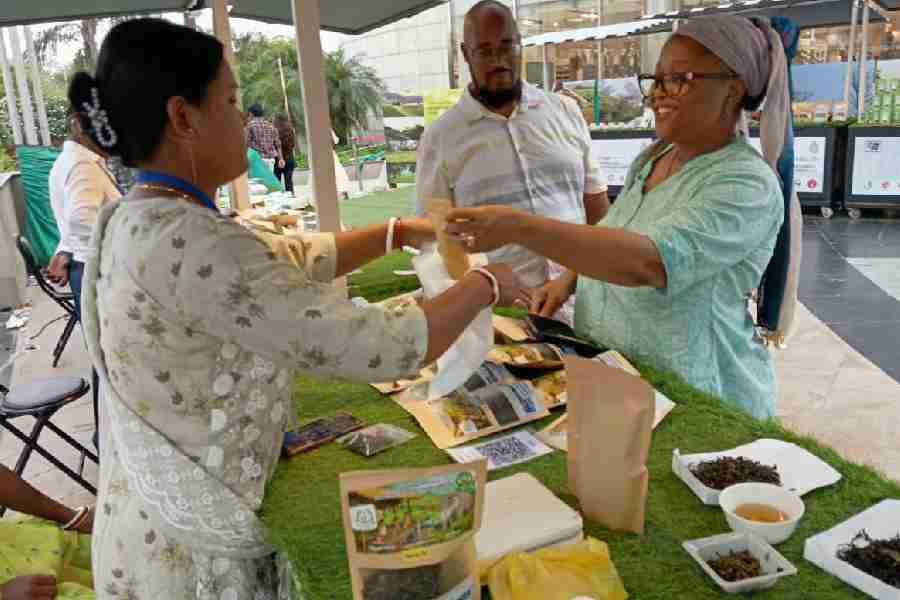
Handcrafted white tea produced by small-scale farmers in Jalpaiguri fetched a record Rs 75,000 per kilogram at a Delhi exhibition hosted by the Tea Board of India. The milestone has generated immense optimism among local growers seeking international buyers and establishing premium markets for sustainable, wildlife-friendly specialty teas.
Backed by official Tea Board disclosures, handcrafted white tea from West Bengal's Jalpaiguri district commands elite pricing, signaling a major breakthrough for small-scale growers.
NEW DELHI — In a milestone development for domestic agriculture, handcrafted white tea produced by small-scale farmers in Jalpaiguri has fetched a staggering Rs 75,000 per kilogram. According to official event disclosures from the Tea Board of India, the luxury batch was sold during the "Handcrafted Exotic High-Value Tea" exhibition held at DLF Mall in Saket, New Delhi. The high-profile sale—secured in August 2026—highlights a surging international and domestic appetite for ultra-premium, artisan-crafted infusions, offering renewed economic hope to independent cultivators operating in challenging terrain.
Overcoming Regional Challenges to Produce Elite Specialty Tea
The record-breaking batch was cultivated and processed by small-scale growers operating near forest boundaries in the Ramsai area of Maynaguri, under the banner of the Jalpaiguri Small Tea Growers' Association's "Teesta" brand. Farming in these regions involves navigating severe logistical hurdles, including dense forest terrain and frequent movements of wild elephants.
According to official briefings from grower representatives and event organizers, key aspects of this production model include:
Wildlife-Friendly Cultivation: Maintaining ecological balance to ensure farming coexists safely with regional wildlife corridors.
Diversified Product Lines: Producing specialized green, black, white, and blue teas, alongside organic herbal blends.
Artisanal Processing: Hand-selecting tender buds and leaves to meet the rigorous standards expected by high-end luxury buyers.
Diplomatic and Institutional Interest: Securing high-profile purchases from trade delegates and international embassy officials based in New Delhi.
Impact on Growers, Regional Businesses, and Global Trade
For independent agricultural workers and regional women's self-help groups, establishing a market presence in metropolitan hubs transforms local economic prospects. Industry analysts note that while standard commercial CTC teas trade at nominal bulk rates, the high-end specialty sector opens lucrative avenues for value-added agricultural exports.
By successfully marketing wildlife-friendly luxury goods, regional growers can bypass traditional middlemen. Furthermore, strong interest from foreign trade representatives positions North Bengal as an emerging contender in the global luxury beverage market, encouraging investors and boutique retailers to forge direct supply partnerships with grassroots farming cooperatives.
Why It Matters
Commanding premium valuations for handcrafted agricultural products empowers rural farming communities, diversifies export opportunities, and shifts focus toward sustainable, high-value specialty crops.
Key Facts at a Glance
Record Valuation: Jalpaiguri handmade white tea sold for Rs 75,000 per kg at a national exhibition.
Exhibition Host: Organized by the Tea Board of India at DLF Mall, Saket.
Producer Network: Represented by small-scale growers under the "Teesta" brand of the Jalpaiguri Small Tea Growers' Association.
Notable Buyers: High-value lots attracted attention and purchases from international embassy personnel in New Delhi.
FAQ Section
What caused Jalpaiguri white tea to sell for Rs 75,000 per kg?
The exceptional pricing reflects its rare artisan production methods, hand-selected bud quality, and its debut at the Tea Board of India's elite specialty tea exhibition.
Who produced this record-breaking specialty tea?
The tea was cultivated and hand-processed by small-scale farmers and women's groups from the Ramsai forest region in Jalpaiguri under the "Teesta" brand.
What challenges do growers face in the Jalpaiguri region?
Farmers contend with difficult forest terrain and frequent movements of wild elephants, making sustainable, wildlife-friendly cultivation a demanding process.
Where can industry professionals track future specialty tea auctions and exhibitions?
Official updates and trade schedules are published regularly through promotional channels managed by the Tea Board of India Portal.
Source: Millennium Post Trade Archives, Aajkaal Regional Media Portal