In the rapidly evolving landscape of 2026, the market for full-size, book-style foldable smartphones has transformed from experimental prototypes into refined, high-performance daily drivers. With major players like Samsung, Google, and Motorola pushing the boundaries of hardware design and AI integration, Indian consumers now face a diverse array of options that prioritize everything from wide-screen media consumption to ultra-slim pocketability.
As foldable technology matures, choosing the right premium device requires balancing unique aspect ratios, software ecosystems, and high-end camera capabilities.
NEW DELHI — In the rapidly evolving landscape of 2026, the market for full-size, book-style foldable smartphones has transformed from experimental prototypes into refined, high-performance daily drivers. With major players like Samsung, Google, and Motorola pushing the boundaries of hardware design and AI integration, Indian consumers now face a diverse array of options that prioritize everything from wide-screen media consumption to ultra-slim pocketability. As of August 2026, the premium foldable segment in India has reached a new peak of sophistication, challenging the status quo of traditional flagship slabs.
Samsung Galaxy Z Fold 8: The Wide-Screen Powerhouse
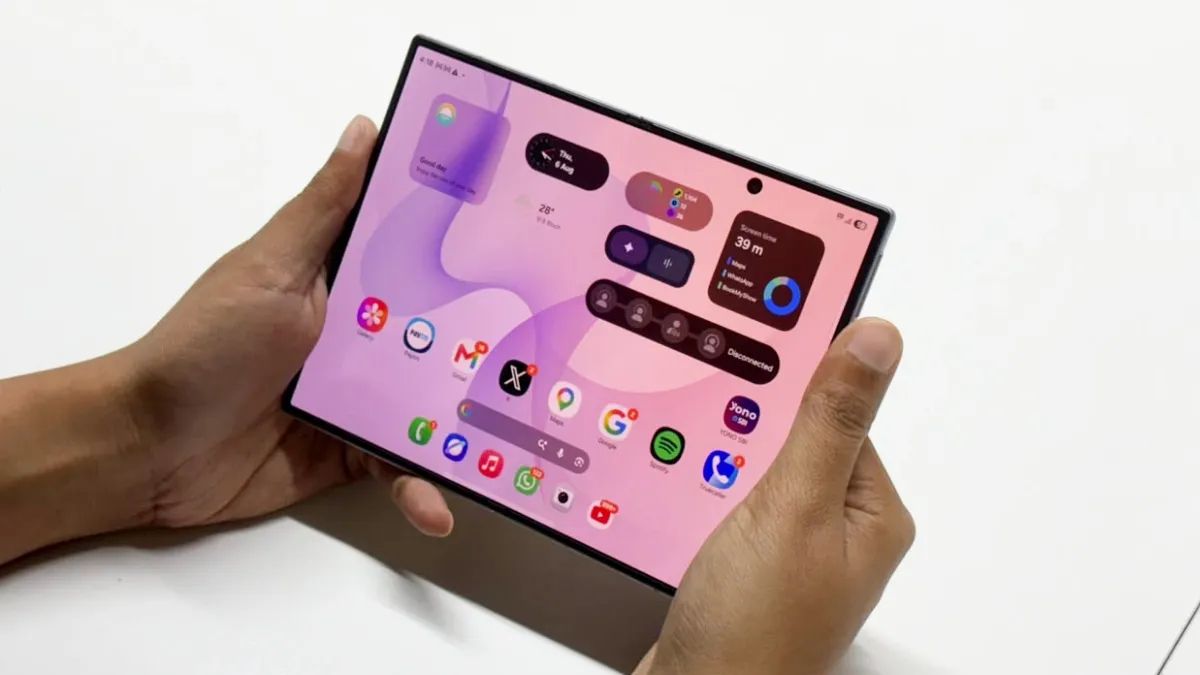
Samsung’s Galaxy Z Fold 8 has taken a bold step toward a "passport-style" design, featuring a wider aspect ratio that makes its 7.6-inch internal display exceptionally comfortable for content consumption and reading. According to recent reviews, this device prioritizes a seamless, refined user experience through One UI 9, stripping away unnecessary complexity for a cleaner interface.
While its camera setup is more streamlined than its "Ultra" counterpart—relying on a capable dual 50MP system—the Fold 8 excels in battery longevity and overall durability. Samsung has integrated a new hinge system that significantly masks the crease, positioning this as the premier choice for those who view a foldable phone primarily as a big-screen entertainment device.
Google Pixel 11 Pro Fold: The AI-Centric Pragmatist
Google’s latest entry, the Pixel 11 Pro Fold, adopts a drastically different philosophy. Eschewing the wider trend, Google opted for a taller, narrower footprint with a massive 8-inch internal display. A standout feature is the device's focus on practicality, utilizing a glass-composite back panel to maintain a lightweight profile.
Backed by the Tensor G6 chip, the Pixel 11 Pro Fold is designed to leverage Google’s latest Gemini AI features. It also distinguishes itself in the durability department by offering an IP68 dust and water protection rating, a rare inclusion for foldable devices. For users deeply entrenched in the Google ecosystem who prioritize software intelligence and robust camera processing, the Pixel 11 Pro Fold represents a sophisticated, if fancy, flagship contender.
Samsung Galaxy Z Fold 8 Ultra: The Performance Professional
For power users who find standard foldables too bulky, the Galaxy Z Fold 8 Ultra offers a return to a more traditional, tall footprint when folded. This device is engineered for productivity, featuring built-in vapour chamber cooling and a desktop-class DeX setup.
According to official specs, it differentiates itself from the standard Fold 8 with a 200MP-led main camera system, providing significant photographic versatility including dedicated telephoto zoom capabilities. It is the definitive choice for professionals who need a device that transitions seamlessly between the office desk and mobile utility.
Motorola Razr Fold: Slim Design Meets Battery Endurance
Motorola’s Razr Fold has surprised many in the market by delivering a "no-nonsense" foldable experience that excels in hardware value. Its primary selling point is an all-day battery life paired with a fast-charging capability that is often lacking in the premium book-style category.
While its software approach is simpler and less productivity-focused compared to Samsung’s suite, the Razr Fold is praised for its clean Hello UI and strong hinge durability. It is recommended for users who want to enter the foldable category without making compromises on essential battery performance or viewing quality.
Why It Matters
For the modern Indian consumer, the 2026 foldable market represents the first time these devices offer true parity with traditional flagship smartphones. Whether prioritizing the IP68 durability of the Google Pixel or the wide-screen entertainment of the Samsung Galaxy Z Fold 8, the selection process is now focused on specific workflow needs rather than just the "wow factor" of a folding screen.
Key Facts at a Glance
Top Contenders: Samsung Galaxy Z Fold 8, Galaxy Z Fold 8 Ultra, Google Pixel 11 Pro Fold, and Motorola Razr Fold.
Design Trends: The market is split between "passport-style" wide screens (Samsung) and tall, narrow productivity formats (Google).
Durability: IP68 protection is becoming a key differentiator, with the Pixel 11 Pro Fold leading in water and dust resistance.
Performance: Most 2026 flagships now feature dedicated cooling systems and desktop-class multitasking capabilities.
FAQ Section
Which foldable phone is best for media consumption? The Samsung Galaxy Z Fold 8 is widely considered the best choice due to its passport-style 4:3 aspect ratio which minimizes letterboxing.
Is there a foldable phone that is durable enough for daily use? Yes, the Google Pixel 11 Pro Fold offers an IP68 rating, making it one of the most resilient options for dust and water protection.
Which device is best for productivity tasks? The Samsung Galaxy Z Fold 8 Ultra is designed for professionals, featuring built-in vapour cooling and a desktop-class DeX multitasking interface.
Are there budget-conscious options in the full-size foldable space? While premium foldables are expensive, the Motorola Razr Fold is noted for offering strong hardware value and battery life at a more accessible entry point than some flagship rivals.
Source: Financial Express, Samsung India, Google Store India, Motorola India