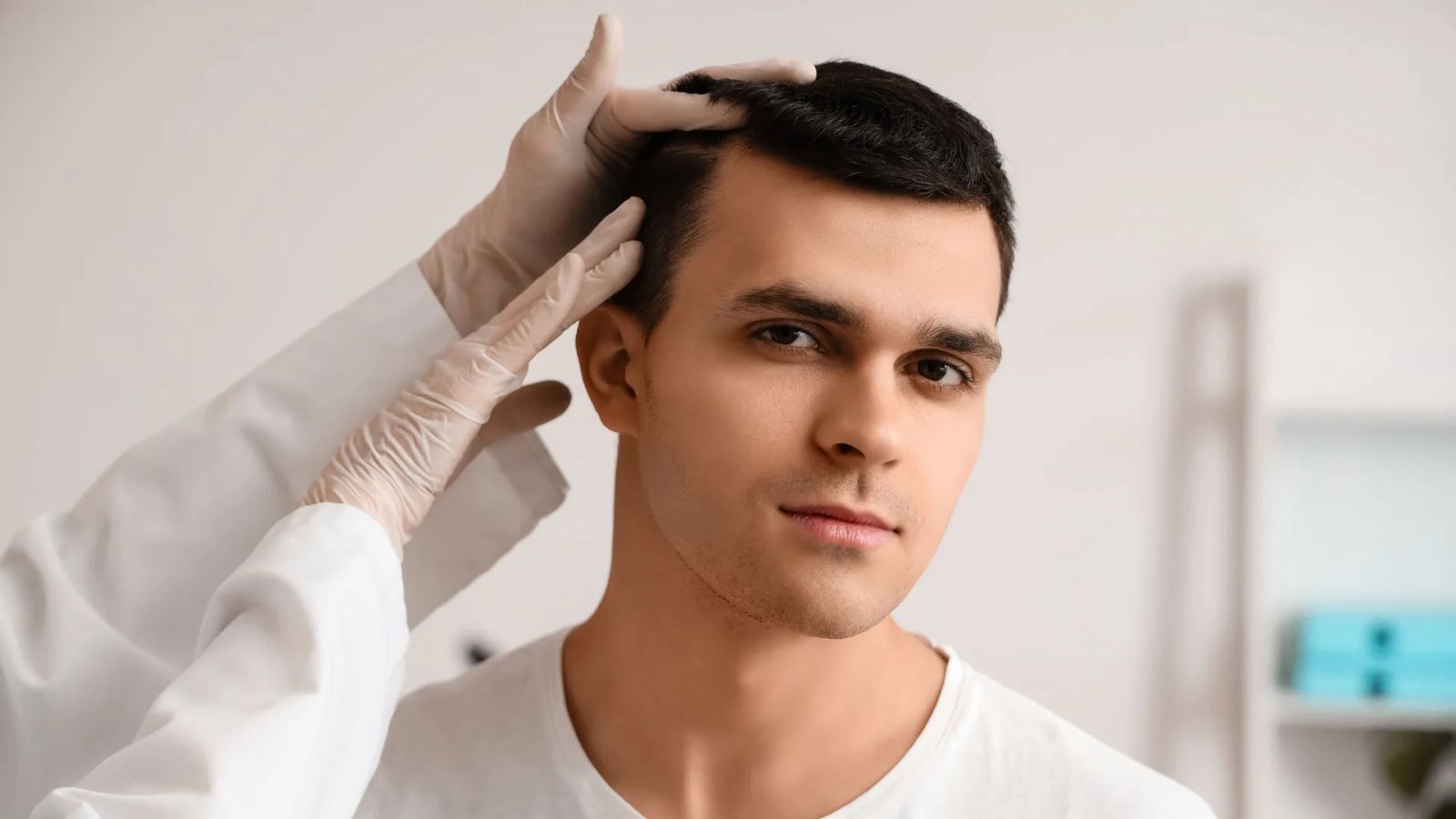
Medical professionals reveal that flawless celebrity hairlines rely on a sophisticated combination of advanced Follicular Unit Extraction (FUE) transplants, ultra-thin HD lace systems, platelet-rich plasma (PRP) therapy, and precise surgical artistry. Experts emphasize that mimicking natural macro-irregularities is crucial to avoiding artificial-looking results under high-definition cameras.
Backed by leading dermatologists and trichologists, industry disclosures reveal the intricate science, medical technology, and styling innovations sustaining high-profile hairlines.
In the public eye, personal presentation serves as an essential currency for actors, models, and digital creators. Across television screens and high-definition lenses, minor changes in physical appearance are heavily scrutinized, making a well-framed face a vital professional asset. Recently, public curiosity has surged regarding how many public figures maintain seemingly ageless, dense hairlines well into later life. According to medical professionals, dermatologists, and hair restoration specialists, maintaining these flawless borders requires far more than basic grooming—it involves a sophisticated blend of advanced surgical techniques, regenerative medicine, and ultra-thin prosthetic advancements.
Medical Advancements and the Evolution of Hair Restoration
According to official insights shared by clinical specialists, modern hair restoration has evolved far beyond the detectable "doll hair" procedures of previous decades. Contemporary procedures rely heavily on Follicular Unit Extraction (FUE), a meticulous technique where surgeons individually harvest DHT-resistant follicles from the donor area at the back of the scalp and implant them according to natural growth angles.
Trichologists note that achieving an undetectable finish requires replicating natural imperfections rather than enforcing rigid geometric lines.
Micro-Irregularities: Skilled practitioners intentionally design subtle asymmetries and zig-zag patterns to mimic organic hair growth.
Density Gradation: Single-hair follicular units are placed meticulously along the absolute front edge, transitioning into multi-hair units deeper in the scalp for natural depth.
Preserving Native Hair: Advanced protocols often avoid shaving recipient sites entirely, allowing surgeons to weave grafts seamlessly between existing native strands to minimize downtime.
Non-Surgical Innovations and Daily Maintenance Pillars
For individuals managing temporary shedding triggered by high-stress lifestyles, demanding physical transformations, or grueling work schedules, surgery is not always the immediate answer. Dermatologists emphasize that lifestyle-related hair thinning can often be reversed once internal triggers are addressed. Furthermore, non-surgical enhancements have advanced significantly.
Modern hair systems now utilize ultra-thin, breathable HD lace patches that sit flush against the skin, virtually disappearing under strong studio lighting. Meanwhile, post-transplant longevity relies heavily on a four-pillar maintenance framework: Platelet-Rich Plasma (PRP) therapy to stimulate local blood circulation, medical interventions like finasteride and minoxidil to suppress DHT and extend the growth phase, periodic clinical touch-ups, and targeted scalp care.
Why It Matters
Demystifying modern hair restoration helps individuals differentiate between sustainable medical procedures and unrealistic beauty standards, encouraging informed healthcare choices for managing hair thinning.
Key Facts at a Glance
Surgical Precision: Modern FUE techniques transplant DHT-resistant follicles individually to match natural growth patterns.
Non-Surgical Alternatives: Ultra-thin HD lace systems and hair toppers provide breathable, undetectable spot-treatments for crown and hairline thinning.
Maintenance Pillars: Long-term success post-surgery requires a combination of PRP therapy, targeted medications, and routine clinical touch-ups.
Aesthetic Realism: Natural hairlines incorporate subtle irregularities and single-hair follicular units at the frontier to avoid an artificial appearance.
FAQ Section
What makes a hairline look natural rather than artificial?
Natural hairlines feature subtle micro-irregularities, single-hair units along the very front edge, and varied density gradients rather than completely straight, rigid lines.
Are hair transplants permanent?
Yes, transplanted follicles are typically resistant to DHT, meaning they remain permanent, though surrounding native hair may require ongoing medical management to maintain overall density.
How do modern non-surgical hair systems differ from older toupees?
Newer hair systems use ultra-thin, breathable HD lace materials that blend seamlessly into the scalp and remain undetectable even under high-definition cameras.
Where can patients review verified medical guidance on hair restoration?
Comprehensive professional insights and clinical breakdowns are publicly accessible via Deccan Chronicle Health Disclosures and Dr. Jason Champagne Plastic Surgery Insights.
Source: Deccan Chronicle Health Disclosures, Dr. Jason Champagne Plastic Surgery Insights