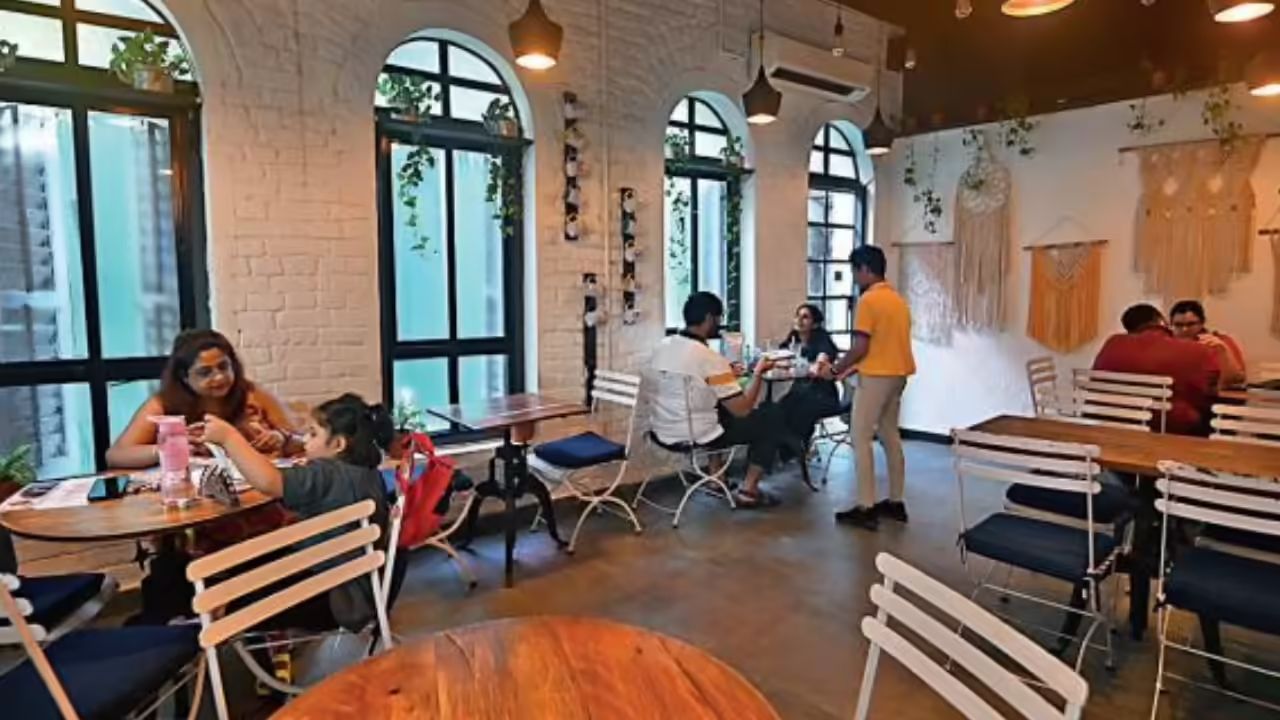
Kolkata is revitalizing its architectural heritage by converting historic mansions into vibrant cafes. This trend of adaptive reuse preserves iconic colonial features like red oxide floors and cast-iron grilles while meeting modern demand for social spaces. This blend of history and hospitality is redefining the city's unique cultural landscape.
KOLKATA — A quiet transformation is sweeping through the historic neighborhoods of Kolkata, as property owners increasingly repurpose sprawling colonial-era residences into vibrant cafes and cultural hubs. This trend, which sees decades-old mansions repurposed for the modern economy, is serving as a vital mechanism for preserving the city’s architectural heritage against the pressures of rapid urbanization and neglect.
From the sun-drenched verandas of South Kolkata to the historic alleys near College Street, these establishments are proving that history can be functional. By integrating original structural features into contemporary hospitality spaces, entrepreneurs are ensuring that Kolkata’s unique aesthetic remains a living part of the city’s daily rhythm rather than a memory preserved only in history books.
Reviving the Aesthetics of Old Calcutta
The shift toward heritage-led hospitality is rooted in the preservation of authentic features. According to design experts and cafe owners, successful conversions prioritize retaining the "bones" of the buildings. This includes preserving high ceilings, red oxide floors, ornate cast-iron grilles, and traditional French-style windows that allow for natural cooling and light.
In South Kolkata, several cafes have become showcases for this "adaptive reuse" model. By honoring the original layouts—often defined by traditional baithakkhana (living room) areas—these venues maintain the social warmth associated with historical Bengali households. The preservation of these architectural elements is not merely an aesthetic choice but an economic one, as the city’s burgeoning cafe-going population increasingly seeks out spaces that offer a sense of place and history.
Intellectual Hubs and Modern Addas
While new boutiques dominate the heritage-revival scene, Kolkata’s identity remains anchored by its enduring institutions. The iconic Indian Coffee House on College Street, which has served as the epicenter of Bengali intellectual discourse since its transition from Albert Hall in 1876, continues to operate as a worker-led cooperative. Its survival and continued relevance demonstrate the deep-rooted cultural importance of the city’s "adda" (informal discussion) culture.
Similarly, establishments like Flurys on Park Street, founded in 1927, continue to successfully bridge the gap between their colonial-era origin and contemporary consumer expectations. These spaces remain vital for the youth, offering a unique "lived-in" experience that modern, sterile coffee chains often struggle to replicate.
Economic and Cultural Drivers
The movement is gaining traction as a sustainable alternative to the demolition of historic structures. For many landlords in Kolkata, leasing their heritage properties to specialized hospitality operators provides the financial means to fund ongoing maintenance, which is often prohibitively expensive for private families.
Heritage advocates note that this "mixed-use" approach allows neighborhoods to retain their residential character while integrating the economic vitality of the service sector. This regenerative atmosphere is helping Kolkata maintain its standing as a city that balances rapid change with deep-seated traditional values.
Why It Matters
The repurposing of these spaces is significant for the urban landscape of Kolkata. It provides a blueprint for how other historic cities in India can manage heritage conservation:
Sustainability: Adaptive reuse reduces the carbon footprint associated with demolition and new construction.
Economic Viability: It creates high-value jobs in the hospitality sector while generating rental income for the maintenance of historic assets.
Cultural Continuity: It ensures that architectural landmarks remain accessible to the public, fostering a sense of shared identity across generations.
Key Facts at a Glance
Structural Focus: Renovations emphasize preserving original red oxide flooring, chun-shurki (lime-binder) finishes, and tall, airy colonial windows.
Heritage Anchors: The Indian Coffee House and Flurys represent the gold standard for long-term survival of intellectual and culinary heritage.
Geographic Hub: South Kolkata is the primary region for residential-mansion-to-cafe conversions.
Adaptive Model: The trend focuses on mixed-use occupancy, maintaining the residential dignity of neighborhoods while serving the public.
FAQ
Why is adaptive reuse becoming popular in Kolkata?
It allows property owners to fund the expensive maintenance of colonial-era homes while preserving their architectural integrity and generating income from high-demand hospitality businesses.
What architectural features are commonly preserved in these cafes?
Common features include high ceilings, red oxide flooring, original cast-iron grills, and wide, airy French-style windows.
How does this impact the city’s 'adda' culture?
The conversion of old homes into cafes provides a space where traditional adda (intellectual discussion) can occur in an authentic environment, keeping the city’s social traditions alive.
Source: Hindustan Times, Heritage Preservation Council, West Bengal Tourism Development Corp