Prime Minister Narendra Modi concluded the BRICS Summit 2026 in New Delhi by highlighting successful cooperation across resilience, innovation, and sustainability. Key deliverables included new supply chain frameworks, startup funds, and a warning against the weaponisation of critical minerals, as India handed the bloc's chairship to China.
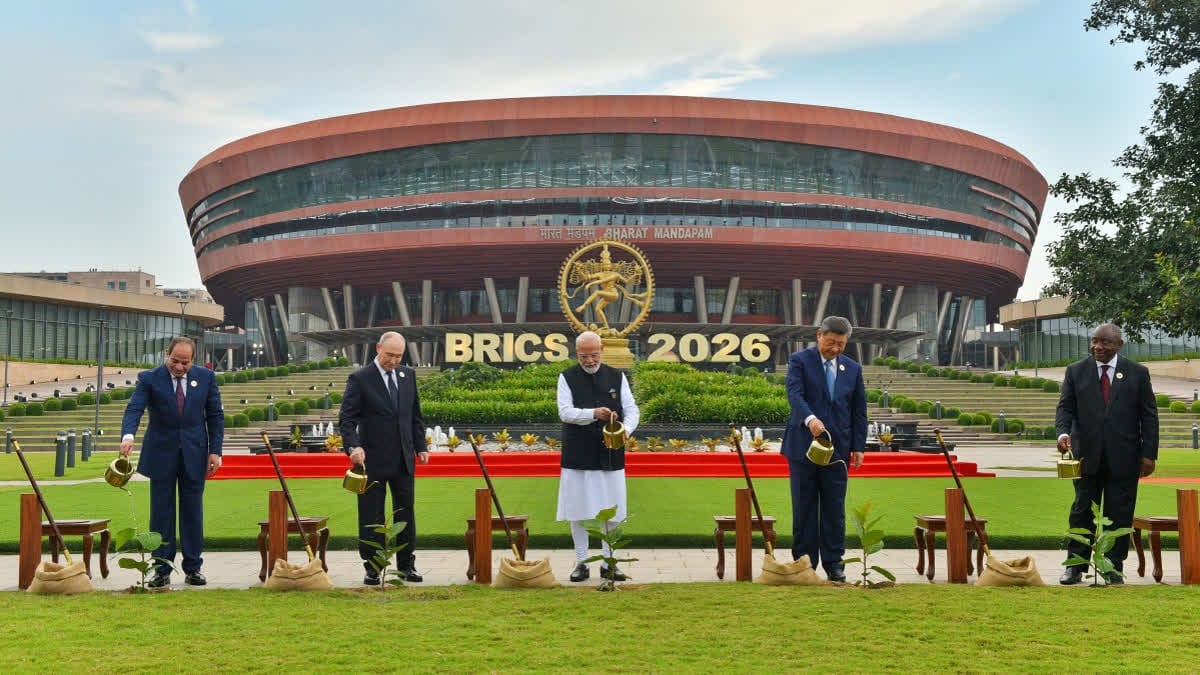
NEW DELHI - Concluding the 18th BRICS Summit at Bharat Mandapam on Sunday, September 13, 2026, Prime Minister Narendra Modi addressed global leaders and delegates by asserting that India's tenure successfully translated a shared vision into a "win-win collaboration". Speaking at the core session focused on resilience, innovation, cooperation, and sustainability, PM Modi emphasized that the expanded bloc must now deliver concrete results rather than mere commitments as it enters its third decade. The high-profile gathering brought together heads of state and senior representatives from Brazil, Russia, India, China, South Africa, and newly integrated member nations to finalize strategic economic frameworks.
Core Pillars and New Frameworks
Under India's strategic direction, the summit prioritized four foundational pillars: resilience, innovation, cooperation, and sustainability. To fortify economic ties against external shocks, participating nations finalized the BRICS Logistics Supply Chain Cooperation Framework. Furthermore, New Delhi introduced the BRICS Startup Innovation Fund alongside the BRICS Incubator Network to spur cross-border technological partnerships.
During the deliberations, PM Modi issued a firm caution regarding the global economy, warning that the "weaponisation of technology and critical minerals can hinder our shared progress". Analysts noted this remark directly addresses growing international anxieties over export controls and supply restrictions on rare earth elements. To counteract these vulnerabilities, the summit backed inclusive technology adoption, alongside the launch of the BRICS Network on Digital Agriculture, which integrates artificial intelligence and geospatial technology to support farmers.
Expanding Beyond State Diplomacy
A central theme of India's presidency involved broadening the scope of cooperation beyond traditional intergovernmental channels. PM Modi underscored that initiatives like BRICS CONNECT and the BRICS MSME Cooperation Portal are designed to integrate entrepreneurs, researchers, women, youth, and small businesses directly into the bloc's economic architecture.
The summit also addressed systemic health and environmental challenges by agreeing on an integrated early warning system for infectious disease prevention, alongside unified data integration guidelines for disaster management. Additionally, the newly established BRICS Urban Mobility Hub will facilitate municipal best practices across member states, while the Digital Centre of Excellence for Smart Grids aims to streamline clean energy transitions.
Economic and Geopolitical Impact
For international businesses, investors, and supply chain managers, the concrete frameworks adopted in New Delhi signal a concerted push toward trade diversification and digital integration across emerging markets. By establishing independent mechanisms for logistics, agricultural technology, and small enterprise financing, the expanded BRICS coalition aims to insulate developing economies from regional disruptions and currency fluctuations. The event concluded with India officially passing the BRICS chairship responsibilities to China for the upcoming term.
Official Sources Section
Details regarding the summit proceedings, declarations, and official statements are based on official government releases and media briefings issued during the event.
Quote Section
"I am pleased that, with your cooperation and support, we have been able to transform our shared vision into a win-win collaboration," stated Prime Minister Narendra Modi during his closing address at Bharat Mandapam.
Why It Matters
The formalization of supply chain frameworks and startup funds provides businesses operating within emerging markets with standardized mechanisms to navigate resource scarcity. By addressing critical mineral dependencies and establishing digital agricultural networks, the summit directly influences trade policies, technology sharing agreements, and investment strategies across the Global South.
Key Facts at a Glance
Summit Conclusion: The 18th BRICS Summit concluded on September 13, 2026, in New Delhi under India's overarching chairship.
Core Pillars: Discussions centered on four key pillars: resilience, innovation, cooperation, and sustainability.
New Initiatives: Leaders established the BRICS Logistics Supply Chain Cooperation Framework, Startup Innovation Fund, and Digital Agriculture Network.
Resource Warning: PM Modi cautioned against the weaponisation of technology and critical minerals to safeguard common economic growth.
FAQ Section
What were the primary achievements of the BRICS Summit 2026?
The summit delivered concrete frameworks for logistics supply chain cooperation, startup funding, digital agriculture, and early warning systems for health and disaster management.
What did PM Modi say about critical minerals?
PM Modi warned that the weaponisation of critical minerals and technology poses a distinct hurdle to shared global progress, urging inclusive technology adoption.
How does the BRICS summit impact small businesses and citizens?
Through platforms like the BRICS MSME Cooperation Portal and BRICS CONNECT, the bloc aims to involve entrepreneurs, researchers, and ordinary citizens directly in cross-border economic opportunities.
Who will assume the next BRICS chairship?
Following the conclusion of India's term in New Delhi, the presidency and chairship of BRICS were handed over to China.
Source: Government of India Ministry of External Affairs, Press Information Bureau (PIB), Reuters, The Hindu