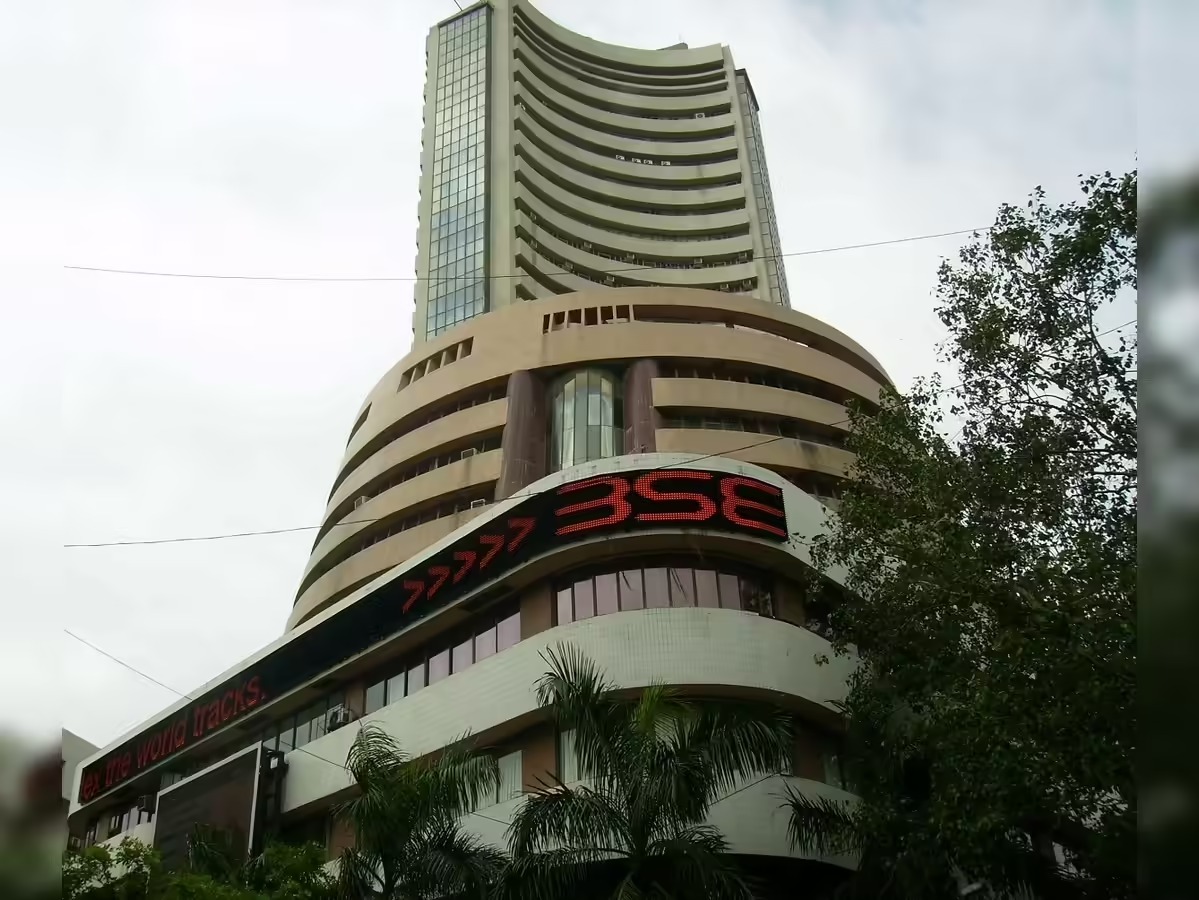
Despite a 9.37% correction in the large-cap BSE Sensex due to global trade friction, a select group of 10 midcap stocks including Oracle Financial, BSE Ltd, and Sona BLW has rallied up to 53% in 2026. The surge is driven by strong domestic earnings, localized operations, and structural sector tailwinds.
MUMBAI — A group of 10 prominent midcap stocks has defied a broader domestic market correction, posting significant year-to-date (YTD) gains of up to 53% in 2026. Stock market data as of Saturday, July 18, 2026, shows market leaders like BSE Limited and Sona BLW Precision Forgings driving a powerful midcap momentum cycle.
The strong performance comes at a time when large-cap benchmarks face notable headwinds. The benchmark BSE Sensex has shed 9.37% so far this year as global trade tensions and foreign institutional investor (FII) outflows weigh down massive blue-chip equities. In contrast, select mid-sized companies are benefiting from improving earnings breadth and robust structural sector tailwinds, offering a constructive silver lining for domestic equity portfolios.
Tech and Infrastructure Sectors Drive the Midcap Breakout
According to market trading registers compiled from the National Stock Exchange of India (NSE), IT solutions provider Oracle Financial Services has emerged as the absolute top-performing midcap stock on a YTD basis in 2026, delivering a 52.91% return to its shareholders. This technology surge is closely matched by industrial and infrastructure heavyweights capitalizing on state-backed capital expenditure programs.
Defense and mining infrastructure specialist Solar Industries has rallied 50.6% so far this year, driven by a strong pipeline of domestic manufacturing orders. Meanwhile, exchange operator BSE Limited has surged 36.19% YTD, building on structural gains from financialization, an expanding derivatives segment, and a continuous wave of small and medium enterprise (SME) initial public offerings (IPOs).
Auto Ancillaries and Banking Form the Growth Core
The midcap momentum also highlights a significant recovery across domestic auto components and regional financial institutions. Sona BLW Precision Forgings (listed on the NSE as SONACOMS) has become a primary target for institutional buyers.
The stock has advanced strongly, supported by its position in the electric vehicle (EV) supply chain and expectations of strong revenue acceleration. Financial services are keeping pace as well, with key mid-tier banking entities showing strong growth paths:
Federal Bank: Up 30.64% YTD, supported by steady retail loan growth.
Aurobindo Pharma: Advanced 29.62% YTD, benefiting from a recovery in global generic drug pricing.
Bank of Maharashtra: Up 28.51% YTD, leading the public sector banking recovery with improved asset quality.
Structural Shifts Favor Selective Mid-Cap Allocations
Market analysts point out that the current midcap breakout reflects a healthy rotation of domestic capital. While large-cap blue chips remain essential long-term portfolio stabilizers during global volatility, the case for incremental capital allocation has shifted toward select small and mid-tier equities.
This trend is supported by a converging return on equity (RoE) across these mid-sized players, alongside expectations that a looming central bank rate-cut cycle will lower the cost of capital for expanding enterprises. This structural tailwind helps insulate agile, domestically focused firms from the trade tariff disputes currently impacting larger, export-reliant multi-national conglomerates.
Official Sources Section
The financial return metrics, stock price calculations, index performance histories, and corporate categorization parameters detailed in this report are sourced from official market disclosure databases at the BSE Limited, transaction summaries on the National Stock Exchange of India (NSE), and the comprehensive Midcap Performance Review published by ETMarkets.
Quote Section
Market strategists are urging retail investors to focus on specific business fundamentals rather than chasing generalized midcap market movements.
According to investment officials monitoring capital flows, companies showing genuine margin expansion are safely outperforming speculative stocks. Financial advisory heads stated that:
"The outperformance of select midcaps like BSE and Sona BLW in 2026 shows that earnings visibility is beating macro noise. While the broader Sensex faces pressure from global trade issues, midcap firms with tight domestic supply chains and distinct market share are managing to grow their earnings. Investors should focus on companies displaying high return on equity and visible order books rather than buying into the segment broadly."
Why It Matters
For everyday retail investors, mutual fund participants, and wealth managers, the midcap breakout of 2026 underscores a vital portfolio lesson: index corrections do not erase all market opportunities. Identifying specific companies backed by strong local demand, legislative tailwinds, and solid balance sheets allows investors to generate meaningful returns even during broader market drawdowns.
Key Facts at a Glance
Defying the Trend: A select group of 10 midcap stocks has posted gains of up to 53% in 2026, safely beating the contracting large-cap indices.
Top Performer: Oracle Financial Services leads the midcap segment with an impressive 52.91% YTD return.
Exchange Surge: BSE Limited gained 36.19% YTD, driven by expanding derivatives volumes and a strong wave of SME listings.
Industrial Strength: Sona BLW and Solar Industries have rallied significantly due to strong automotive EV components and domestic defense orders.
Macro Environment: The midcap rally coincides with a 9.37% drop in the large-cap Sensex caused by global trade uncertainties.
FAQ Section
Why are midcap stocks outperforming large-cap stocks in 2026?
Many midcap companies have highly localized operations and supply chains, leaving them less exposed to global trade tensions. Additionally, improving domestic earnings breadth and targeted policy support have driven strong capital inflows into these specific mid-tier firms.
What are the primary risks associated with investing in midcaps during a market correction?
Midcap stocks typically exhibit higher price volatility than large-cap blue chips. If global market sentiment deteriorates further or domestic interest rate cuts are delayed, overvalued midcap names could face sharp profit-booking corrections.
How can an investor verify if a midcap stock is a safe addition to their portfolio?
Investors should analyze a company's underlying fundamentals, including its debt-to-equity ratio, consistent return on equity (RoE), visible cash flows, and sustainable competitive advantages within its sector.
Source: National Stock Exchange of India (NSE) Live Market Data; BSE Limited Listed Corporate Database; ETMarkets Midcap Momentum Tracking Registry.