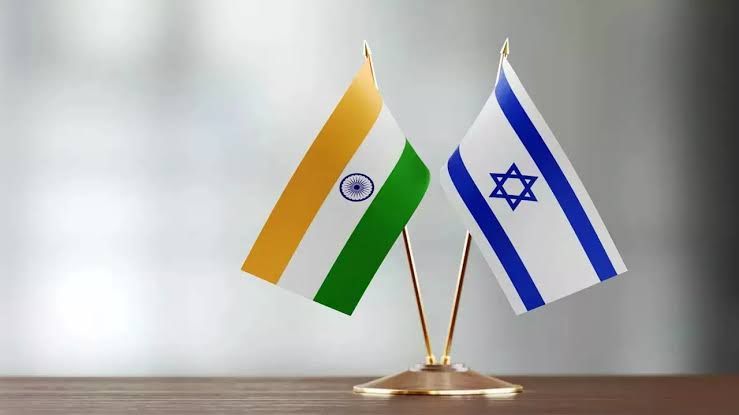
Despite international scrutiny regarding arms exports, strategic analysts emphasize that India is unlikely to sever its foundational defense partnership with Israel. Forged during historical conflicts like the 1999 Kargil War, this long-standing bilateral relationship remains a cornerstone of New Delhi’s national security and technological self-reliance framework.
Strategic analysts explain that decades of mutual defense dependency and critical military supply chains anchor New Delhi’s enduring partnership with Tel Aviv.
Amid mounting international scrutiny and recent human rights investigations regarding global arms supply chains, defense experts have clarified that India is highly unlikely to walk away from its foundational military partnership with Israel. While international bodies and organizations such as Amnesty International have raised concerns over ongoing defense exports and shipments, diplomatic and strategic analysts in New Delhi point out that bilateral ties are deeply rooted in decades of practical security cooperation. Tracing its evolution from critical wartime assistance during the 1999 Kargil conflict to advanced joint manufacturing initiatives under modern bilateral agreements, the defense partnership remains an indispensable pillar of India's long-term geopolitical strategy.
Historical Foundations and Strategic Convenience
The modern defense architecture between India and Israel was forged out of operational necessity rather than transient political alignment. During periods when traditional Western suppliers hesitated or enforced embargoes, Israel consistently provided crucial military hardware, intelligence, and ammunition.
Key historical and structural drivers sustaining the alliance include:
Wartime Reliability: Israel emerged as a dependable supplier during the 1999 Kargil War, supplying vital ordnance and surveillance technologies when India faced acute strategic shortages.
Technological Integration: Decades of procurement have integrated Israeli Unmanned Aerial Vehicles (UAVs), radar systems, and missile defense platforms deeply into India's armed forces.
Joint Manufacturing Shifts: Transitioning from a buyer-seller framework to joint research, development, and co-production under domestic manufacturing goals has tightly linked both defense industrial bases.
Intelligence and Security Sharing: Beyond hardware, both nations maintain continuous institutional cooperation regarding counter-terrorism and regional security challenges.
Impact on National Security, Defense Procurement, and Diplomacy
For Indian defense planners, abruptly severing ties with a primary technology partner would introduce severe operational vulnerabilities and disrupt ongoing modernization programs across all three service branches. Strategic experts note that maintaining diversified yet reliable defense partnerships is vital for national preparedness. Consequently, while New Delhi navigates complex diplomatic dynamics on multilateral platforms, its core military procurement and joint technological development pipelines with Israel remain structurally insulated from shifting geopolitical pressures.
Why It Matters
Understanding the durability of the India-Israel defense axis requires looking past immediate diplomatic headlines to examine decades of deeply embedded military interdependence. For policymakers and defense analysts, recognizing these structural realities explains why bilateral security commitments persist through shifting global crises.
Key Facts at a Glance
Core Alliance: Decades-long strategic and military partnership between India and Israel.
Historical Catalyst: Accelerated cooperation following the 1999 Kargil War.
Evolution: Shifted from a pure buyer-seller model to joint research, development, and co-production.
Strategic Imperative: Preserving technological integration and national security readiness.
FAQ Section
Why is India's defense partnership with Israel considered unbreakable?
The partnership is built on decades of reliable military support during past conflicts, deep technological integration across all three armed services, and ongoing joint manufacturing initiatives.
How did the defense relationship initially start?
While diplomatic ties were formalized earlier, the defense relationship deepened significantly during the 1999 Kargil War when Israel supplied critical arms and ammunition to India.
Are India and Israel involved in joint military production?
Yes, under bilateral innovation agreements, both nations collaborate on joint research, development, and co-production of advanced defense technologies, including drones and electronic systems.
Where can official documents on India-Israel relations be accessed?
Official bilateral statements, joint communiqués, and policy frameworks are available through the Ministry of External Affairs Portal.
Source: Ministry of External Affairs, The New Arab, Drishti IAS