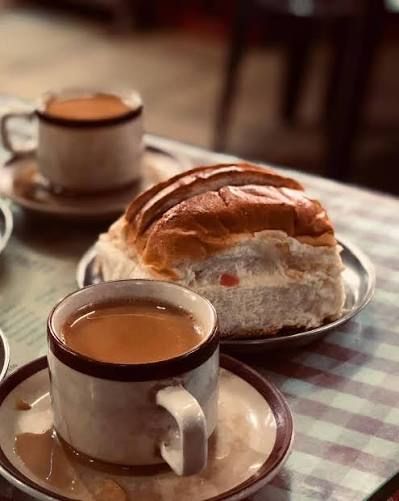
Pune’s culinary landscape continues to celebrate its enduring love affair with bun maska and hot chai. Spanning legendary heritage spots like Cafe Goodluck and newer highway pitstops, these establishments preserve a century-old Irani cafe tradition that remains deeply woven into the city's social fabric and daily routine.
Backed by local cultural chronicles and heritage dining dispatches, the city’s century-old association with traditional tea houses and buttered buns remains as vibrant as ever.
Enduring across generations of students, commuters, and late-night travelers, Pune’s cultural affinity for the classic combination of bun maska and chai continues to thrive across both heritage establishments and modern highway pitstops. Highlighted through culinary archives and local food reviews published in September 2026, the tradition traces its roots back to Irani Zoroastrian immigrants who established neighborhood cafes across the city over a century ago.
From iconic landmarks like Deccan’s Cafe Goodluck and Camp’s Cafe Yezdan to modern highway kiosks near Khed-Shivapur, these simple eateries remain vital community spaces where residents gather over steaming cups of kadak tea and butter-laden buns.
Evaluating Heritage Cafes, Modern Outlets, and Culinary Evolution
Analyzing the longevity of these culinary hubs reveals how traditional eateries have adapted to changing urban lifestyles while preserving their core identity. According to local documentation and establishment records compiled in September 2026, key aspects of the city's tea culture include:
Heritage Institutions: Establishments operating for over half a century maintain their vintage marble-top tables, checkered floors, and secret-recipe baked goods.
Highway and 24/7 Pitstops: Newer spots along arterial routes, such as Prasad Malai Chaha near the Pune-Satara highway, cater to late-night motorists and weekend driving enthusiasts.
Neighborhood Accessibility: From traditional Irani bakeries in Camp to student-frequented spots near Fergusson College Road, accessibility has ensured sustained generational patronage.
Menu Adaptations: While classic bun maska and Irani tea remain staples, many outlets now incorporate specialized flavored teas and light local snacks to appeal to younger crowds.
Why It Matters
The practical implications of maintaining these traditional gathering spaces extend to local tourism, small-business commerce, and community social structures. For citizens and visitors navigating Pune, these cafes offer affordable, reliable spaces for social connection and informal meetings. For local bakeries and dairy suppliers, the steady demand for fresh buns and butter supports a robust regional supply chain deeply embedded in the local economy.
Key Facts at a Glance
Core Culinary Staples: Bun maska (buttered soft bread) paired with Irani or Malai chai.
Historical Roots Introduced By: 19th and 20th-century Irani Zoroastrian immigrants settling in Maharashtra.
Notable Landmark Locations: Cafe Goodluck (Deccan), Cafe Yezdan (Camp), and Vohuman Cafe.
Cultural Significance: Serving as multigenerational community hubs for students, workers, and travelers.
FAQ Section
Why are Irani cafes and bun maska so culturally significant in Pune?
Introduced by Zoroastrian immigrants over a century ago, these cafes evolved into inclusive neighborhood social hubs that have served generations of Pune residents.
Where are some of the most famous spots to get bun maska in Pune?
Iconic locations include Cafe Goodluck on FC Road, Cafe Yezdan in Camp, Vohuman Cafe near Pune Station, and various specialized highway tea stalls.
What makes traditional Irani chai different from regular tea?
Irani chai is typically brewed slowly with a specific milk-to-tea ratio, resulting in a rich, distinctly smoky, and comforting flavor profile.
Where can readers explore more background on Pune’s heritage eateries?
Detailed historical features and culinary guides are available through The Indian Express Archives.
Source: The Indian Express, What's Hot Pune, Times of India