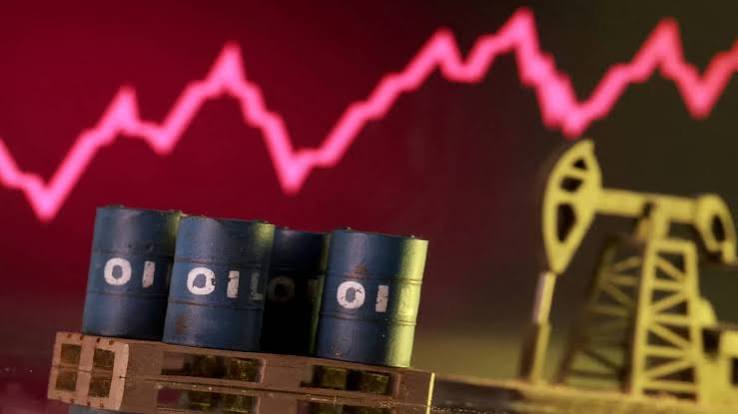
India’s Ministry of Finance warned that elevated international crude oil prices and supply chain volatility could pressure the country’s fiscal health. While easing prices in July provided brief relief, official assessments indicate sustained price shocks risk expanding the fiscal deficit and import bills despite $675 billion in forex reserves.
NEW DELHI — The Ministry of Finance has issued an economic assessment warning that a prolonged surge in global crude oil prices could strain India’s fiscal health and external trade metrics. Detailed in its July Monthly Economic Review and parliamentary statements in the Lok Sabha on Wednesday, July 29, 2026, government officials cautioned that despite recent price pullbacks, ongoing geopolitical friction in West Asia remains a primary downside risk. As the world’s third-largest oil importer, India remains sensitive to global energy disruptions that directly impact government subsidy burdens, current account stability, and consumer price indices.
Crude Oil Price Shifts and Fiscal Deficit Pressures
According to official disclosures by Minister of State for Finance Pankaj Chaudhary, the average price of the Indian crude oil basket eased to $77.6 per barrel in July 2026, down from $114.5 per barrel recorded in April. While this price reduction provided short-term relief to the national import bill, officials stressed that persistent market volatility threatens long-term budget assumptions.
When global crude prices spike, the government faces higher outlays for domestic fertilizer and fuel subsidies, alongside increased input costs across public supply chains. To protect revenue streams and maintain fiscal discipline, the government has used calibrated adjustments to the Special Additional Excise Duty (SAED) on crude oil production alongside specific customs duties. However, officials acknowledged that sustained oil price increases could complicate efforts to achieve target fiscal deficit reductions.
Foreign Exchange Buffers and Inflation Projections
Despite external risks, government releases highlighted strong economic fundamentals that shield the domestic economy from severe systemic shocks. Reserve Bank of India (RBI) figures show foreign exchange reserves stood at $675.2 billion as of July 2026, offering roughly 10 months of total import cover. Furthermore, the country's current account recorded a surplus of $2.8 billion during the April–May 2026 period, bolstered by strong services exports and steady worker remittances.
On inflation, Consumer Price Index (CPI) metrics averaged 3.9% during the first quarter of fiscal year 2026–27. The RBI maintains a real GDP growth projection of 6.6% and a full-year CPI inflation forecast of 5.1% for the 2026–27 fiscal year. Nevertheless, central bank assessments emphasize that volatile global commodity markets and maritime trade route delays present ongoing challenges to price stability.
Maritime Logistics and Corporate Impact
Sectoral analysis from CareEdge Ratings indicates that shipping disruptions in the Red Sea and the Strait of Hormuz have driven up maritime freight rates and war-risk insurance premiums. These supply chain bottlenecks affect logistics timelines for both raw energy imports and outward container traffic.
While large state-owned refiners and major corporations maintain sufficient balance sheet strength to navigate transportation shocks, small and medium enterprises (SMEs) face potential margin compression due to elevated freight fees and rising operational costs.
Official Sources Section
Information presented in this news article is sourced directly from Lok Sabha parliamentary submissions and Monthly Economic Reviews from the Ministry of Finance, statutory reports from the Reserve Bank of India, official briefings by the Press Information Bureau, and maritime market updates from CareEdge Ratings.
Quote Section
"According to officials from the Ministry of Finance, the government continues to assess the implications of crude oil price volatility on the fiscal position, utilizing calibrated duty revisions and fiscal buffers to absorb external shocks while preserving macroeconomic growth."
Why It Matters
For citizens and consumers, persistent high crude oil prices increase fuel and transportation costs, which can spill over into retail food prices and essential goods. For businesses and investors, rising energy expenses compress corporate profit margins and increase working capital requirements, while the government must balance infrastructure spending against rising energy subsidy obligations.
Key Facts at a Glance
Crude Basket Decline: The average Indian crude oil basket price fell to $77.6 per barrel in July 2026 from $114.5 in April.
Foreign Exchange Reserves: India holds $675.2 billion in foreign exchange reserves, covering approximately 10 months of imports.
Current Account Surplus: Recorded a $2.8 billion surplus during April–May 2026 due to robust service exports.
Growth Outlook: The RBI projects real GDP growth at 6.6% and CPI inflation at 5.1% for FY 2026–27.
Primary Fiscal Risk: Geopolitical volatility in West Asia threatening fuel subsidy budgets and trade balances.
FAQ Section
Why does a rise in crude oil prices affect India's fiscal health?
As a major net energy importer, higher global crude prices increase India's import bill, expand government expenditure on fuel and fertilizer subsidies, and threaten to widen both the fiscal deficit and current account deficit.
What is the current status of India's foreign exchange reserves?
According to official data, India's foreign exchange reserves reached $675.2 billion in July 2026, providing about 10 months of import cover to cushion the economy against external energy shocks.
How has the Indian crude oil basket price trended recently?
The average price of the Indian crude oil basket fell from $114.5 per barrel in April 2026 to $77.6 per barrel in July 2026, easing immediate import costs.
What steps is the government taking to manage crude price volatility?
The government employs calibrated revisions in the Special Additional Excise Duty on petroleum products and utilizes fiscal buffers to maintain revenue stability while monitoring subsidy allocations.
Source: Ministry of Finance, Reserve Bank of India, Press Information Bureau, CareEdge Ratings