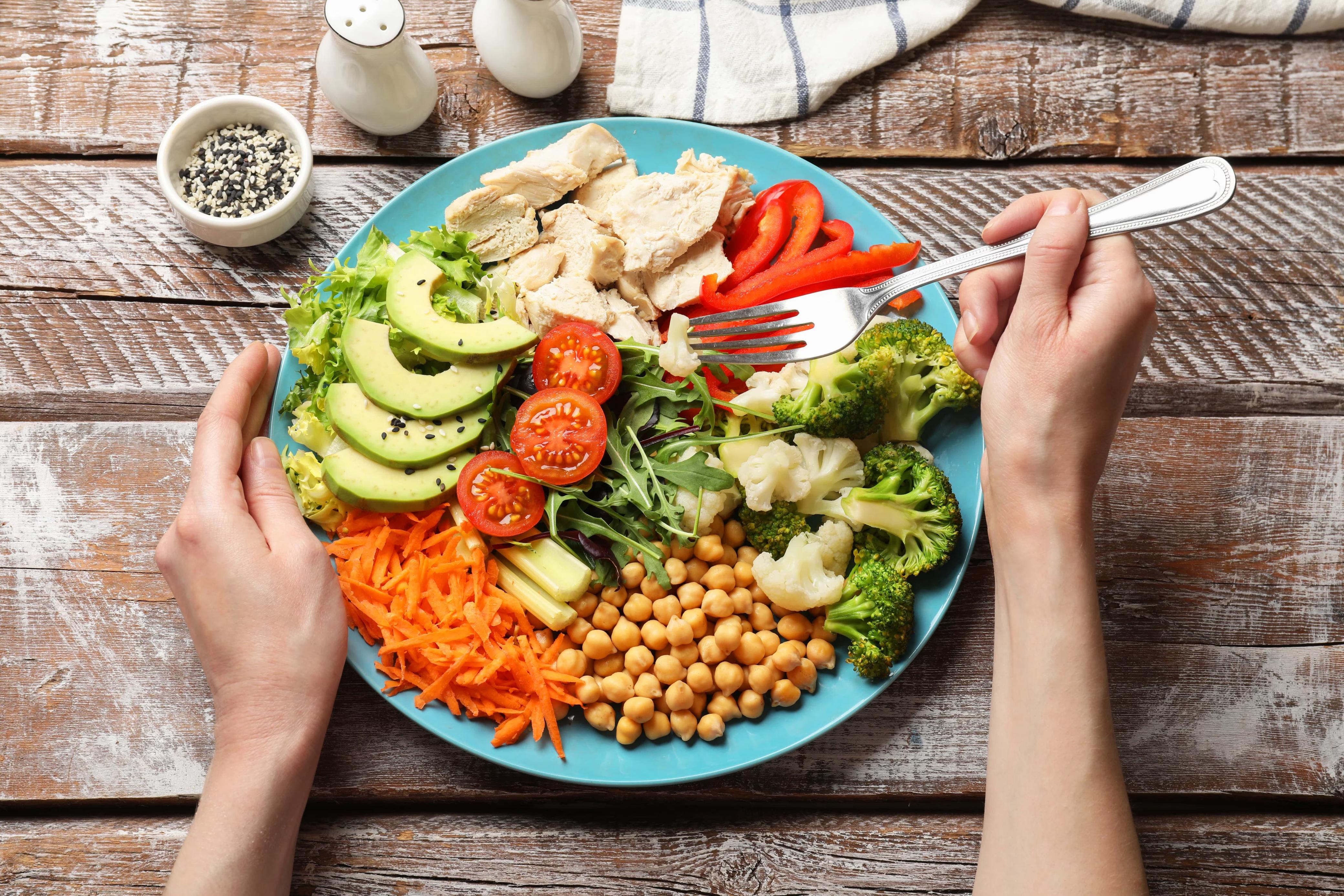
Eating healthy does not require sacrificing traditional flavors or switching exclusively to bland salads. According to wellness experts, making simple adjustments to ingredient combinations, preparation techniques, and portion frequencies can significantly boost the nutritional profile of everyday Indian dishes while keeping meals satisfying, delicious, and deeply nourishing for the whole family.
Retaining traditional textures and rich tastes is entirely possible through mindful ingredient selection and smart culinary adjustments, expert nutritionists state.
For many households, embarking on a healthy eating journey feels synonymous with giving up comforting, flavorful meals and resigning oneself to bland salads. However, wellness professionals emphasize that traditional Indian cuisine is inherently adaptable and packed with wholesome components. Addressing dietary habits in New Delhi, nutrition coach Eshanka recently highlighted that the key to sustainable wellness lies not in eliminating familiar foods, but in modifying how meals are prepared, combined, and consumed. By focusing on smart ingredient tweaks and balanced portions, individuals can enjoy nutritious food without compromising on taste.
Rethinking Traditional Ingredients and Meal Frequency
A common pitfall in modern diets is over-relying on a single ingredient or food group across multiple daily snacks. Nutrition experts point out that even highly nutritious components—such as besan (gram flour)—can lose their balanced advantage if consumed repeatedly through fried snacks like pakodas and heavy chillas on the same day.
Key strategies shared by nutrition professionals to optimize daily eating habits include:
Diversifying Meal Components: Instead of labeling specific foods as strictly "healthy" or "unhealthy," evaluate how different food groups balance out across the entire day.
Incorporating Protein-Rich Alternatives: Introducing homemade, protein-dense options like moong-based snacks or wholesome vegetable preparations can satisfy cravings while adding essential micronutrients.
Batch Preparation: Preparing healthy homemade snacks in advance helps prevent reliance on highly processed, packaged food items when time constraints arise.
Enhancing Presentation and Flavor Without Heavy Fats
Healthy cooking does not translate to flavorless cooking. Traditional Indian spices, fresh herbs, aromatic chutneys, and roasted ingredients provide deep layers of flavor without requiring excessive amounts of oil or heavy fats. Furthermore, experts note that visual presentation plays a crucial role—particularly for children—transforming standard lunchbox items like rotis and sabzis into colorful, engaging meals through creative vegetable cuts and varied preparations. Additionally, adopting modern cooking appliances, such as air-fryers, allows families to achieve desired crisp textures while drastically cutting down on added cooking oils.
Why It Matters
Adopting sustainable dietary habits prevents burnout associated with extreme food restrictions. By integrating smart preparation methods into daily Indian cooking, individuals can protect long-term metabolic health, maintain stable energy levels, and foster positive nutritional habits across generations.
Key Facts at a Glance
Core Principle: Healthy eating relies on balance, variety, and mindful preparation rather than extreme food elimination.
Flavor Enhancement: Utilizing traditional spices, herbs, and alternative cooking methods (like air-frying) preserves taste while reducing excess oil.
Family Inclusion: Creative presentation techniques help make nutrient-dense meals more appealing to children without requiring entirely separate menus.
Practical Prep: Batch-cooking healthy homemade snacks curbs reliance on processed convenience foods.
FAQ Section
Does eating healthy mean giving up traditional Indian foods?
No, nutrition experts emphasize that traditional Indian meals are inherently nutritious; the focus should be on adjusting portions, cooking methods, and ingredient combinations rather than eliminating cultural foods.
How can I make healthy food taste more exciting for children?
Experts suggest modifying presentation—such as using colorful vegetable shapes, cutlets, or varied idli preparations—to make wholesome foods visually appealing without altering core ingredients.
What is a common mistake people make when starting a diet?
A frequent error is removing too much flavor and texture from meals in the name of health, which makes the new eating pattern difficult to maintain over time.
Where can readers find reliable guides on balanced Indian meal planning?
Verified nutritional articles and expert diet tips are accessible directly via the Hindustan Times Health Portal and The Economic Times Health Desk.
Source: Hindustan Times Health Desk, The Economic Times Health Portal