Kalpana Kanungo - Mumbai Bureau Jun 20, 2026 1,450 Views
The annual Char Dham Yatra in Uttarakhand achieved a significant milestone as total pilgrim footfall surpassed 37.35 lakh within 61 days of operation. Official data shows Kedarnath Dham leading the influx, though the state administration is now shifting from crowd control to high-alert monsoon disaster management.
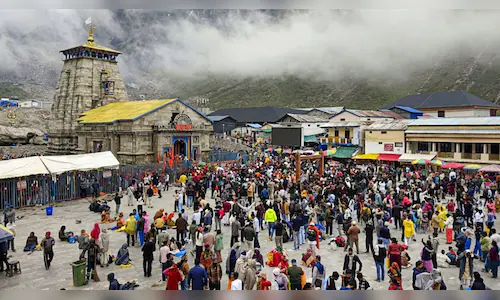
DEHRADUN — The ongoing Char Dham Yatra in Uttarakhand has achieved a major milestone, with the cumulative pilgrim footfall officially crossing 37 lakh.Data released by the State Emergency Operation Centre reveals that exactly 37,35,502 devotees visited the revered Himalayan shrines within the first 61 days of the pilgrimage season.This surge highlights the massive religious and economic scale of the yatra, even as state agencies rapidly pivot from managing massive dry-weather crowds to securing fragile mountain corridors against impending monsoon hazards.
The unprecedented seasonal volume underscores the continuous logistical challenge facing northern India’s infrastructure networks. While the economic influx has provided a major boost to regional hospitality, transport, and commercial businesses, it has simultaneously stretched emergency medical response, municipal sanitation, and highway safety frameworks to their absolute limits.
Kedarnath and Badrinath Lead Influx Statistics
According to the official statistical bulletin provided by regional administrative desks, the footfall distribution remains heavily concentrated toward the premier shrines of Kedarnath and Badrinath.Kedarnath Dham recorded the highest single-shrine volume, welcoming 12,61,397 visitors since its doors opened on April 22.Badrinath Dham followed closely, registering 11,67,460 pilgrims since its opening on April 23.
Shrine Name
Registered Pilgrim Footfall (First 61 Days)
Kedarnath Dham
12,61,397
Badrinath Dham
11,67,460
Gangotri Dham
6,17,427
Yamunotri Dham
5,83,759
Hemkund Sahib
1,05,459
The extreme concentration of travelers along the narrow, 16-to-18-kilometer high-altitude trekking tracks leading from Gaurikund to Kedarnath has prompted civil society groups and regional environmental foundations to recommend strict long-term carrying capacity metrics to prevent structural and environmental overload.
Health Vulnerabilities and Emergency Preparedness
Alongside the massive footfall, state medical records highlight the health risks of traveling to high altitudes.Official data from the State Emergency Operation Centre confirms that 198 fatalities have been recorded among devotees so far this season.Most of the deceased suffered from pre-existing heart disease, acute respiratory issues, severe diabetes, or unmanaged high blood pressure, which were worsened by low oxygen levels at high altitudes and strenuous physical exertion.
In response, the Uttarakhand Health Department has increased on-site medical screenings. Garhwal Commissioner Anand Swaroop stated that comprehensive security and medical arrangements have been deployed across 18 specialized holding areas along the primary transit corridors. These hubs feature dedicated water stations, public toilets, and emergency first-aid posts to stabilize travelers before they proceed further into the high-altitude zones.
Transitioning to Monsoon Safety Protocols
With the India Meteorological Department (IMD) predicting the monsoon's arrival in the state around June 22, the administrative challenges are shifting.The focus is moving away from managing standard queue volumes and parking shortages to protecting against active landslides, rockfalls, and flash floods.
The Public Works Department (PWD) has deployed heavy machinery, including JCB excavators and Poclain earthmovers, at known landslide-prone bottlenecks since June 15 to keep roads clear. Nodal officers have been assigned to 24-hour surveillance duties at high-risk zones. State officials are advising incoming pilgrims to monitor real-time weather forecasts, carry required waterproof equipment, and strictly follow local administrative orders to avoid unnecessary risks during heavy downpours.
Official Sources Section
The information, statistical inputs, and safety updates in this report are compiled directly from verified government records, including:
"The Char Dham Yatra is proceeding in full swing. So far, 50 lakh people have registered, and 35 lakh 66 thousand people had completed the pilgrimage by yesterday.While the numbers have dipped slightly compared to the initial rush, people are now able to have darshan comfortably and easily, and the pilgrimage is proceeding smoothly."
— Anand Swaroop, Garhwal Commissioner
Why It Matters
The massive turnout for the Char Dham Yatra highlights its dual importance as a major spiritual gathering and a key economic driver for the Himalayan region. However, reaching over 37 lakh visitors within two months emphasizes the urgent need for sustainable tourism policies. Balancing religious traditions with ecological preservation and strict safety protocols is essential to protect both vulnerable ecosystems and the lives of thousands of daily travelers.
Key Facts at a Glance
Milestone Reached: Total pilgrim footfall reached 37,35,502 within the first 61 days of the yatra.
Top Destination: Kedarnath Dham saw the highest individual turnout, with more than 12.61 lakh visitors.
Health Impact: The harsh high-altitude conditions contributed to 198 reported health-related fatalities, mostly due to pre-existing conditions.
Monsoon Response: The PWD has stationed heavy clearout machinery at key choke points ahead of expected seasonal rain disruptions.
FAQ Section
Q1: What is the total number of registrations recorded for the Char Dham Yatra so far? A1: Over 50 lakh individuals have formally registered via the online and offline state registration portals for the current pilgrimage season.
Q2: What are the main causes behind the pilgrim fatalities reported this season? A2: Most fatalities have been linked to pre-existing medical issues like cardiovascular disease, high blood pressure, and respiratory distress, which can worsen due to low oxygen levels during long mountain climbs.
Q3: What special precautions should pilgrims take during the monsoon phase? A3: Travelers are advised to check real-time weather updates, carry rain gear, warm clothes, flashlights, and essential medications, and strictly avoid traveling on closed or restricted routes.