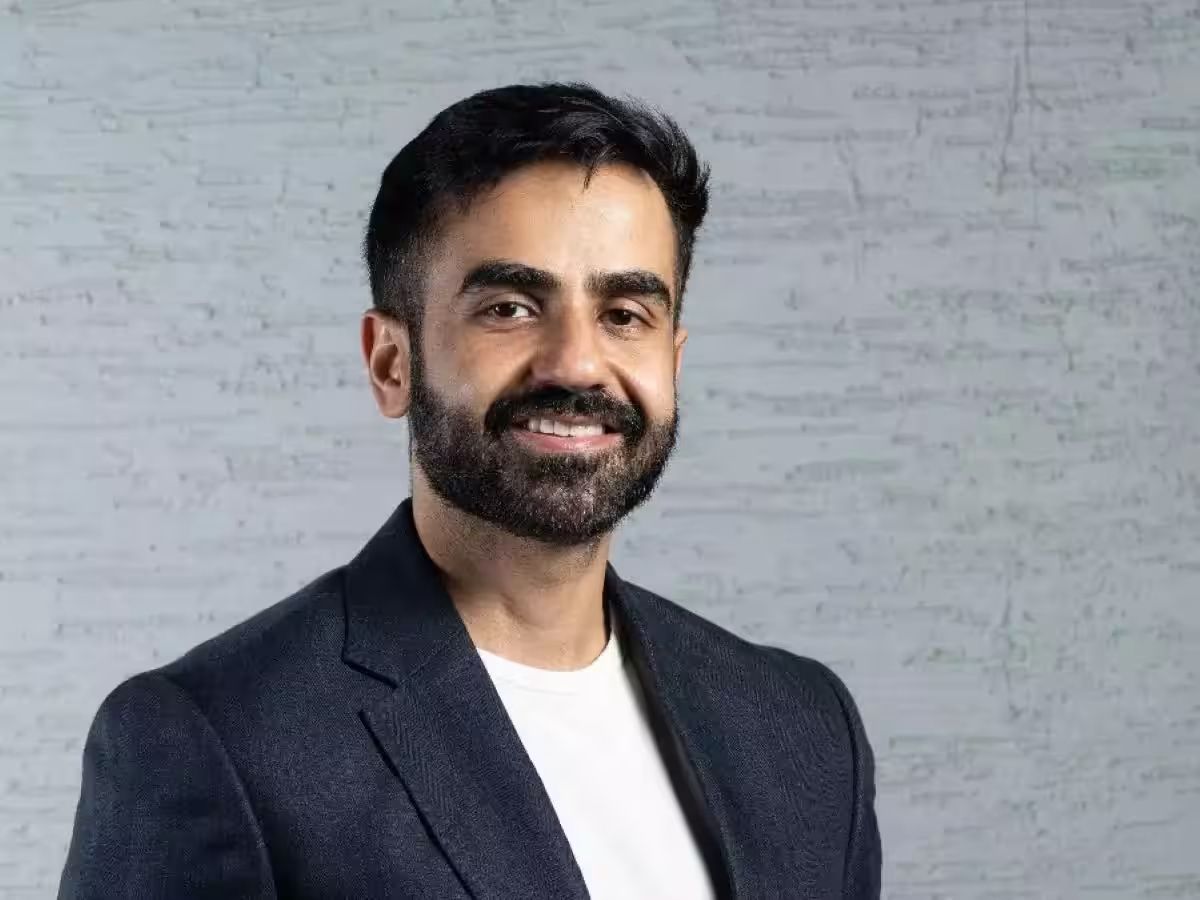
Investor and entrepreneur Nikhil Kamath explored cutting-edge battery technologies shaping India's manufacturing future on his People by WTF podcast. Joined by global energy executives Henning Rath and Kun Tang, Kamath examined critical material dependencies, sodium-ion alternatives, and the strategic importance of building an independent domestic energy storage ecosystem.
Backed by expert industry discussions in Bengaluru, policymakers and investors are evaluating alternative battery chemistries to secure the nation's clean energy independence.
Navigating India's Growing Energy Storage Demands
India's industrial and automotive sectors are entering a critical transformation phase centered around energy independence and advanced storage. According to official industry briefings and podcast disclosures released on August 12, 2026, entrepreneur and investor Nikhil Kamath hosted a comprehensive deep-dive into advanced battery technologies on his People by WTF platform.
Joined by Henning Rath, CEO of EnerVenue, and Kun Tang, Executive Chairman of HiNa Battery, the discussion focused on how India can navigate rising domestic demand—projected to quintuple to over 115 GWh by 2030—while avoiding heavy reliance on imported lithium cells and rare earth minerals.
Evaluating Alternative Chemistries and Safety Challenges
The panel addressed critical hurdles facing current lithium-iron-phosphate (LFP) batteries, notably the risks of "thermal runaway" and fire incidents reported globally. With over 14,000 LFP-related battery fires recorded worldwide in recent years, industry leaders stressed the necessity of diversifying into safer, multi-chemistry storage options:
Sodium-Ion Viability: Highlighted as a cost-effective alternative utilizing domestically accessible materials like sodium and iron, making it ideal for India’s massive two-wheeler and three-wheeler EV segments.
Nickel-Hydrogen Storage: Exploring water-electrolyte systems adapted from NASA aerospace tech, offering up to 30,000 charge cycles tailored specifically for stationary grid storage rather than passenger vehicles.
Solid-State Realities: Experts expressed cautious optimism, noting that solid-state successors to lithium remain largely in developmental phases and require significant commercial maturation.
Manufacturing Ecosystems: Emphasizing that building true domestic capability requires localized cell chemistry, robust recycling infrastructure, and integrated supply chains.
Why It Matters
The practical implications of transitioning to diverse battery chemistries affect electric vehicle manufacturers, renewable energy developers, and national energy security frameworks. By fostering local cell manufacturing and reducing reliance on concentrated global supply chains, India can insulate its growing green economy against external geopolitical shocks.
Key Facts at a Glance
Projected Demand: India's lithium-ion battery demand is expected to exceed 115 GWh by 2030.
Key Participants: Nikhil Kamath, Henning Rath (EnerVenue), and Kun Tang (HiNa Battery).
Core Focus: Sodium-ion adoption for two-wheelers, stationary nickel-hydrogen storage, and safety scrutiny of LFP batteries.
Strategic Goal: Building a domestic, self-reliant energy storage and recycling ecosystem.
FAQ Section
What was the primary focus of Nikhil Kamath's discussion on battery tech?
The conversation explored alternative battery chemistries, manufacturing economics, safety issues like thermal runaway, and how India can build an independent energy storage ecosystem.
Why are sodium-ion batteries considered promising for India?
Sodium-ion technology utilizes domestically available raw materials, costs significantly less than lithium, and is well-suited for India's expansive two-wheeler and three-wheeler electric vehicle markets.
What are the main limitations of current lithium-ion batteries?
Experts highlighted heavy reliance on imported critical minerals, supply chain vulnerabilities, and safety concerns regarding thermal runaway in LFP cells.
Where can audiences watch the full podcast episode?
The complete conversation is available for streaming on YouTube via the People by WTF Channel.
Source: PTI News, The Wire, Textile Value Chain, Urja Daily