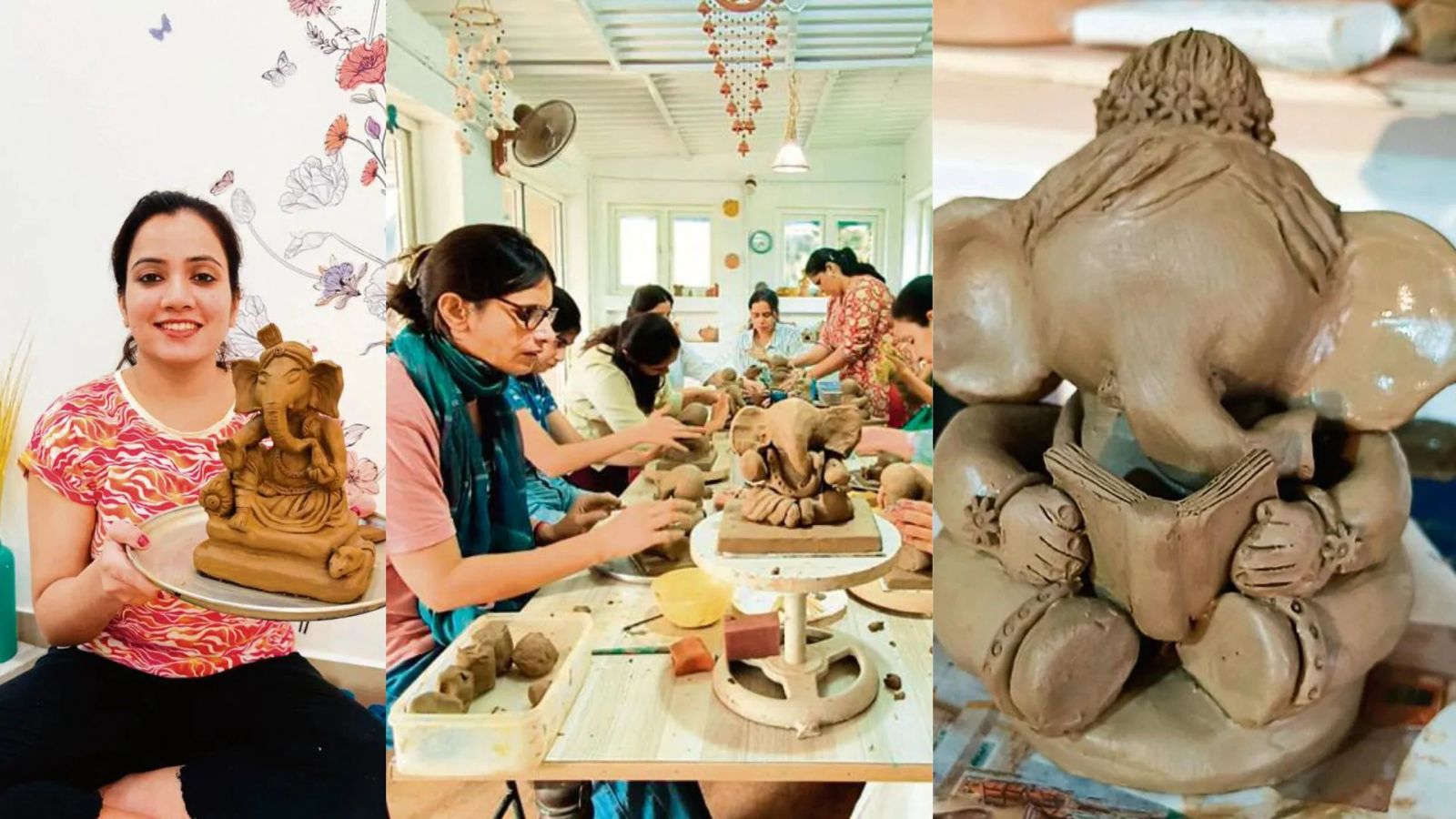
Residents across Delhi-NCR are embracing hands-on creativity ahead of Ganesh Chaturthi on September 14, 2026. Moving away from mass-market factory models, families and enthusiasts are flocking to local pottery studios and community workshops to sculpt and paint their own eco-friendly clay Ganesha idols, blending sustainability with personal devotion.
Backed by community studio announcements and cultural event organisers, capital residents are turning to hands-on pottery workshops to sculpt sustainable Ganesha statues ahead of the upcoming festival.
Embracing Personal Craftsmanship Ahead of Ganesh Chaturthi
As the capital prepares for the arrival of Ganesh Chaturthi on September 14, 2026, celebrations across Delhi, Noida, and Gurgaon are taking a deeply personal turn. According to announcements from cultural organizers and pottery studios released on August 22, 2026, a growing number of residents are bypassing commercial, ready-made statues in favor of hands-on idol-making workshops.
Rather than relying on store-bought options—which have historically included non-biodegradable Plaster of Paris (PoP) variants—families, corporate teams, and school groups are actively enrolling in interactive sculpting sessions. This shift highlights a broader urban movement toward sustainable celebrations and direct creative engagement with traditional festival art forms.
Studio Workshops and Sustainable Traditions
A diverse array of local artists and pottery spaces across the National Capital Region have structured specialized sessions to accommodate the surge in demand:
Terracotta and Raw Earth Sessions: Instructors guide participants through the step-by-step formation of clay figures, emphasizing that professional sculpting experience is entirely unnecessary to participate.
At-Your-Own-Pace Customization: Studios in Greater Noida and South Delhi are offering flexible multi-day slots, allowing creators to build larger 12-inch structures, manage drying periods safely, and apply intricate finishing details.
Family-Focused DIY Kits: Integrated home kits enable children and parents to collaborate on painting features, decorating turbans (sfas), and adding traditional ornamentation.
Environmental Responsibility: Organizers heavily stress the use of unbaked natural clay and water-based paints, ensuring that subsequent household immersion (visarjan) remains entirely safe for local water bodies.
Mukesh Kumar, a Delhi-based terracotta artist conducting seasonal workshops, noted that shaping an idol by hand fosters a unique bond of devotion that mass-produced alternatives simply cannot replicate. Similarly, studio leads like Shipra Goyal and Pooja Verma report near-capacity bookings as participants seek meaningful, interactive ways to welcome Lord Ganesha into their homes.
Why It Matters
The practical implications of this hands-on crafting trend extend directly to urban environmental conservation, community bonding, and the preservation of indigenous artisanal skills. By replacing non-biodegradable commercial purchases with home-sculpted clay figures, Delhi households are actively reducing local water pollution while transforming festive preparation into an engaging, mindful family tradition.
Key Facts at a Glance
Festival Date: Ganesh Chaturthi falls on Monday, September 14, 2026.
Primary Activity: Hands-on clay sculpting and painting workshops hosted across Delhi, Noida, and Greater Noida.
Environmental Focus: Exclusive use of natural, non-toxic clay and water-soluble materials to ensure safe immersion.
Participant Demographics: High engagement from families, school groups, and corporate team-building initiatives.
FAQ Section
Why are more Delhi residents opting to make their own Ganpati idols?
Participants are choosing hands-on workshops to experience a deeper connection to the festival, ensure their idols are 100% eco-friendly, and enjoy a creative family activity.
Are these workshops suitable for beginners with no prior sculpting experience?
Yes, local instructors emphasize that no artistic background or prior sculpting knowledge is required to participate in the studio sessions.
What materials are used in these eco-friendly workshops?
Workshops utilize natural, non-toxic river or terracotta clay along with water-based acrylic paints, avoiding harmful Plaster of Paris and synthetic chemicals.
Where can residents book idol-making workshop slots in Delhi-NCR?
Organized sessions are available across various studios, including Vasant Kunj, Noida Sector 21, and Greater Noida Sector 2, with detailed schedules published via Hindustan Times and local studio guides.
Source: Hindustan Times, Kraftykinni Crafts Portal, The Advitya