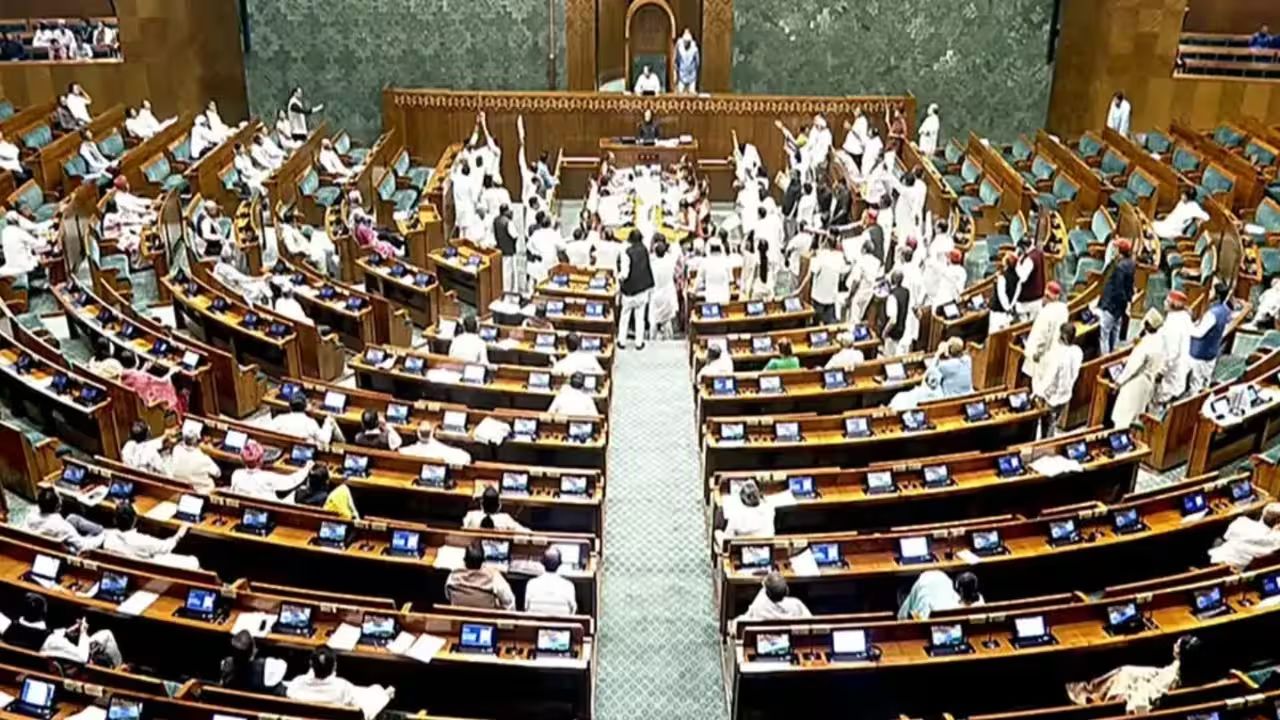
A new analysis by PRS Legislative Research reveals that 53% of all bills introduced in the 18th Lok Sabha have been passed in the same session. While showcasing high legislative efficiency, analysts warn that rapid same-session approvals reduce the time available for detailed scrutiny and stakeholder consultations.
Backed by independent parliamentary research data, more than half of all newly introduced bills are clearing both Houses within their inaugural session.
Accelerating Legislative Timelines in Parliament
The legislative pace within India's lower house has undergone a distinct structural transformation over recent years. According to a comprehensive data analysis released by PRS Legislative Research in August 2026, more than half of the bills introduced in the 18th Lok Sabha have been successfully passed by both Houses in the exact same session of their introduction.
Out of the 64 total bills introduced since the inception of the 18th Lok Sabha, 34 bills—representing 53 percent—completed their entire legislative passage without being carried over to subsequent parliamentary periods. This marks a notable acceleration compared to previous terms, reflecting shifting dynamics in how central legislative agendas are steered through Parliament.
Session-Wise Trends and Scrutiny Concerns
While the 18th Lok Sabha began at a relatively slow pace—with initial budget and winter sittings in 2024 leaving newly introduced bills pending—the passing velocity spiked sharply from 2025 onward. The trend reached its peak during the recent Monsoon Session, which concluded on August 13, 2026, where 11 out of 12 newly introduced bills were fully passed before the session was adjourned.
However, independent public policy groups have raised important procedural questions regarding the limited window for detailed examination:
Reduced Committee Review: Quick turnaround times shorten the window for parliamentary committees and independent stakeholders to review complex legal texts.
Limited Debate Duration: Data shows that several recent measures were cleared swiftly, with multiple bills passing in five minutes or less with minimal floor participation outside of the minister in charge.
Unlisted Legislative Additions: Reports highlight that several bills passed during recent sessions were not part of the government's original published legislative agenda.
Why It Matters
The practical implications of accelerated bill passages affect how thoroughly public policies, tax frameworks, and regulatory amendments are debated before becoming law. While rapid approvals enable the swift execution of government policy, legal experts and citizens alike rely on rigorous legislative scrutiny to ensure long-term regulatory clarity and accountability.
Key Facts at a Glance
Overall Metric: 53% of total bills introduced in the 18th Lok Sabha cleared both Houses in their introductory session.
Comparative Context: The proportion stood at 33% in the 16th Lok Sabha and approximately 62% in the 17th Lok Sabha.
Recent Peak: The Monsoon Session concluded with 11 out of 12 newly introduced bills passing before adjournment.
Research Body: Data compiled and verified by PRS Legislative Research.
FAQ Section
What percentage of bills have been passed in their introductory session in the 18th Lok Sabha?
According to PRS Legislative Research data, 53% of all bills introduced have completed their passage in the same session.
How does this compare to previous Lok Sabha terms?
During the 16th Lok Sabha, 33% of introduced bills were passed in the same session, while the 17th Lok Sabha recorded a figure of approximately 62%.
Why do policy experts express concern over rapid bill passages?
Independent analysts note that a minimal gap between introduction and passage reduces the time available for lawmakers and public stakeholders to examine legal texts and debate complex provisions.
Where can citizens access detailed session-wise tracking reports on Parliament?
Comprehensive legislative summaries and productivity statistics are published regularly by PRS Legislative Research.
Source: PRS Legislative Research Portal, The Hindu, The Times of India