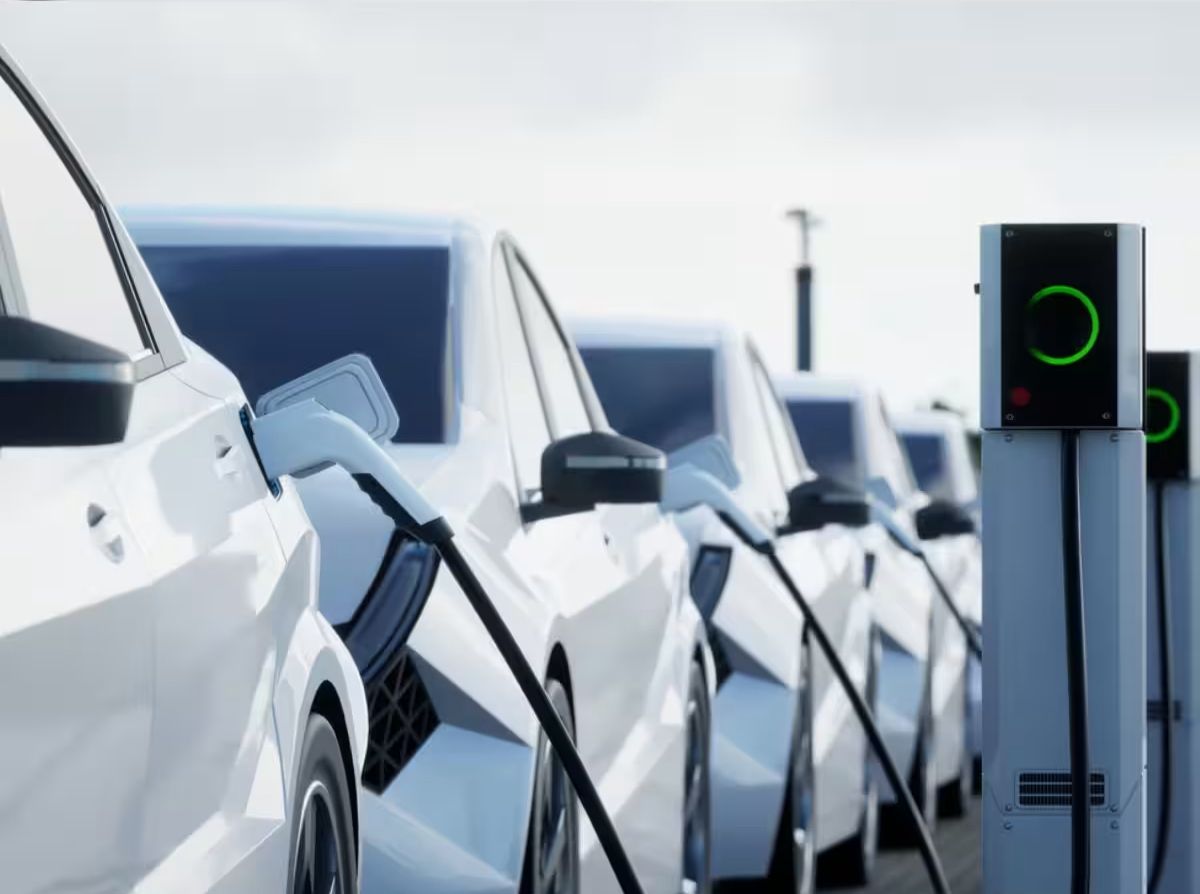
India’s electric vehicle market experienced a remarkable 51% year-over-year growth in August 2026, driven by robust consumer demand across electric cars and two-wheelers. According to official industry figures released in early September 2026, this significant expansion highlights accelerating nationwide adoption despite minor sequential volume adjustments.
Backed by official registration statistics, the nation's electric vehicle sector demonstrates sustained annual expansion across passenger and two-wheeler segments.
Signifying a profound transformation in consumer mobility preferences, India's electric vehicle (EV) market registered an impressive 51% year-over-year growth in August 2026. According to preliminary industry sales and registration data published in early September 2026, the widespread acceleration was propelled by sustained consumer appetite for electric passenger cars and electric two-wheelers (e-2Ws).
The latest figures underscore an expanding national manufacturing footprint, broader model availability across competitive price points, and active institutional support heading into the peak festive purchasing cycle.
Evaluating Segment Growth, Two-Wheeler Dominance, and Market Trends
Analyzing the sectoral performance metrics for August 2026 reveals critical insights into how individual categories contributed to the broader green energy milestone. According to official automotive registries and market tracking data, key highlights include:
Year-Over-Year Surge: Overall EV retail registrations surged by 51% compared to August 2025, reflecting continued consumer migration away from conventional internal combustion engines.
Electric Two-Wheeler Leadership: Powered by aggressive festive inventory deployments from major original equipment manufacturers (OEMs) such as TVS Motor and Bajaj Auto, e-2Ws continued to command the lion's share of total EV volume.
Passenger Vehicle Resilience: Electric car and SUV deliveries maintained strong yearly momentum, led consistently by established market leaders like Tata.ev alongside robust contributions from Mahindra and MG Motor.
Sequential Dynamics: While annual figures displayed massive gains, industry reports noted a modest 12% sequential adjustment compared to July's historic volumes, aligning with seasonal pre-festive inventory realignments.
Why It Matters
The practical implications of the 51% surge in August EV sales extend across environmental policy planning, automotive manufacturing investments, and everyday consumer economics. For everyday commuters, lower operating costs and extended government subsidy frameworks make transitioning to electric two-wheelers and passenger cars increasingly attractive. For businesses and investors, consistent double-digit annual growth validates long-term capital commitments toward localized battery manufacturing, charging networks, and advanced EV supply chains.
Key Facts at a Glance
Annual Growth Rate: 51% year-over-year surge in August 2026 EV sales.
Primary Growth Drivers: Strong adoption of electric two-wheelers and electric passenger cars.
Key Market Segments: Dominated by volume leaders in the e-2W sector (TVS, Bajaj, Ather) and e-4W sector (Tata.ev).
Sequential Trend: Minor 12% MoM adjustment observed following record-breaking mid-summer registrations.
FAQ Section
What caused India's EV sales to jump 51% in August 2026?
The surge was driven by robust consumer demand, wider availability of affordable models across price points, expanding dealership networks, and supportive government subsidy frameworks.
Which vehicle categories led the EV market growth?
Electric two-wheelers and electric passenger cars/SUVs spearheaded the growth, capturing the vast majority of retail registrations during the month.
How does August's performance compare to previous months?
While registering an impressive 51% increase over August 2025, monthly volumes experienced a minor 12% sequential adjustment compared to July's peak figures due to seasonal pre-festive stocking.
Where can official monthly vehicle registration data be accessed?
Detailed registration statistics and sector analyses are published regularly on industry financial portals and the Society of Indian Automobile Manufacturers (SIAM) Portal.
Source: The Economic Times, Auto Punditz, Society of Indian Automobile Manufacturers (SIAM), EV India Online