As India and China engage in high-level diplomatic exchanges, including Defence Minister Rajnath Singh’s recent visit to Qingdao for the SCO Defence Ministers’ Meeting, a parallel and more covert strategy is unfolding. China is simultaneously tightening trade levers on critical export...
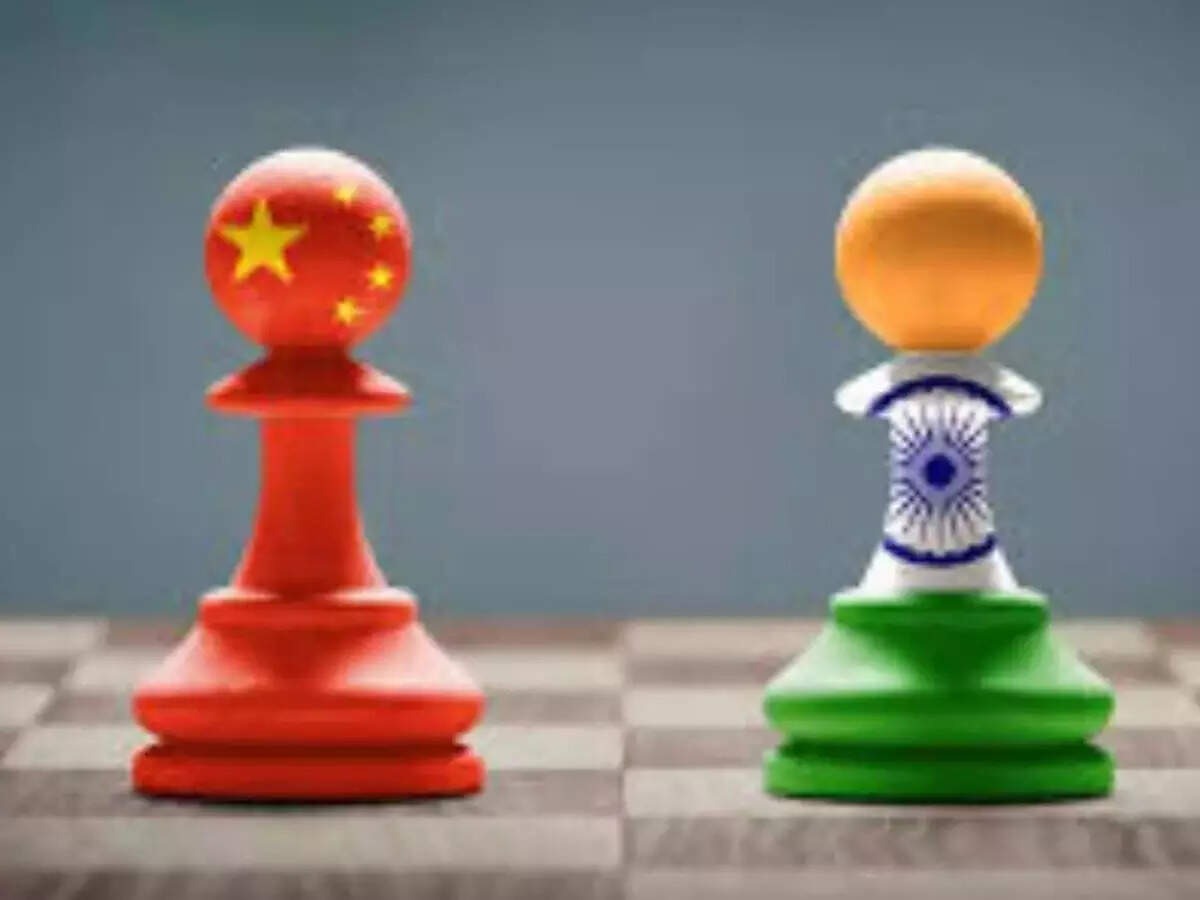
As India and China engage in high-level diplomatic exchanges, including Defence Minister Rajnath Singh’s recent visit to Qingdao for the SCO Defence Ministers’ Meeting, a parallel and more covert strategy is unfolding. China is simultaneously tightening trade levers on critical exports to India, revealing a calculated twin-track approach—one that blends overt engagement with subtle coercion.
Key Developments in the Twin-Track Playbook
- China has halted or delayed exports of rare earth magnets, specialty fertilisers, and tunnel boring machines (TBMs) to India
- These items are vital to India’s high-tech manufacturing, agriculture, and infrastructure sectors
- The export curbs come even as both nations publicly discuss normalising ties and resolving border tensions
- China cites technical reasons like customs inspections and domestic inflation control, but the pattern suggests strategic intent
Trade as a Tool of Strategic Leverage
- Rare earth magnets are essential for electric vehicles, wind turbines, and electronics—key pillars of India’s Make in India and PLI schemes
- Specialty fertilisers held at Chinese ports are disrupting India’s agricultural supply chain amid global food security concerns
- TBMs blocked from export are delaying the Mumbai–Ahmedabad high-speed rail corridor, a flagship project co-funded by Japan
- These actions serve as reminders of China’s dominance in global supply chains and its ability to exert pressure without formal sanctions
Geopolitical Messaging Behind Bureaucratic Moves
- Chinese customs authorities have invoked CIQ (entry–exit Inspection & Quarantine) protocols to justify delays
- However, insiders suggest these are bureaucratic tools used to avoid direct confrontation while signaling disapproval of India’s post-Galwan economic restrictions
- The export denials are targeted, consistent, and timed to impact sensitive sectors—indicating a deliberate geopolitical message
India’s Diplomatic Pushback
- At the SCO meeting, Rajnath Singh called for a permanent solution to the border standoff and emphasized rebuilding trust
- India refused to sign the SCO joint statement, citing the omission of the Pahalgam terror attack and the inclusion of language on Balochistan
- Intelligence sources say China and Pakistan attempted to use the SCO platform to corner India diplomatically, but India’s refusal disrupted that narrative
Why This Matters
China’s twin-track strategy underscores a broader shift in how global powers engage—where diplomacy is no longer confined to summits and statements, but extends into trade, technology, and multilateral forums. For India, the challenge lies in navigating this layered engagement while safeguarding strategic autonomy and economic resilience.
Sources: Economic Times, Indian Express, Business Standard, News18, MSN India, CNN-News18, PTI, Outlook India