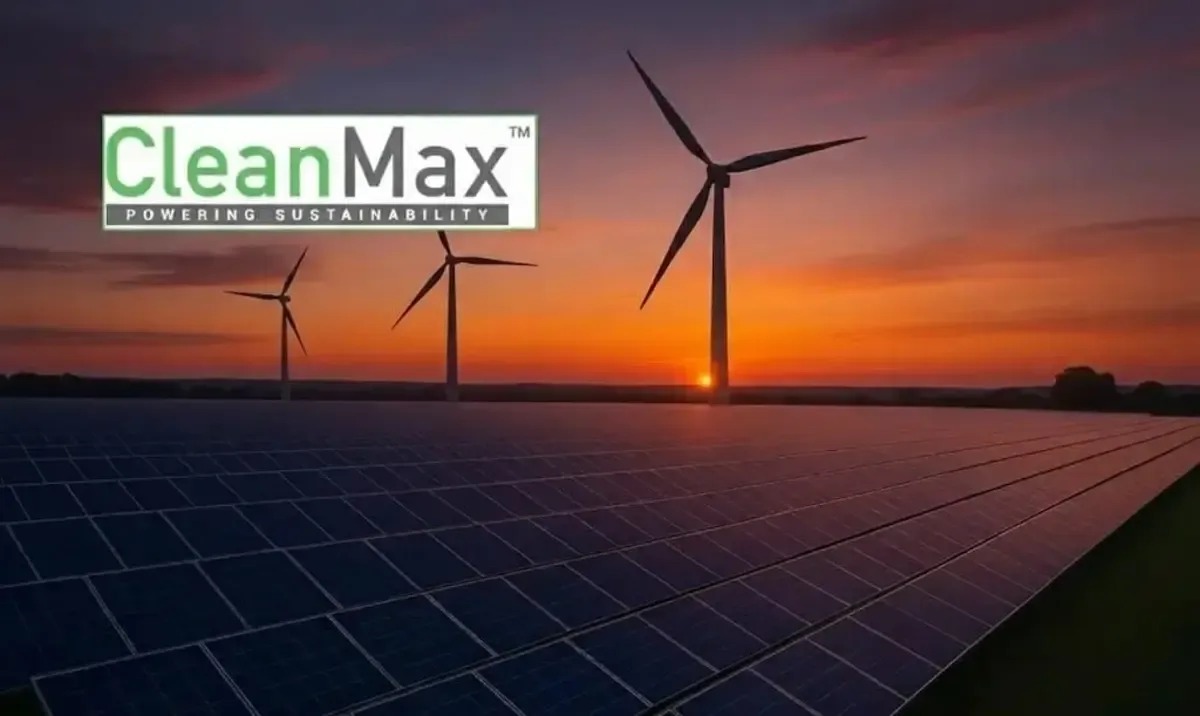
Clean Max Enviro Energy Solutions Limited has expanded its partnership with Meta Platforms, Inc. to support a ~900 MW renewable energy portfolio in India. CleanMax will develop and operate 837 MW of new solar and wind capacity across Rajasthan and Karnataka, supporting Meta's 100% clean energy goals for its digital infrastructure.
MUMBAI, India — Clean Max Enviro Energy Solutions Limited announced on Wednesday, June 10, 2026, a massive green energy partnership with tech giant Meta Platforms, Inc. to advance a combined ~900 megawatt (MW) renewable energy capacity portfolio in India. The deal centers on the development of hundreds of megawatts of brand-new green energy installations to help meet the growing grid demands of digital and artificial intelligence (AI) infrastructure.
Meta and CleanMax Expand Solar and Wind Grid Capacity
According to a formal regulatory filing submitted by CleanMax to the National Stock Exchange of India (NSE) and BSE Limited, the corporate agreement will directly support the creation of 837 MW of fresh solar and wind generation capacity. This newly contracted pipeline spans multiple utility-scale hybrid projects strategically located across the resource-rich states of Rajasthan and Karnataka.
When combined with previously operational decentralized projects developed between the two companies, the cumulative portfolio of the partnership crosses the ~900 MW milestone. CleanMax will retain full responsibility for developing, commissioning, and operating the physical plants, while Meta will purchase 100% of the environmental attributes—such as renewable energy certificates—generated by the clean power assets.
Powering the Next Wave of Digital and AI Infrastructure
The massive scale of the agreement underscores a shifting trend in corporate energy procurement. Technology multinationals are facing unprecedented surges in base electricity demand due to the global rollout of massive data center clusters required to process AI and hyperscale cloud systems.
The joint initiative will supply zero-emission power directly into India's regional electricity grids, helping decarbonize the country's utility network while balancing Meta's expanding corporate footprint in the South Asian market. Meta, which operates Facebook, Instagram, WhatsApp, and Threads, has committed to matching its global corporate power consumption with 100% clean, renewable energy while actively tackling scope 3 value chain emissions.
Economic and Industrial Footprint Across Key States
The roll-out of 837 MW of new projects delivers clear structural benefits to the domestic renewable energy sector:
Regional Investments: The physical installations will drive capital expenditure and clean energy jobs into rural corridors of Rajasthan (optimized for solar yields) and Karnataka (optimized for wind patterns).
Grid Stabilization: By combining solar and wind assets into hybrid frameworks, the projects can inject a more reliable, smoother baseload supply into the national grid compared to standalone installations.
Corporate Standard Setting: The transaction uses a Virtual Power Purchase Agreement (VPPA) structure, establishing a clear template for other large enterprise consumers looking to deploy commercial capital toward corporate decarbonization goals in India.
Official Statements and Corporate Alignment
In a joint corporate notice, executives from both companies emphasized that building large-scale green infrastructure is essential to support the next generation of digital infrastructure.
"Meta connects billions of people every day through platforms such as Facebook, Instagram, WhatsApp and Threads while helping shape the future of digital and AI infrastructure. We are thrilled to partner with Meta," stated Kuldeep Jain, Founder and Managing Director of Clean Max Enviro Energy Solutions Limited, in the official release. "Every generation builds infrastructure that defines its future. For us, that infrastructure is increasingly digital, AI-driven and interconnected. It must also be powered by clean energy."
Amanda Yang, Head of Clean and Renewable Energy at Meta, added that these agreements represent meaningful, concrete progress toward fulfilling the company's long-term sustainability mandates in key international operational hubs.
Why It Matters
The partnership signals a mature phase for India's Commercial and Industrial (C&I) open-access market. Historically, clean energy procurement was limited to small-scale rooftop solar setups for factories. This ~900 MW portfolio proves that global technology giants are now utilizing institutional-scale Indian infrastructure developers to meet massive clean energy targets, directly financing new generation capacity without relying on traditional state subsidy models.
Key Facts at a Glance
Total Portfolio: The partnership encompasses more than 900 MW of green capacity, bolstered by a fresh 837 MW development agreement.
Geographic Focus: The commercial utility-scale wind and solar installations will be built across Rajasthan and Karnataka.
Environmental Attributes: Meta secures 100% of the green attributes from the newly developed capacity to offset its regional value chain footprint.
Developer Role: CleanMax will act as the long-term owner-operator of the green power installations.
Frequently Asked Questions
What is the primary objective of the CleanMax and Meta partnership?
The agreement establishes a ~900 MW renewable portfolio in India. CleanMax will construct and operate 837 MW of new solar and wind projects to feed clean energy into the power grid, while Meta buys the environmental attributes to match its digital operational consumption.
Where will the new renewable energy projects be constructed?
The utility-scale generation projects will be distributed across the states of Rajasthan and Karnataka to leverage optimal regional solar irradiance and wind conditions.
How does this impact everyday consumers and internet users in India?
While day-to-day app performance stays unchanged, the deal ensures that the massive data networks powering local Facebook, WhatsApp, and AI interactions are actively backed by fresh, non-polluting generation capacity added directly to the Indian power grid.
Source: Official corporate partnership statement and regulatory filing distributed via the National Stock Exchange of India (NSE) and BSE Limited.