Global critical mineral demand will surge through 2040, driven by electric vehicles and renewable power grids, according to the IEA. Meeting future demand requires over $750 billion in mining investments. However, persistent supply deficits for copper and lithium, combined with extreme refining concentration in China, threaten global energy security.
Global critical mineral demand is set to surge rapidly through 2040, driven by the accelerating deployment of electric vehicles, battery energy storage systems, renewable energy installations, and power grid expansions. However, key supply deficits—particularly for copper, lithium, and cobalt—are expected to persist well into the next decade unless substantial new investment is mobilized, according to the International Energy Agency (IEA) in its latest market outlook published on August 1, 2026. The agency cautioned that while mining announcements have expanded, heavy geographical concentration in downstream refining presents a major vulnerability for global energy security.
$750 Billion Investment Needed to Prevent Energy Transition Bottlenecks
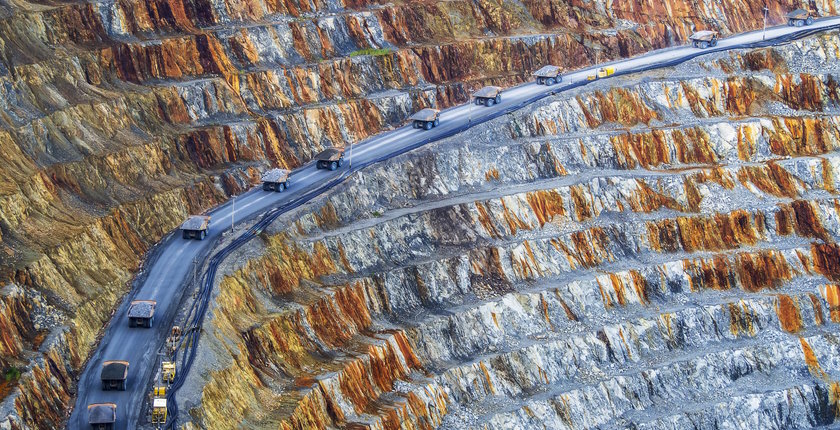
Meeting the world's long-term energy goals under the IEA's Stated Policies Scenario (STEPS) will require more than $750 billion in cumulative capital expenditure for mineral mining and refining between now and 2040. The analysis reveals that copper mining and processing will demand the largest outlay at approximately $310 billion, followed by nickel development requiring $280 billion.
The report projects that overall critical mineral demand under current policy settings will nearly double by 2040. Among individual transition materials, lithium experiences the steepest demand acceleration, expanding by more than three times its current consumption level by 2040. Demand for graphite is projected to double, while nickel requirements will grow by 65 percent and rare earth elements by roughly 50 percent. Copper—essential for power transmission lines, EV motors, and industrial electrification—is set to see demand grow by over 25 percent, adding 7 million tonnes of annual consumption by 2040.
Despite an expanding pipeline of primary mining projects, the agency highlighted that supply gaps for copper and lithium could persist through 2035. Furthermore, a significant supply gap has emerged for cobalt, primarily driven by export quotas introduced by the Democratic Republic of the Congo, the world's dominant cobalt producer.
Downstream Concentration in Refining Creates Severe Vulnerabilities
The IEA report highlights that while raw mineral extraction is becoming more geographically diverse, downstream refining and chemical processing remain dangerously concentrated in a single nation. China currently controls nearly 50 percent of global copper refining, 70 percent of lithium refining, 75 percent of cobalt processing, 85 percent of magnet rare-earth separation, and more than 90 percent of battery-grade graphite production.
This systemic imbalance creates severe operational bottlenecks even when new mining capacity comes online globally. While project pipelines outside dominant supply hubs indicate notable increases in lithium and graphite mining, corresponding planned capacity for refining, smelting, and cathode manufacturing remains disproportionately small.
Secondary supply through recycling is expected to play an increasingly critical role in filling these supply deficits. Under STEPS projections, recycled materials could double their overall share of supply, elevating average recycling rates from 10 percent today to nearly 20 percent by 2040.
Market Impact Across Global Industries and Consumers
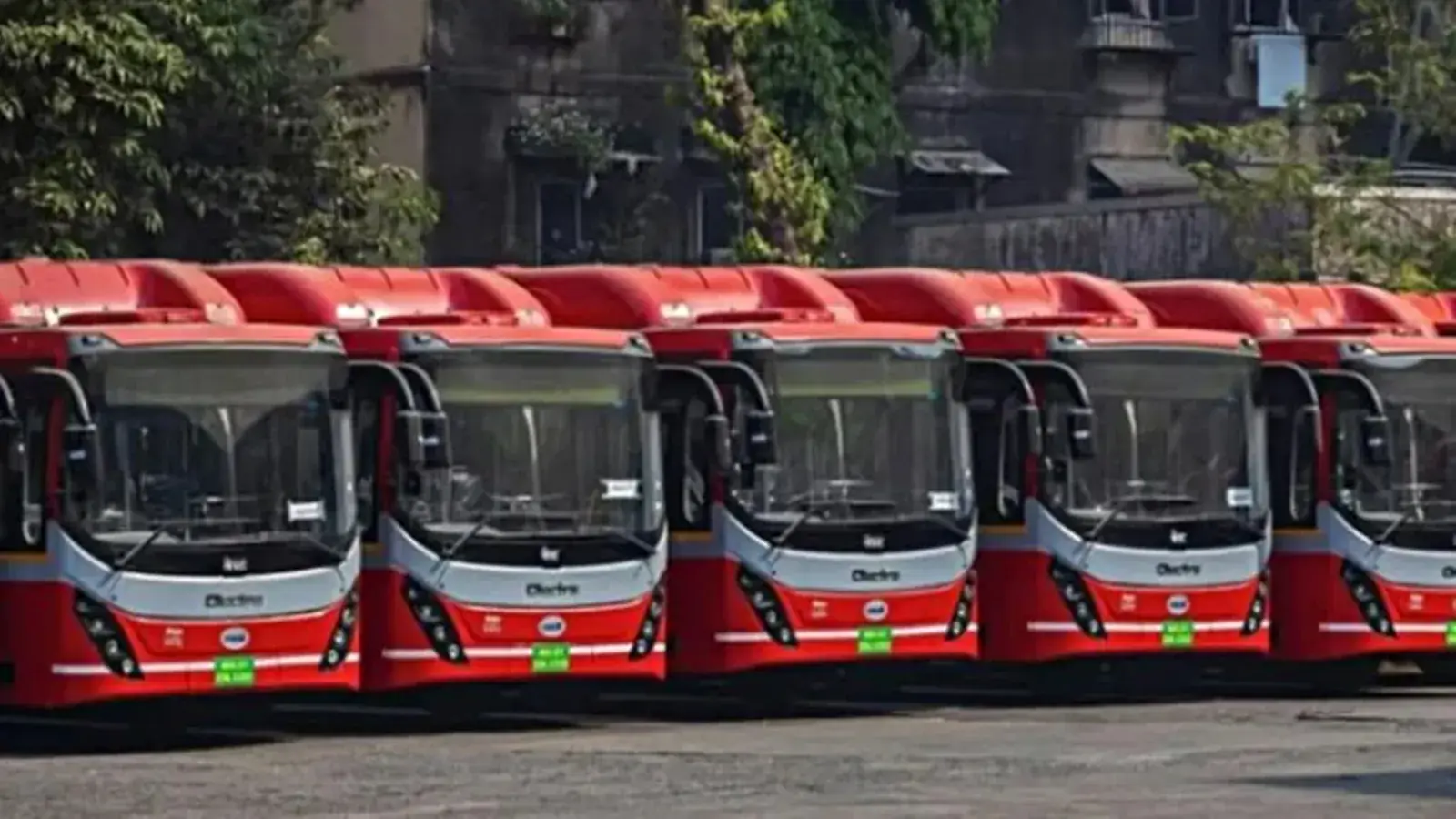
For Technology and Automotive Manufacturers: Automakers expanding electric vehicle production face persistent cost volatility for lithium-ion battery packs if refining capacity fails to keep pace with mining output.
For Power Utilities and Infrastructure Developers: Grid operators and renewable energy developers face potential project delays and cost inflation due to tight copper supply balances.
For Investors and Mining Corporations: The required $750 billion capital commitment creates significant long-term growth opportunities in copper, nickel, and battery metals mining, particularly for entities building integrated refining capacity in North America, Europe, and India.
Official Sources Section
According to official releases, analytical models, and public briefings provided by the International Energy Agency (IEA):
Projections are based on the IEA Global Critical Minerals Outlook 2026, incorporating the Stated Policies Scenario (STEPS) and Net Zero Emissions by 2050 Scenario (NZE).
Capital expenditure requirements were calculated using project pipeline databases across 1,500 active and planned global extraction facilities.
Market concentration data was verified against trade filings and national geological survey reports.
Industry Statements and Official Quotes
In official statements accompanying the report publication:
According to officials at the International Energy Agency:
"While project announcements signal progress in raw extraction, the persistent imbalance between upstream mining and midstream processing threatens the stability of clean energy supply chains. Timely policy interventions to de-risk private investment, streamline permitting, and scale domestic refining and recycling are essential to building resilient energy systems."
Why It Matters
The transition from fossil fuels to clean energy represents a shift from a fuel-intensive to a material-intensive energy system. Long-term shortfalls in critical mineral demand satisfaction could delay power grid modernizations, elevate electric vehicle manufacturing costs, and jeopardize international carbon reduction targets. Securing diversified, ethically sourced, and locally processed minerals is now a paramount economic and national security priority for governments worldwide.
Key Facts at a Glance
$750+ Billion Investment: Total mining and refining capital required by 2040 to satisfy expanding global clean energy deployment.
Extreme Lithium Growth: Critical mineral demand for lithium is projected to more than triple by 2040 under current policy trajectories.
Refining Monopoly Risks: China maintains control over 70% to 90% of global refining capacity for lithium, cobalt, graphite, and rare earths.
Recycling Expansion: Secondary recycled sources are projected to meet up to 20% of global critical mineral needs by 2040.
Frequently Asked Questions (FAQ)
Why is critical mineral demand expected to surge through 2040?
Critical mineral demand is rising rapidly due to massive global investments in electric vehicles, grid-scale battery storage, solar and wind power installations, and high-voltage transmission lines.
Which minerals face the most severe supply gaps?
Copper and lithium face persistent supply deficits through at least 2035, while cobalt supply has tightened significantly following export restrictions in the Democratic Republic of the Congo.
Why is downstream processing a bigger risk than mining?
While new mines are opening across diverse regions, high-value refining and chemical processing remain heavily concentrated in China, creating potential supply bottlenecks during geopolitical or trade disruptions.
How much investment is needed to secure mineral supply chains?
The IEA estimates that over $750 billion in global capital investment in mining and refining is necessary by 2040 to avoid structural shortages.
Source: Official market reports released by the International Energy Agency, analysis from the IEA Global Critical Minerals Outlook 2026, and economic bulletins from ANI News.